
Talking Christian Nationalism in Scotland

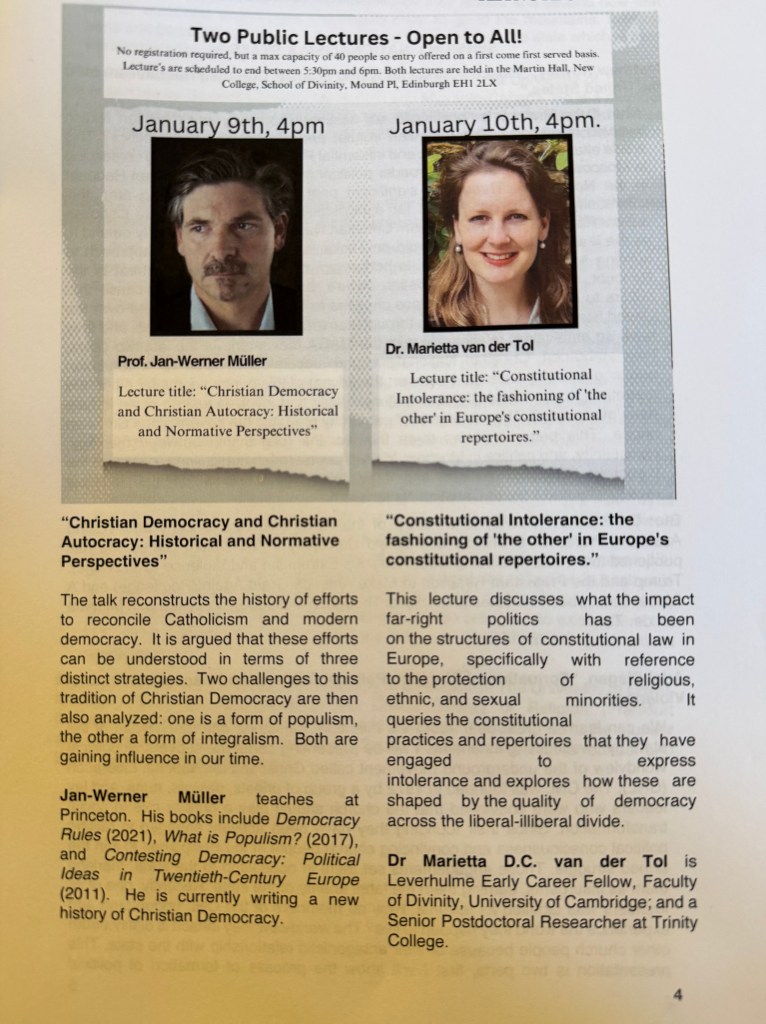
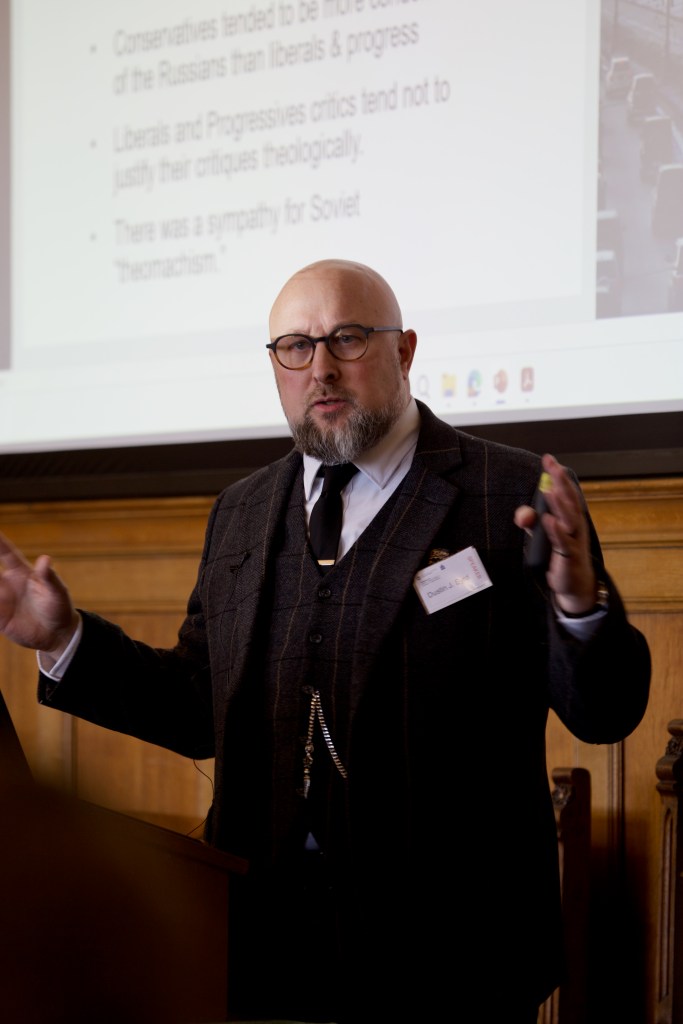
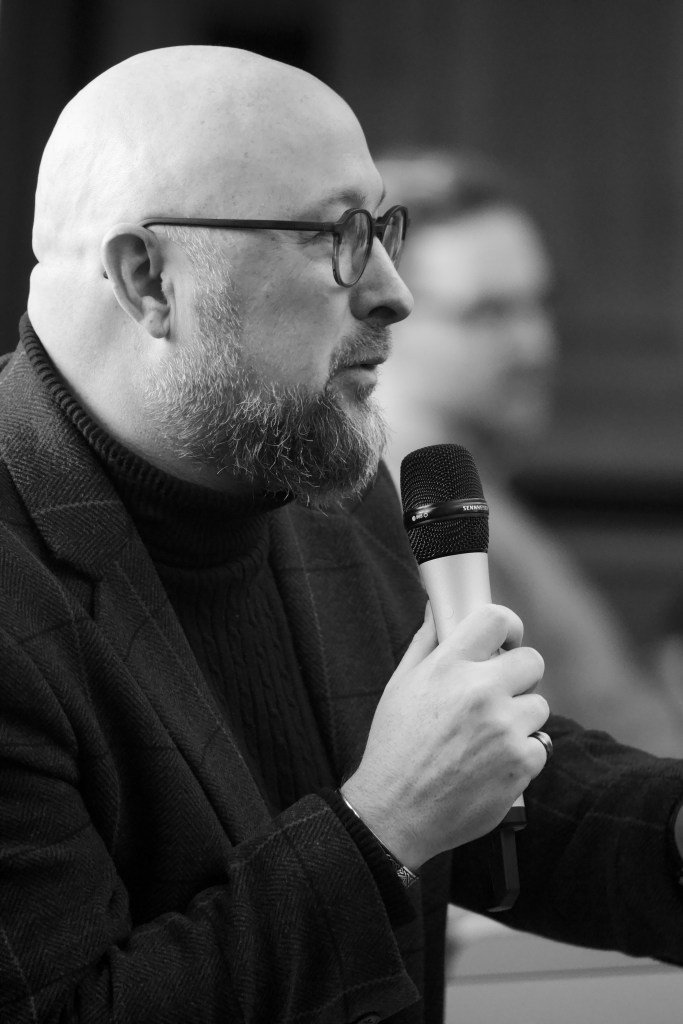
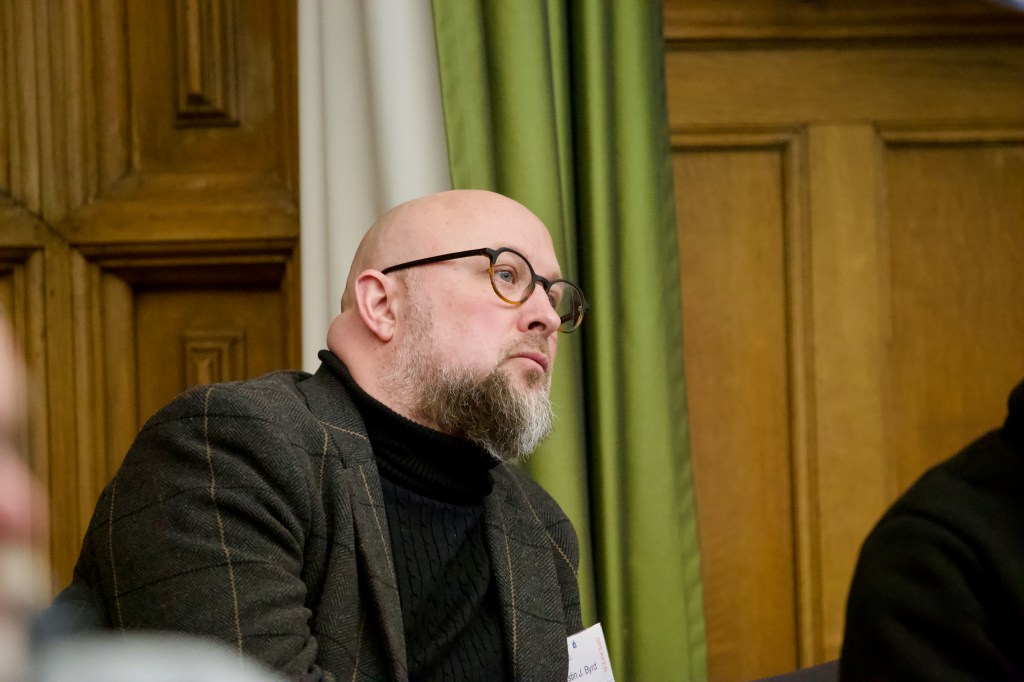
On January 9th and 10th, I had the wonderful opportunity to participate in the “Whose Christianity Anyway: Theological Contestations in the Public and Political” conference at New College, School of Divinity, University of Edinburgh in Scotland. My presentation was entitled, “From the Cold War to the Warm Embrace: Russian Church-State Symphonia as a Template for the Re-Christianization of the United States.” The presentation sparked an excellent conversation about the nature of Christian Nationalism, why in particular the Russian model of “Symphonia” appeals to American Christian Nationalists, and the important differences between American Christian Nationalists and the Russian Orthodox Church. Our two keynote speakers, Jan-Werner Müller (Princeton) and Mariëtta van der Tol (Cambridge), gave very insightful presentations. A big thank you goes out to Thiu Elias and Stephen Dolan for all their hard work organizing the conference, and The University of Olivet for their financial support.

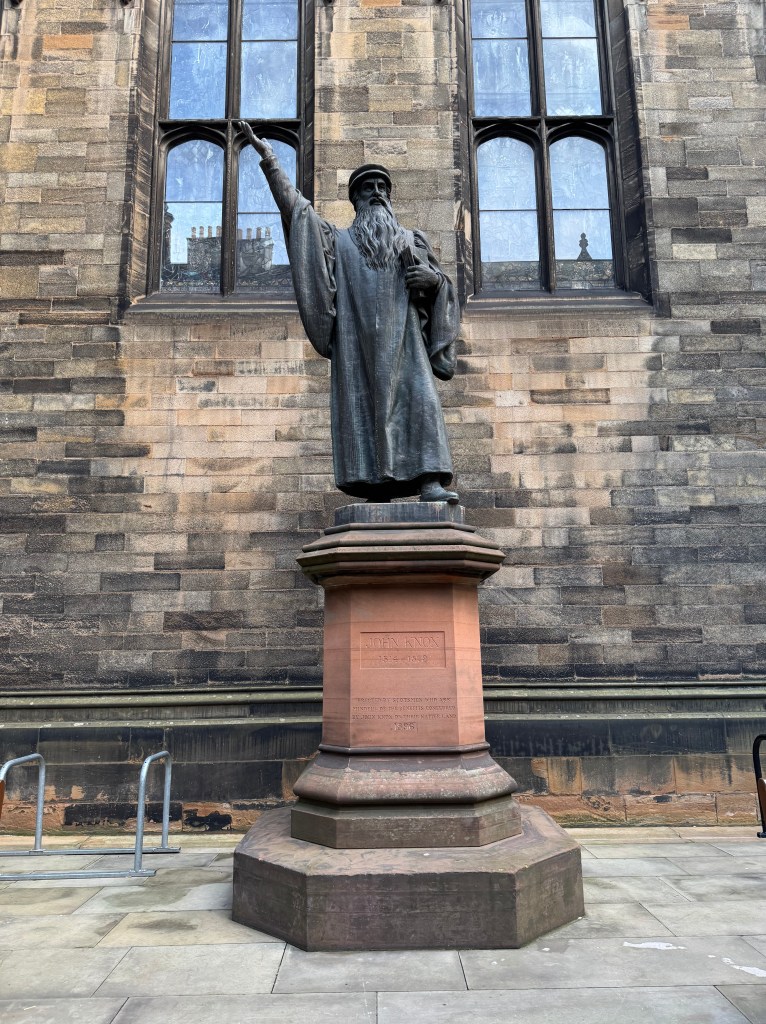
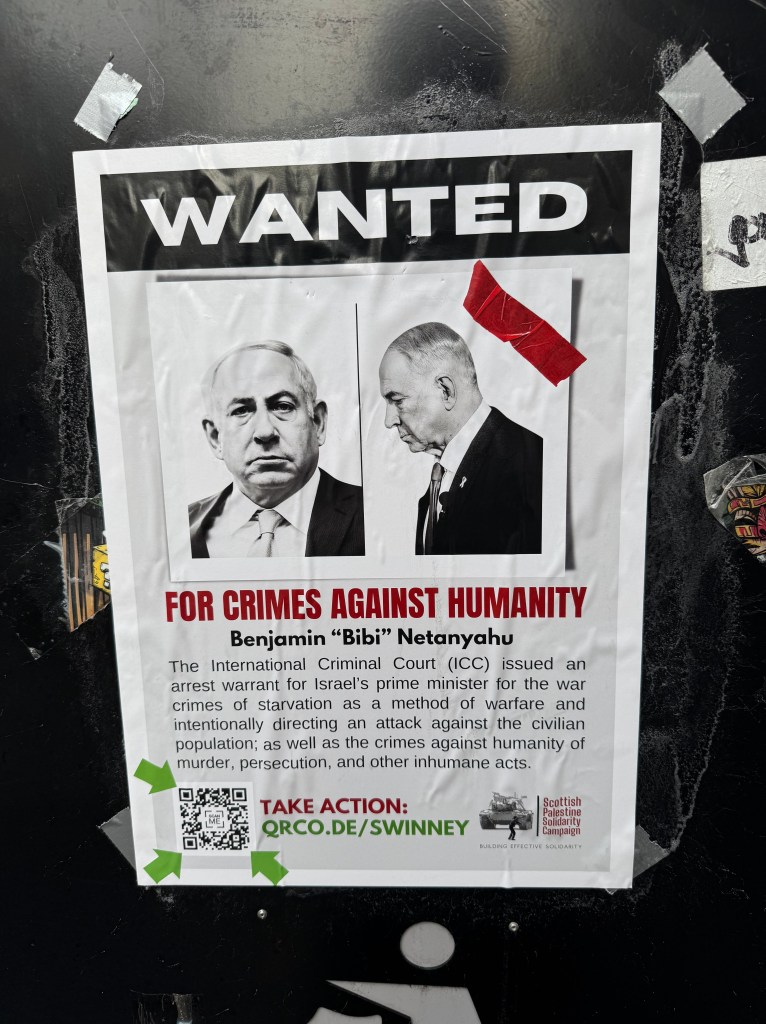
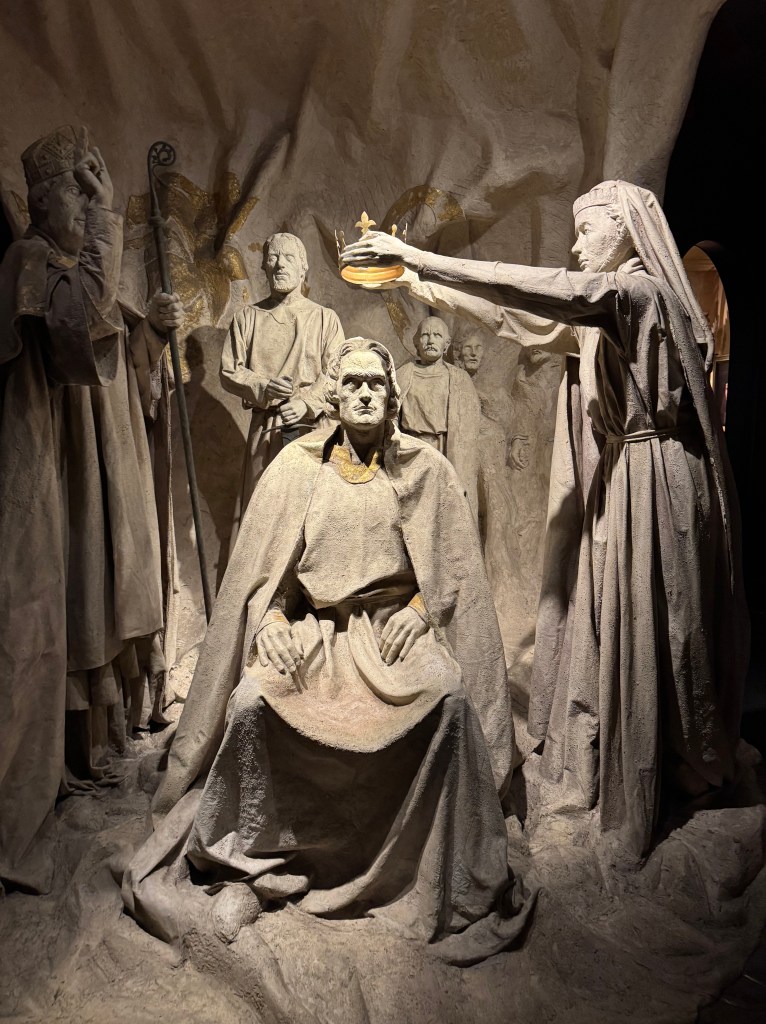
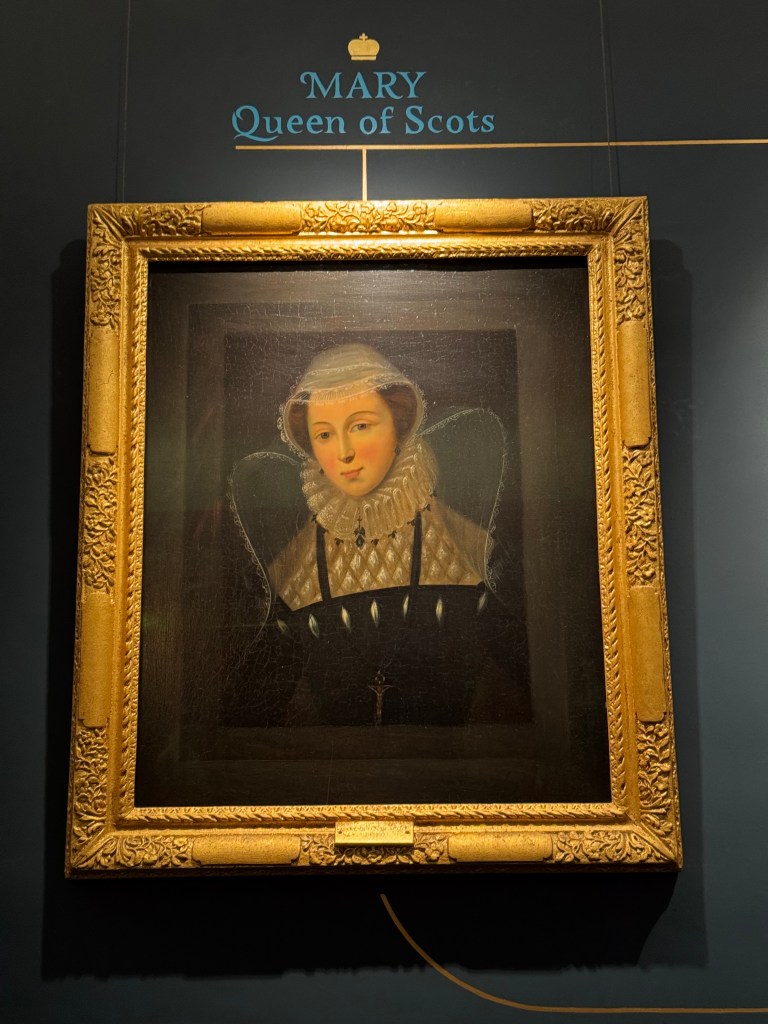
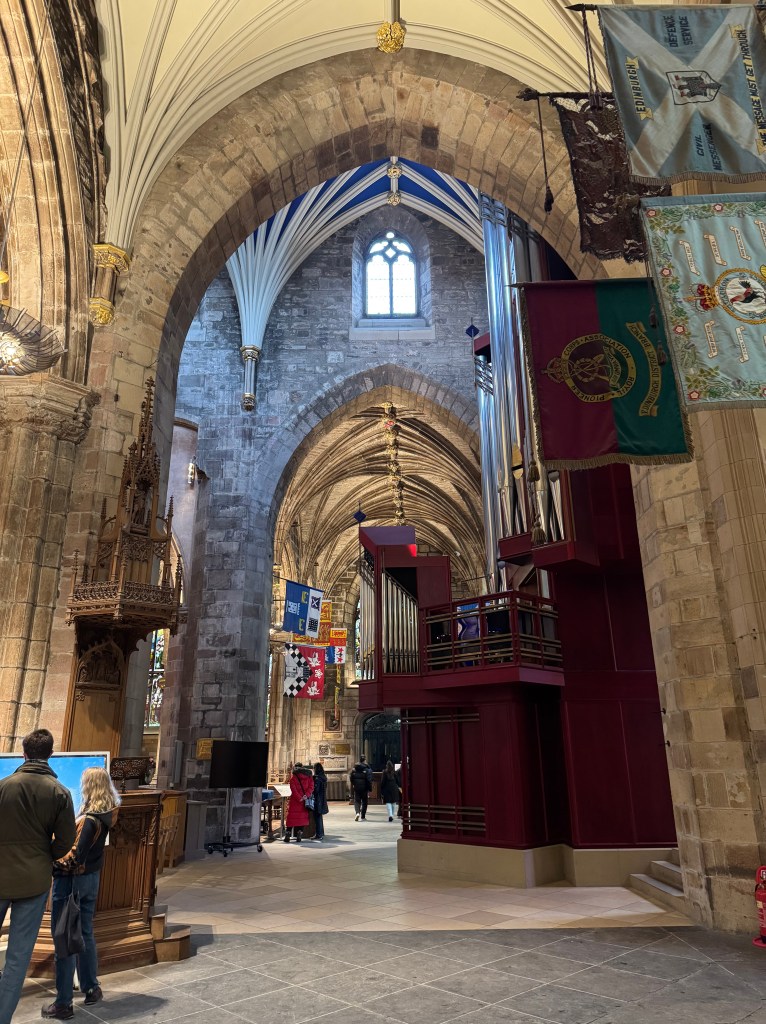
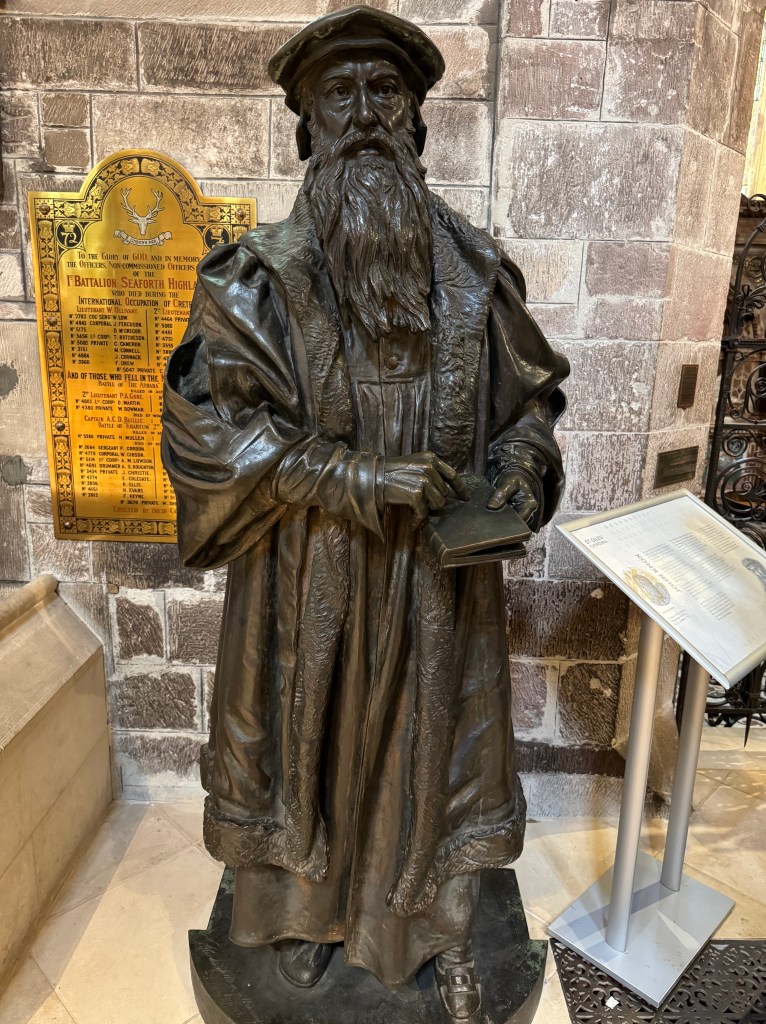
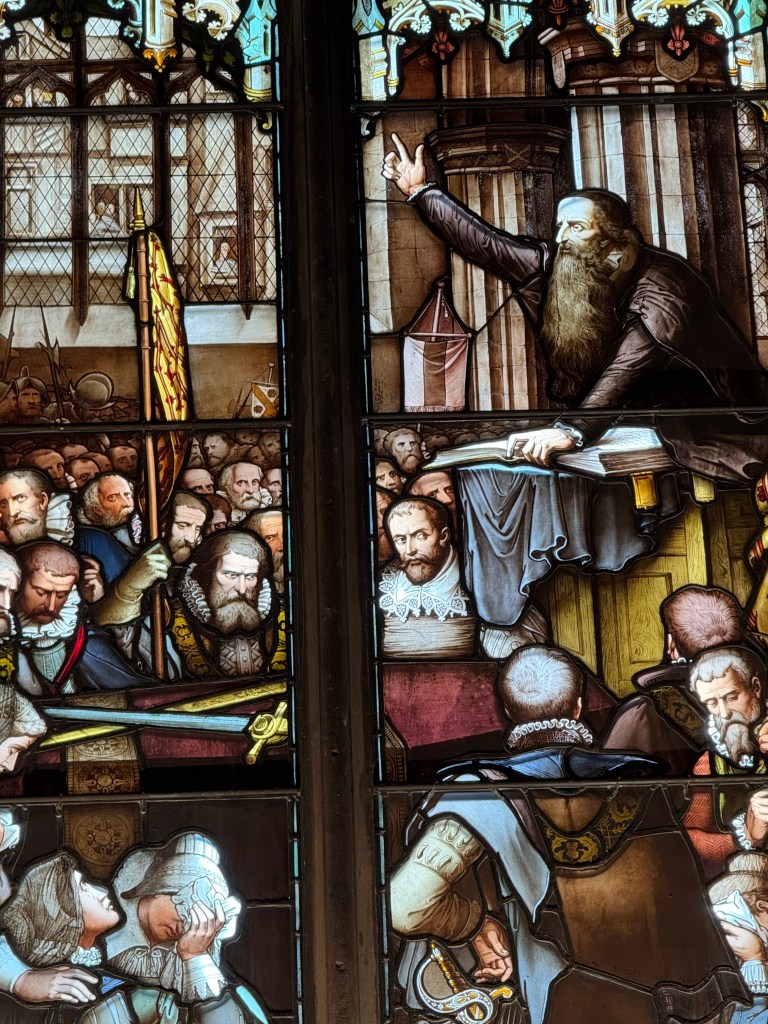
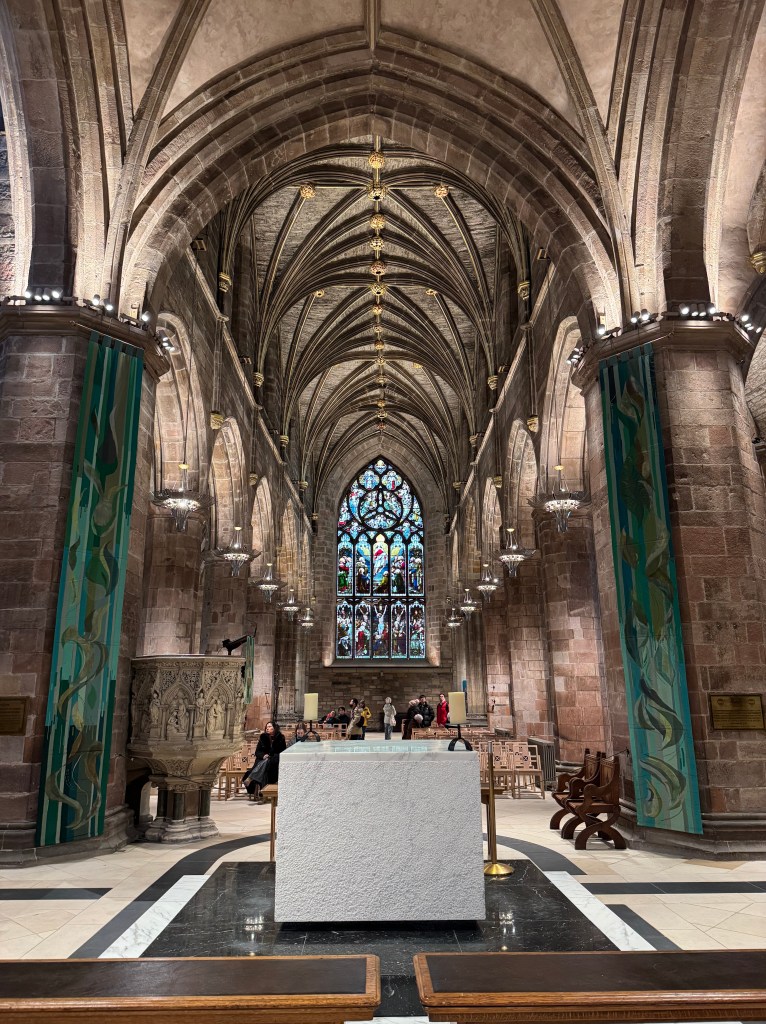
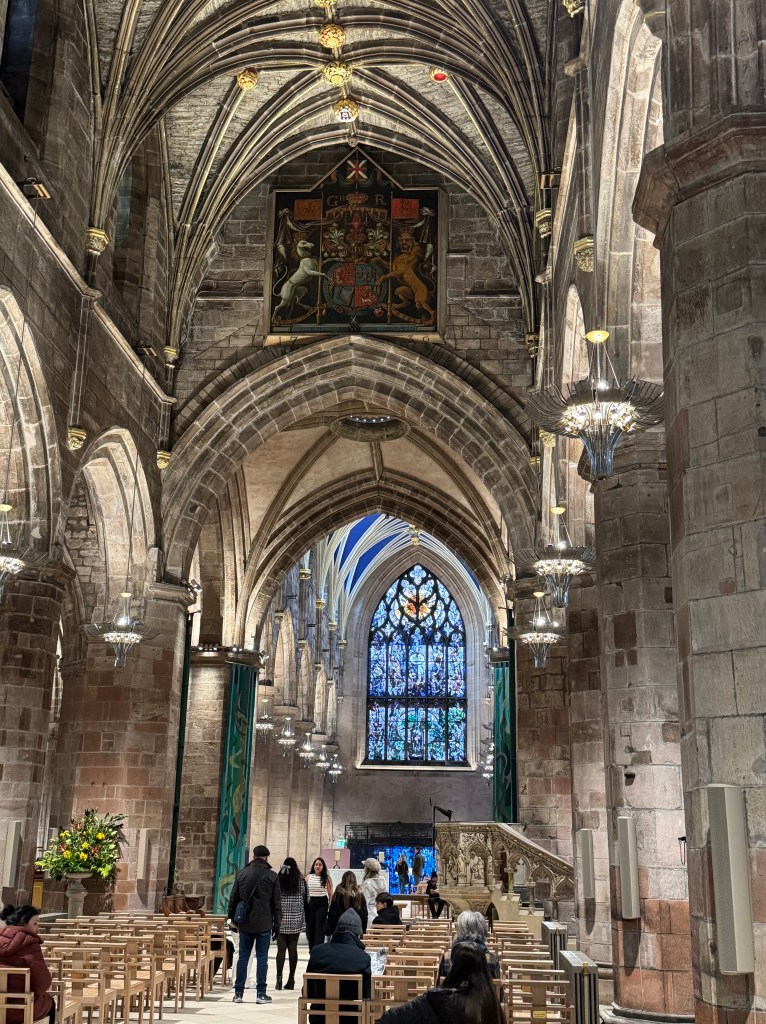
On the 11th of January, I was able to spend some time in Edinburgh as a simple American tourist, seeing numerous important landmarks, such as the Edinburgh castle, Victoria Street, Greyfriars Church and Kirkyard, and St. Giles Cathedral (where old fuss-and-feathers John Knox preached). Below are some pictures from the journey.

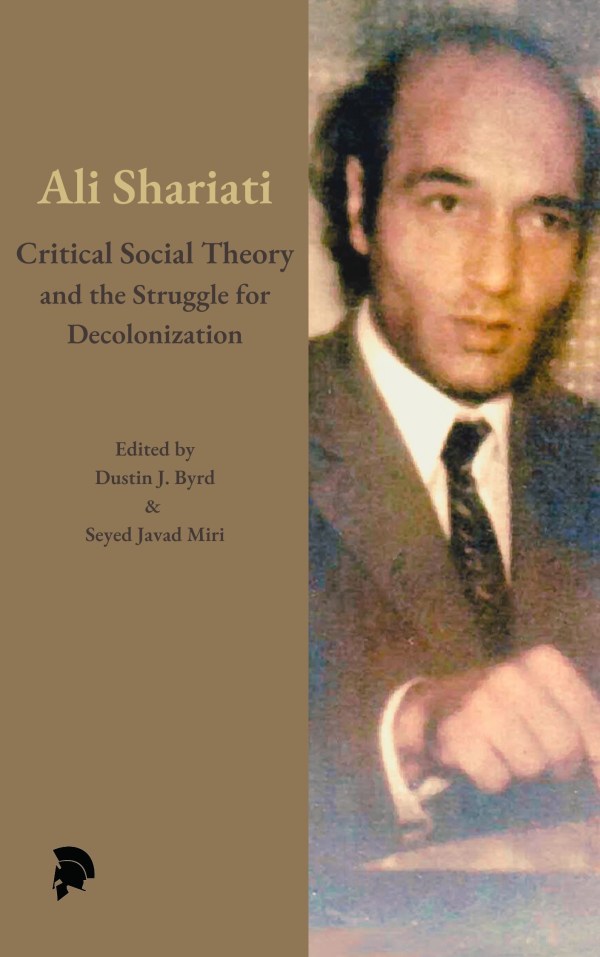
NOW AVAILABLE: Ali Shariati: Critical Social Theory and the Struggle for Decolonization

Ali Shariati: Critical Social Theory and the Struggle for Decolonization, edited by Dustin J. Byrd and Seyed Javad Miri
Ali Shariati (1933-1977) is best known as a “revolutionary theorist,” closely connected to Iran’s Islamic Revolution of 1979. While his social, political, and religious thought was deeply influential in those turbulent times, Shariati was much more than a political ideologue. A scholar of religion, philosophy, and sociology, Shariati was fluent both in Western and Islamic thought, which allowed him to create some of the most penetrating “critical” thought in the 20th century, applicable to both the West and the dār al-Islām. While he remains controversial inside his home country, his influence has grown beyond its borders. Today, contemporary theorists are returning to Shariati’s written works, seeing his voluminous writing as a precursor to the decolonization movement, which seeks to emancipate the non-Western world from the vestiges of Western colonial domination. In many ways, Shariati laid the foundation for such emancipatory work through his own struggle against the Shah of Iran and the clerical establishment that supported the status quo. This collection of essays returns to a variety of the Shariati’s core concepts, as it seeks to interrogate them, revitalize them, and engage our own age of strife through these Shariatian perspectives.

Contributors: Dustin J. Byrd, Seyed Javad Miri, Joseph Alagha, Esmaeil Zeiny, Vahideh Sadeghi, Bijan Abdolkarimi, Raewyn Connell, Carimo Mohomed, Tanveer Azamat, Teo Lee Ken, Milad Dokhanchi, Fatemeh Shayan, Ali S. Harfouch, M.S. Kolbadi, and Mohammad Masud Noruzi.

Available on the Ekpyrosis Press website: Ali Shariati

Available on Amazon (US): Ali Shariati

Available through Lulu (US & International): Ali Shariati

Blog at WordPress.com.

Up ↑