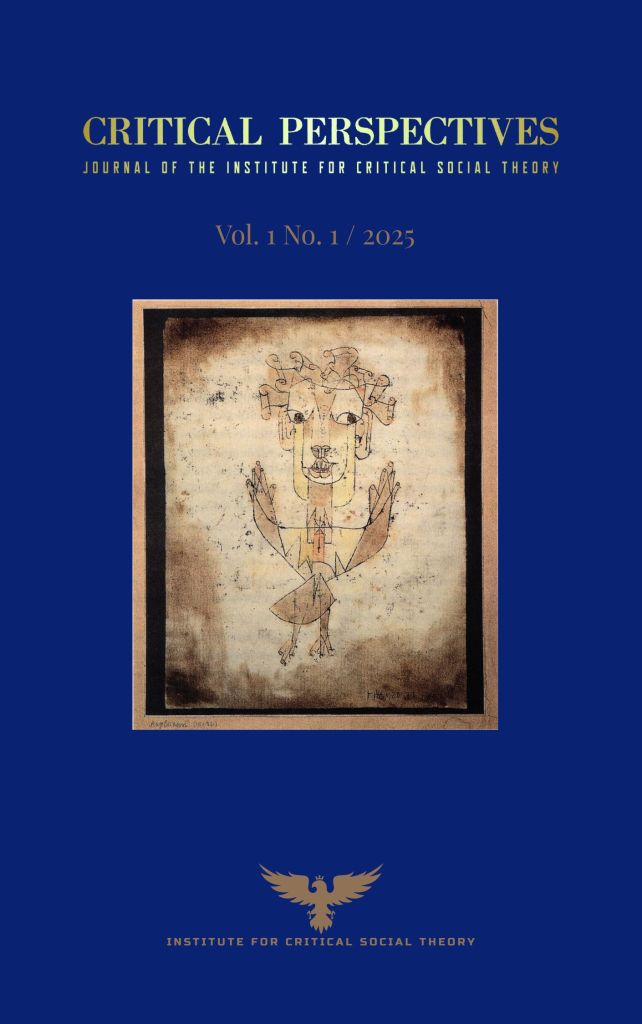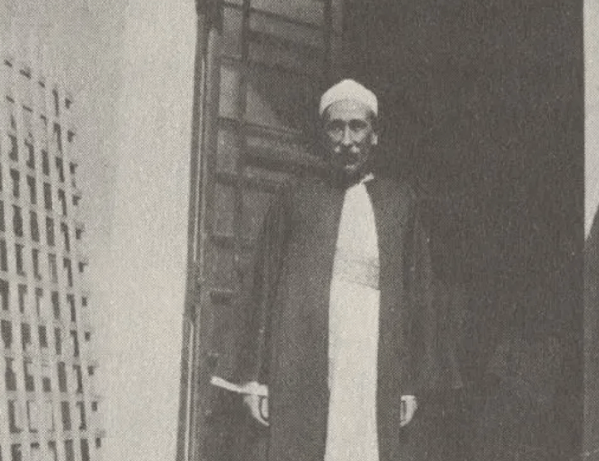
Dear Friends and Scholars, I would like to invite you to contribute to a forthcoming book on the French philosopher, René Guénon. This book, which is open to interrogating all facets of Guénon, will be edited by the Portuguese scholar Carimo Mohomed and myself. If you are interested in contributing to this project, please see the Call for Papers below:
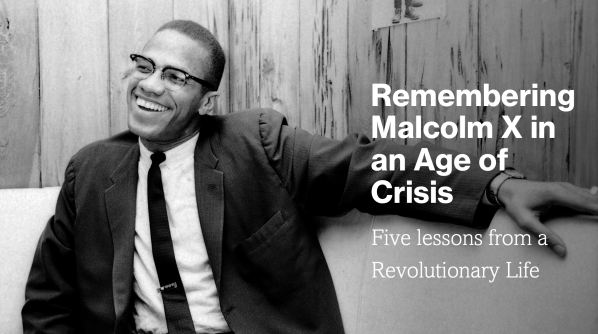
Remembering Malcolm X in an Age of Crisis
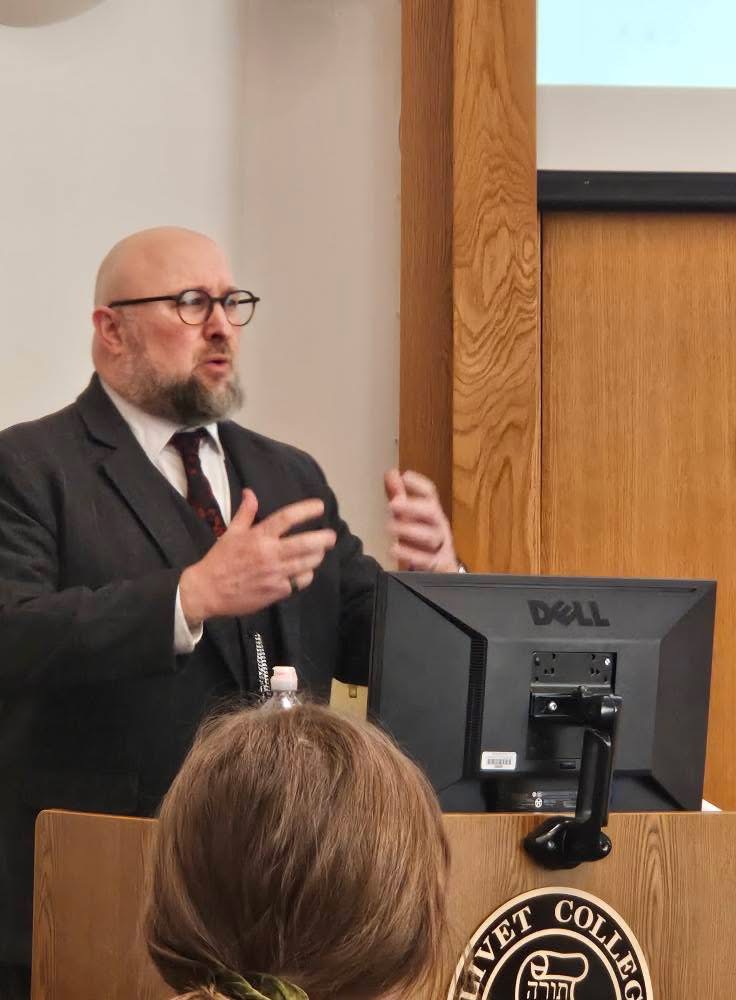
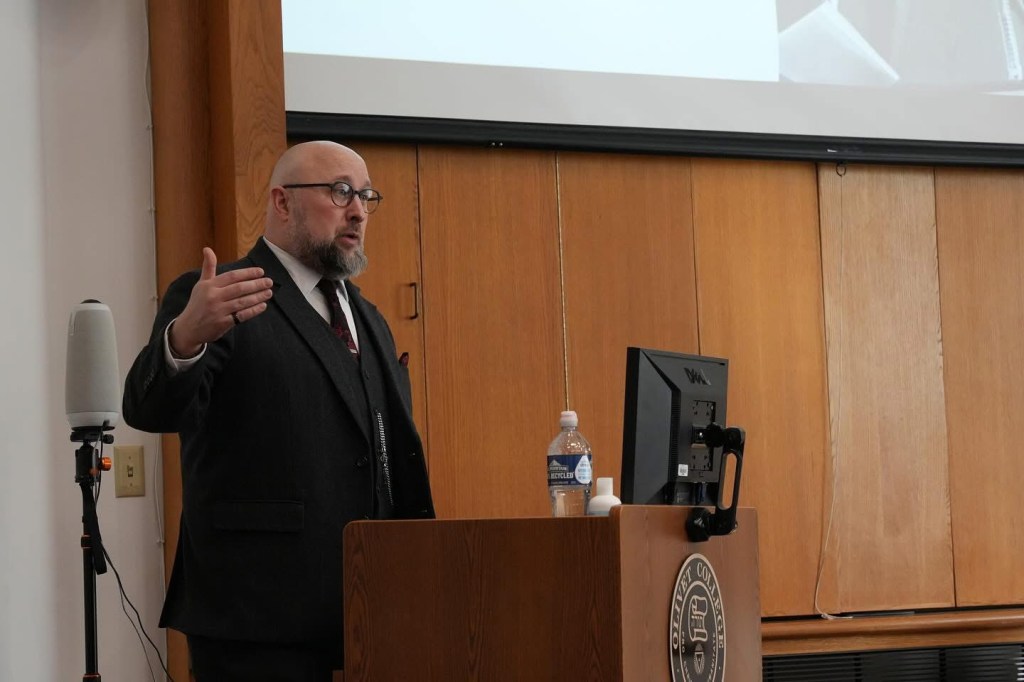
On February 21st, 2025, we remembered the anniversary of Malcolm X’s 1965 assassination at The University of Olivet, at my annual Malcolm X Lecture Series. For an audience of students, faculty, and administrators, I gave a presentation entitled, “Remembering Malcolm X in an Age of Crisis: 5 Lessons from a Revolutionary Life.” In this presentation, I focused on what we can learn from Malcolm X’s own life in a time of social disintegration, racial and religious antagonisms, and political-economic strife, and how we can apply those lessons to our own time, as we experience the rise of populist parties and figures, attempting to negate the progress that has been made in Western society. This event was sponsored by the Department of Arts and Humanities at UO.
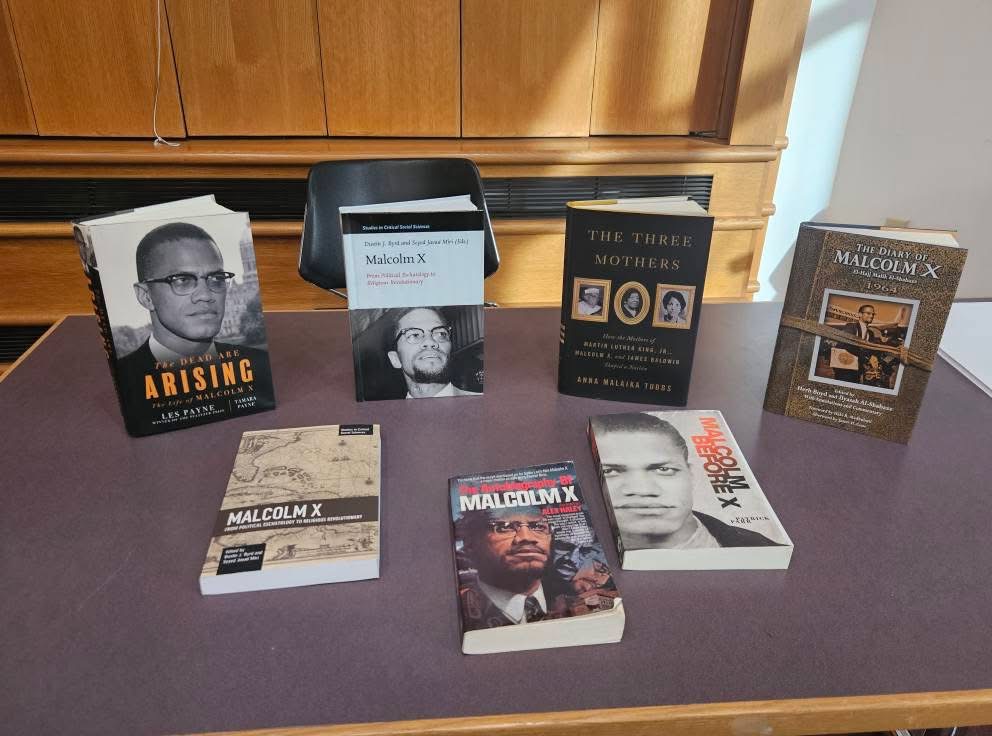
Some years ago, Seyed Javad Miri and I edited a volume of essays on Malcolm X, which is available through Haymarket Books: Malcolm X: From Political Eschatology to Religious Revolutionary. Get your copy now!


The Authoritarian threat to Democracy: a discussion with Rudolf J. Siebert
On February 1st, 2025, I had the opportunity to sit down with Dr. Rudolf J. Siebert, critical theorist of religion and society, and Professor Emeritus at Western Michigan University, to discuss the ongoing threat to democracy posed by right-wing authoritarian movements and figures. Dr. Siebert is not optimistic, seeing that – at least in America – we’ve already moved into an authoritarian stage of development, and that “anocracy,” the combination of democracy and authoritarianism, is not possible. This discourse was sponsored by the Institute for Critical Social Theory and Ekpyrosis Press.
Institute for Critical Social Theory – Inaugural Conference, 2025
Come join the Institute for Critical Social Theory at our inaugural conference, July 17-19, 2025, at Bristol University (UK). Seyed Javad Miri and I are the plenary speakers in this three day conference. Our conference theme is “Critical Theory in an Age of Social Disintegration.” The Call for Papers is below, or visit us at the ICST website: Institute for Critical Social Theory.


“Transforming Catastrophe into a Catalyst for Change” – MLK Day at UO
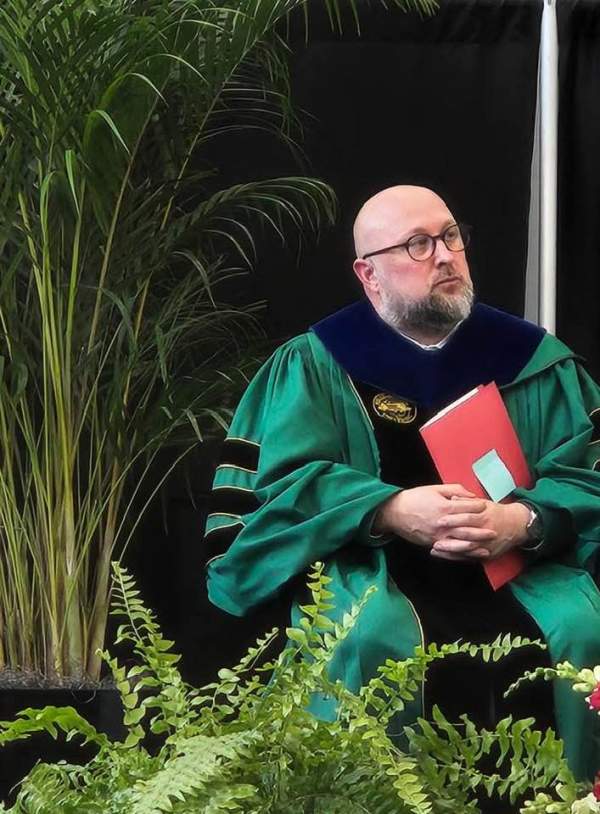
On January 22, 205, I had the honor of speaking at the Dr. Martin Luther King Jr. Inaugural Luncheon held at The University of Olivet. My speech was entitled, “Transforming Catastrophe into a Catalyst for Change,” wherein I talked about taking MLK’s radicality seriously, what created his radicality – as a response to systematic racism and episodic racism, and how Dr. King understood Hegel’s philosophy of history: from regress comes great progress, as long as we’re willing to do the work! I was joined on stage by President Steven Corey, Dr. Tonya Bailey (Oakland University), and the motivational speaker, Dr. Eric Thomas. The music was outstanding! We heard musical performances by the Olivet Choir/Choral, Robert Kyle II, MJ and the Band, and the flautist Brandon Marceal. The event was arranged by the amazing Joshua Gillespie (UO) and the Hiram Archer Student Success Academy (HASSA) at UO. It was a powerful event honoring a prophetic brother, Dr. King.


Talking Christian Nationalism in Scotland
On January 9th and 10th, I had the wonderful opportunity to participate in the “Whose Christianity Anyway: Theological Contestations in the Public and Political” conference at New College, School of Divinity, University of Edinburgh in Scotland. My presentation was entitled, “From the Cold War to the Warm Embrace: Russian Church-State Symphonia as a Template for the Re-Christianization of the United States.” The presentation sparked an excellent conversation about the nature of Christian Nationalism, why in particular the Russian model of “Symphonia” appeals to American Christian Nationalists, and the important differences between American Christian Nationalists and the Russian Orthodox Church. Our two keynote speakers, Jan-Werner Müller (Princeton) and Mariëtta van der Tol (Cambridge), gave very insightful presentations. A big thank you goes out to Thiu Elias and Stephen Dolan for all their hard work organizing the conference, and The University of Olivet for their financial support.
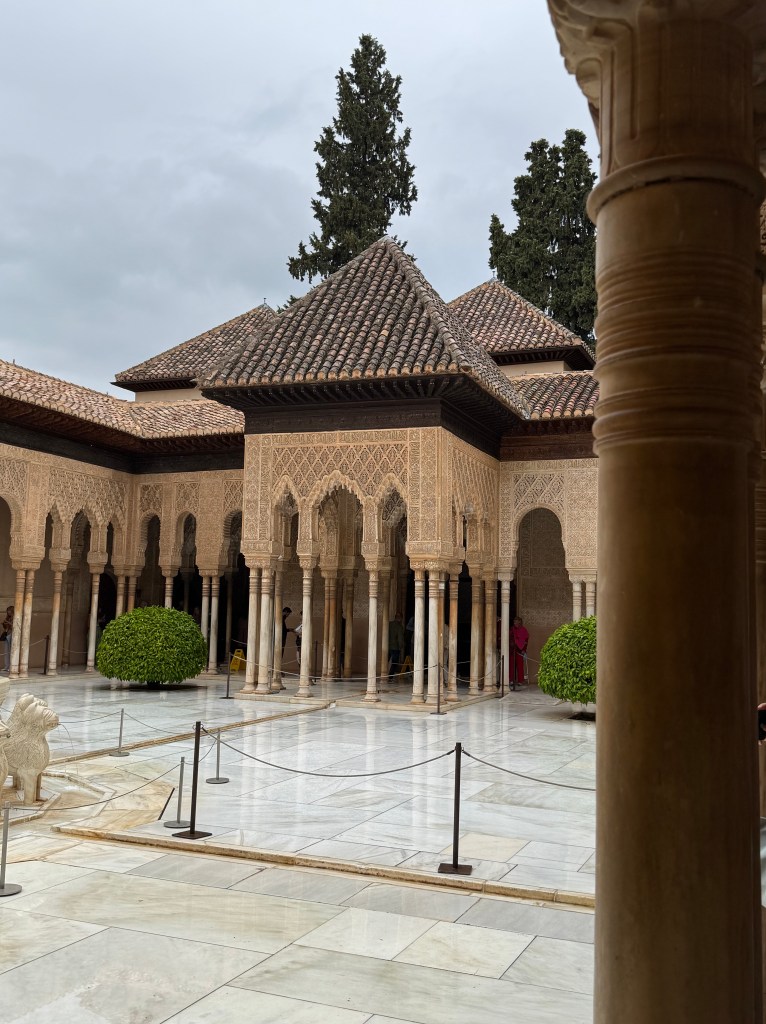
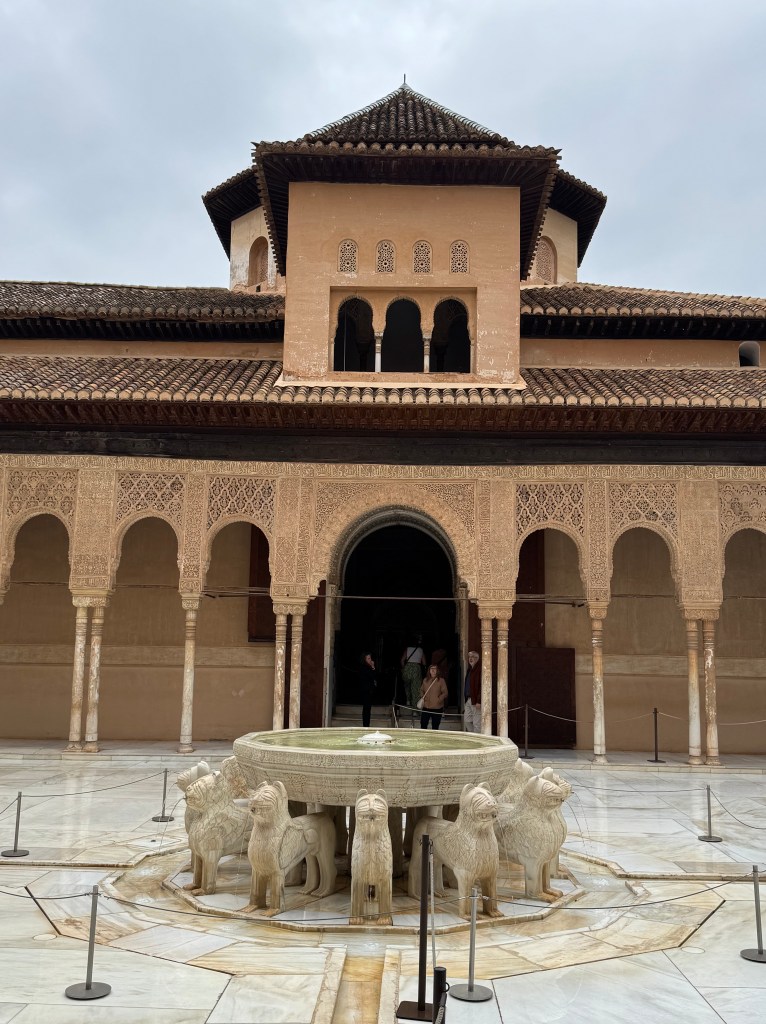
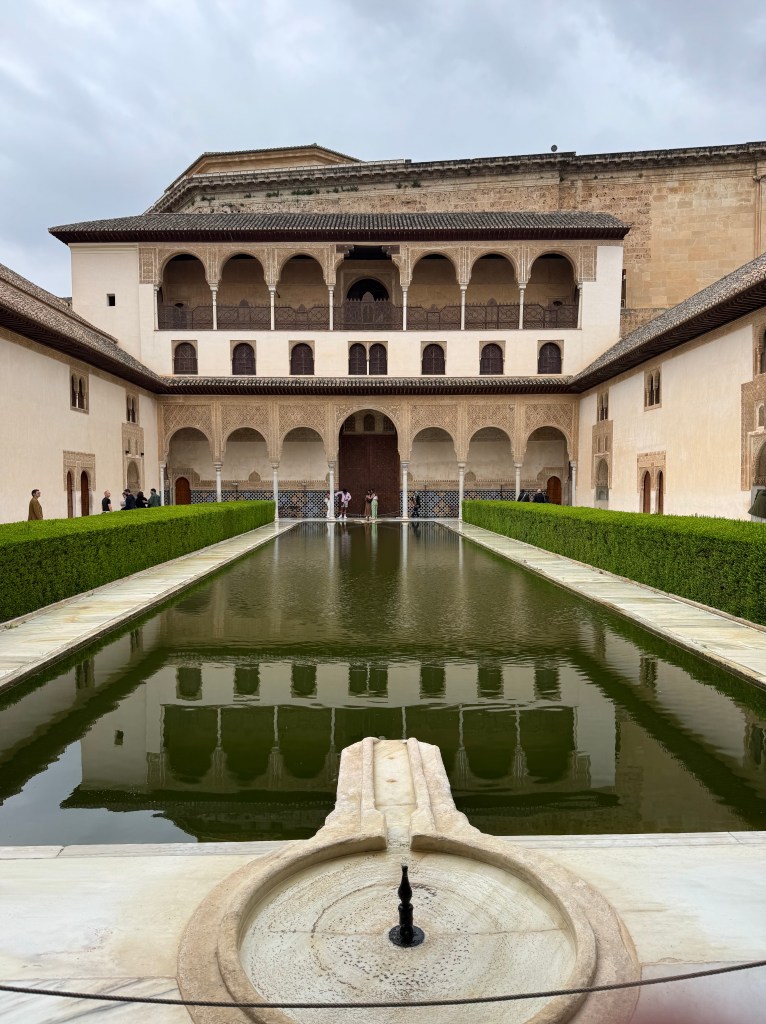
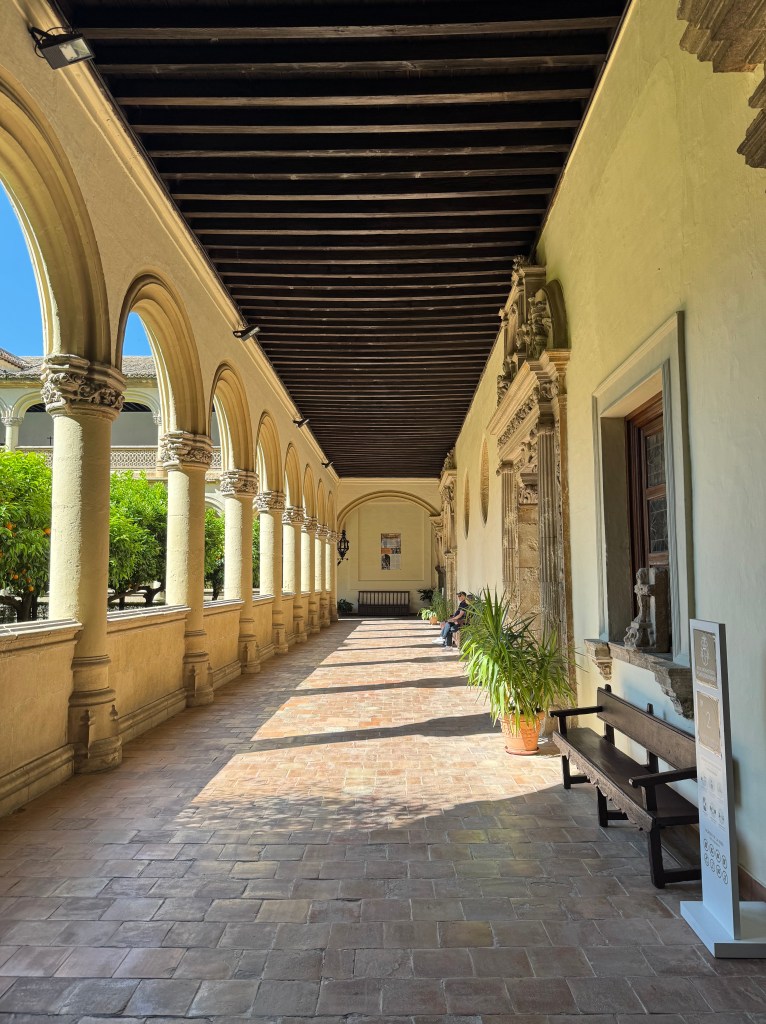
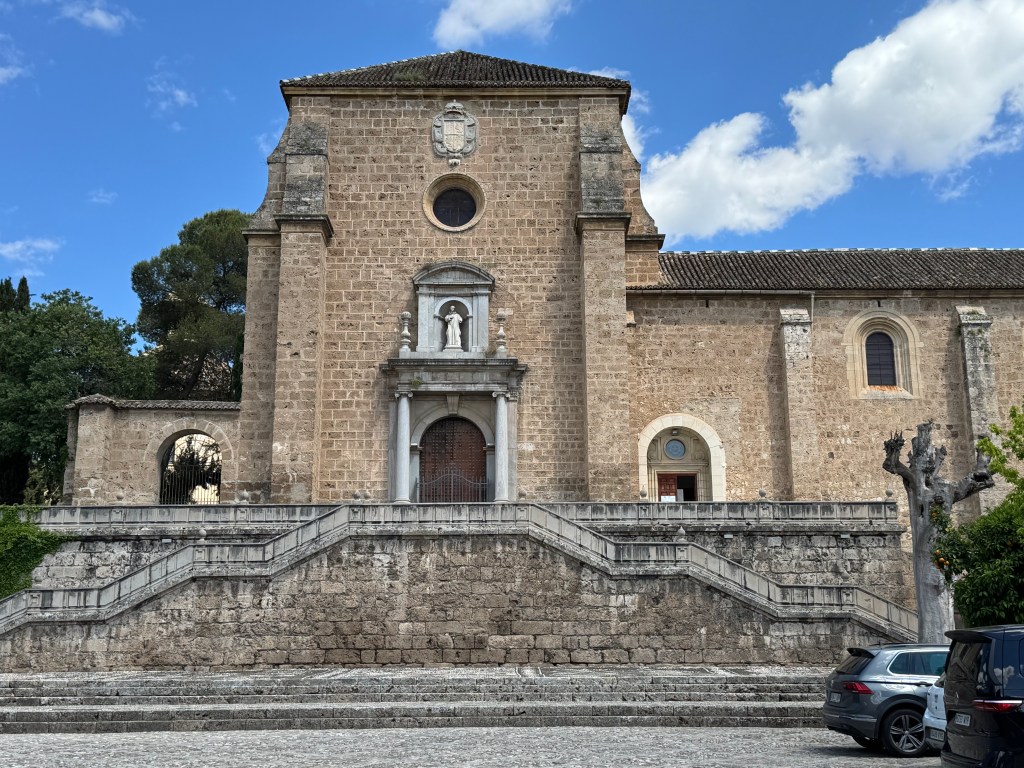
On the 11th of January, I was able to spend some time in Edinburgh as a simple American tourist, seeing numerous important landmarks, such as the Edinburgh castle, Victoria Street, Greyfriars Church and Kirkyard, and St. Giles Cathedral (where old fuss-and-feathers John Knox preached). Below are some pictures from the journey.


The Fromm Connection: A Discourse
On December 7th, 2024, I had the wonderful opportunity to join Rudy Leal McCormack and Maior Levitin on “The Fromm Connection,” wherein we discussed a variety of topics as they related to my recent publication, “Can Religion be Rescued in the 21st Century: On Erich Fromm’s Religious Humanism in an Age of Authoritarian Populism” (Journal of Psychosocial Studies). I deeply appreciate their invitation to discuss Erich Fromm and his continual relevance to today’s society.
NOW AVAILABLE: Ali Shariati: Critical Social Theory and the Struggle for Decolonization
Ali Shariati: Critical Social Theory and the Struggle for Decolonization, edited by Dustin J. Byrd and Seyed Javad Miri
Ali Shariati (1933-1977) is best known as a “revolutionary theorist,” closely connected to Iran’s Islamic Revolution of 1979. While his social, political, and religious thought was deeply influential in those turbulent times, Shariati was much more than a political ideologue. A scholar of religion, philosophy, and sociology, Shariati was fluent both in Western and Islamic thought, which allowed him to create some of the most penetrating “critical” thought in the 20th century, applicable to both the West and the dār al-Islām. While he remains controversial inside his home country, his influence has grown beyond its borders. Today, contemporary theorists are returning to Shariati’s written works, seeing his voluminous writing as a precursor to the decolonization movement, which seeks to emancipate the non-Western world from the vestiges of Western colonial domination. In many ways, Shariati laid the foundation for such emancipatory work through his own struggle against the Shah of Iran and the clerical establishment that supported the status quo. This collection of essays returns to a variety of the Shariati’s core concepts, as it seeks to interrogate them, revitalize them, and engage our own age of strife through these Shariatian perspectives.
Contributors: Dustin J. Byrd, Seyed Javad Miri, Joseph Alagha, Esmaeil Zeiny, Vahideh Sadeghi, Bijan Abdolkarimi, Raewyn Connell, Carimo Mohomed, Tanveer Azamat, Teo Lee Ken, Milad Dokhanchi, Fatemeh Shayan, Ali S. Harfouch, M.S. Kolbadi, and Mohammad Masud Noruzi.


Available on the Ekpyrosis Press website: Ali Shariati
Available on Amazon (US): Ali Shariati
Available through Lulu (US & International): Ali Shariati
Talking Erich Fromm with Dr. Rainer Funk
On Thursday, November 14th, 2024, I had the great pleasure of welcoming Dr. Rainer Funk into my course on Erich Fromm, “Visionary Thinkers: Freedom and Fear.” Dr. Funk spoke with my class via Zoom from Tübingen, Germany, where he is the Director of the Erich Fromm Institute, the Co-Director of the Erich Fromm Study Center at the International Psychoanalytic University (IPU) in Berlin, and a practicing psychoanalyst. He is Erich Fromm’s sole Literary Executor and among his publications are the 10-volume German edition of Erich Fromm Collected Works (1980 and 1981; expanded to 12-volumes in 1999). We were pleased to benefit from his knowledge of Erich Fromm and wisdom about the world.