Islamophobia in Granada, Spain

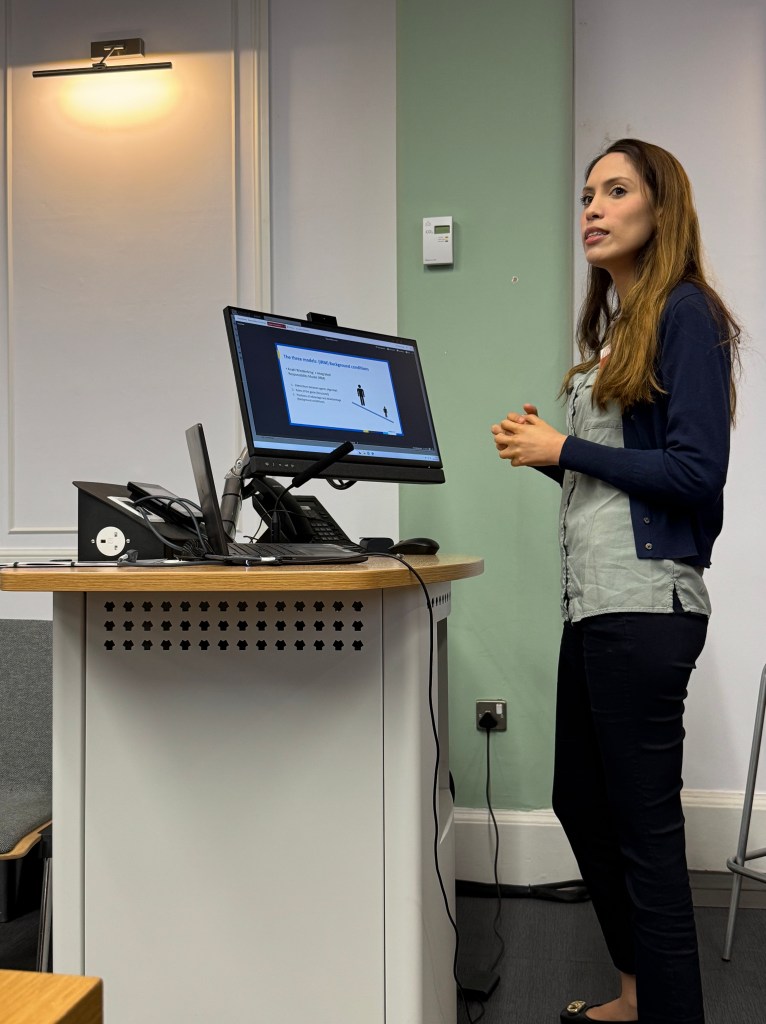
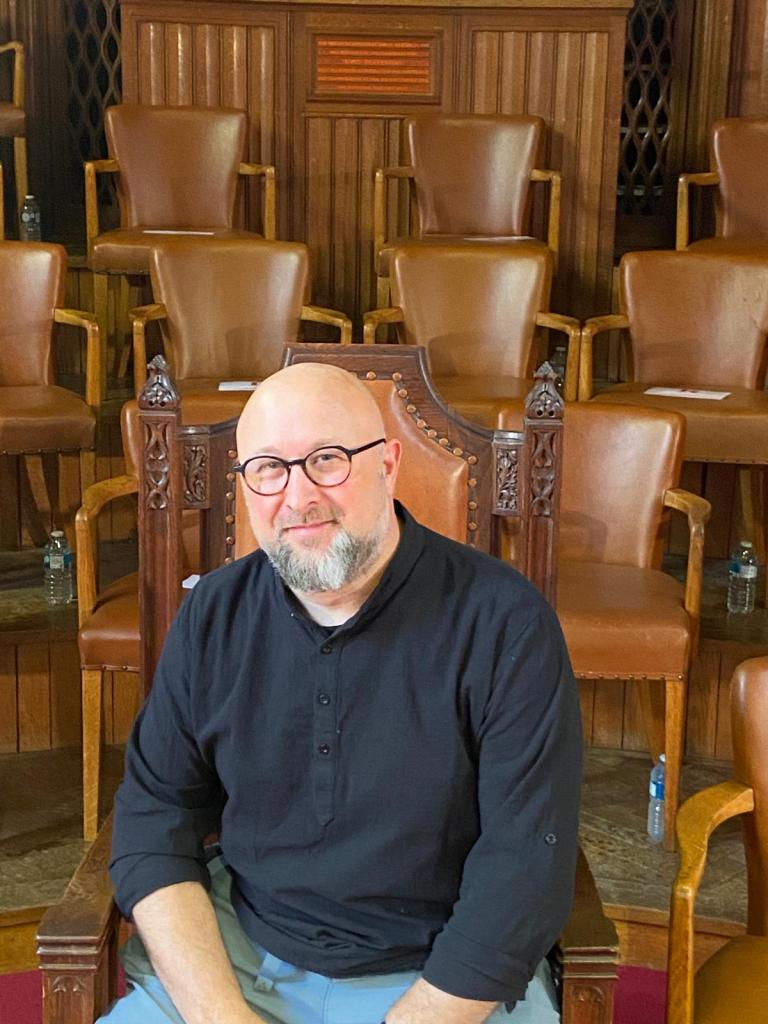
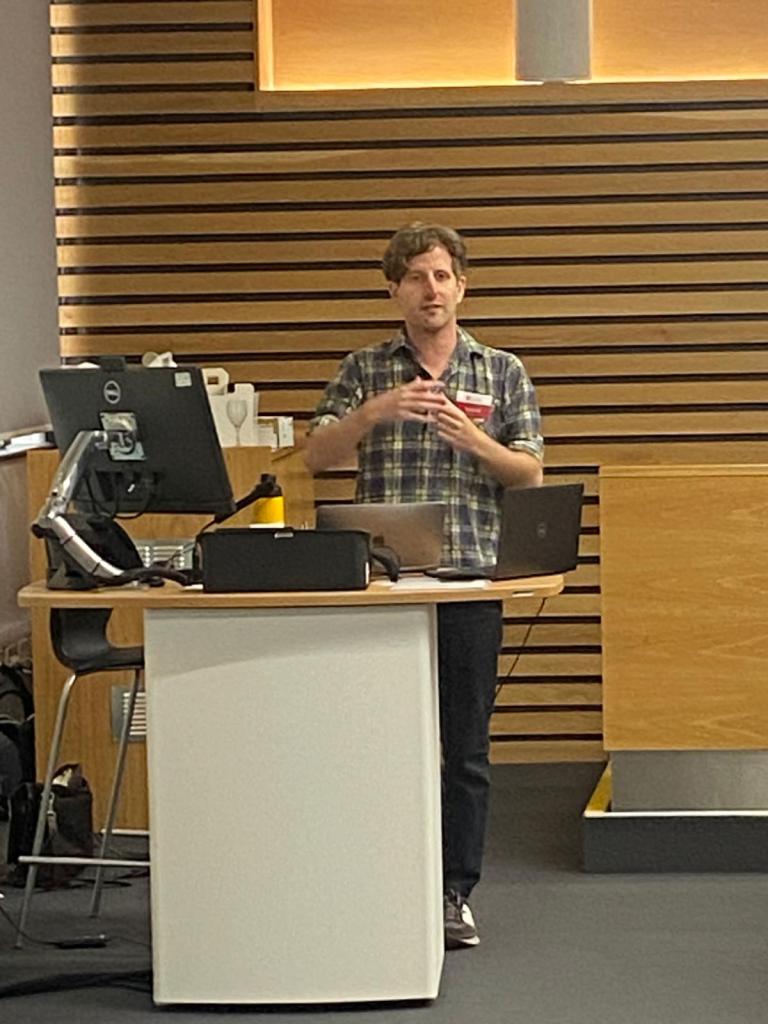
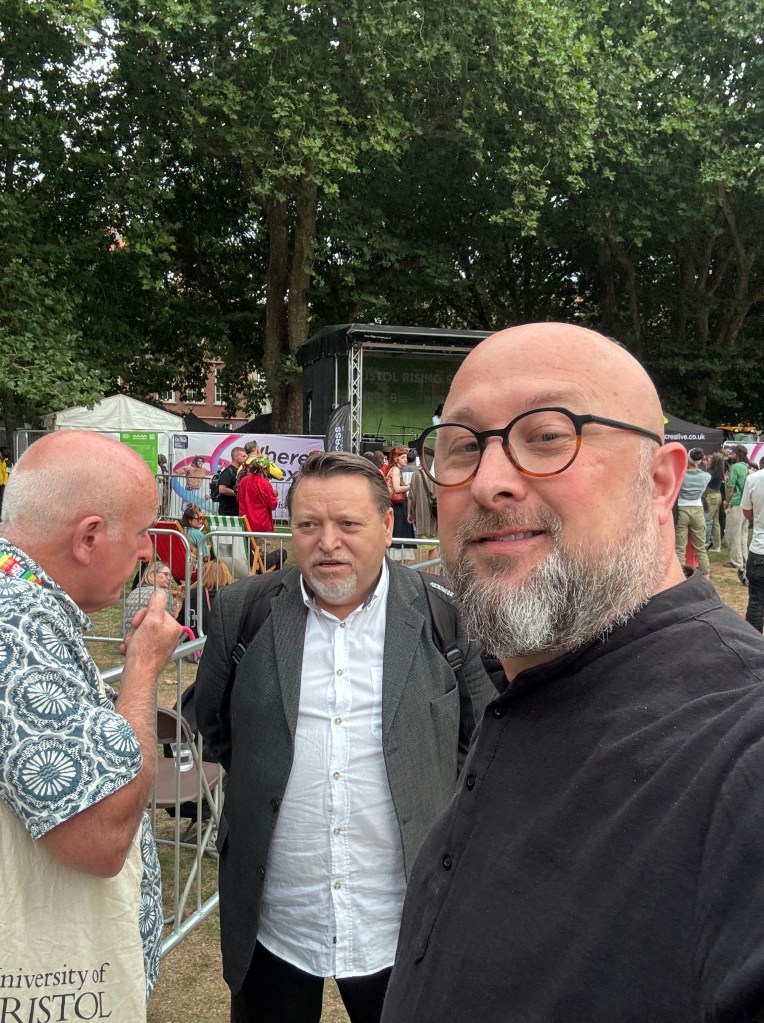
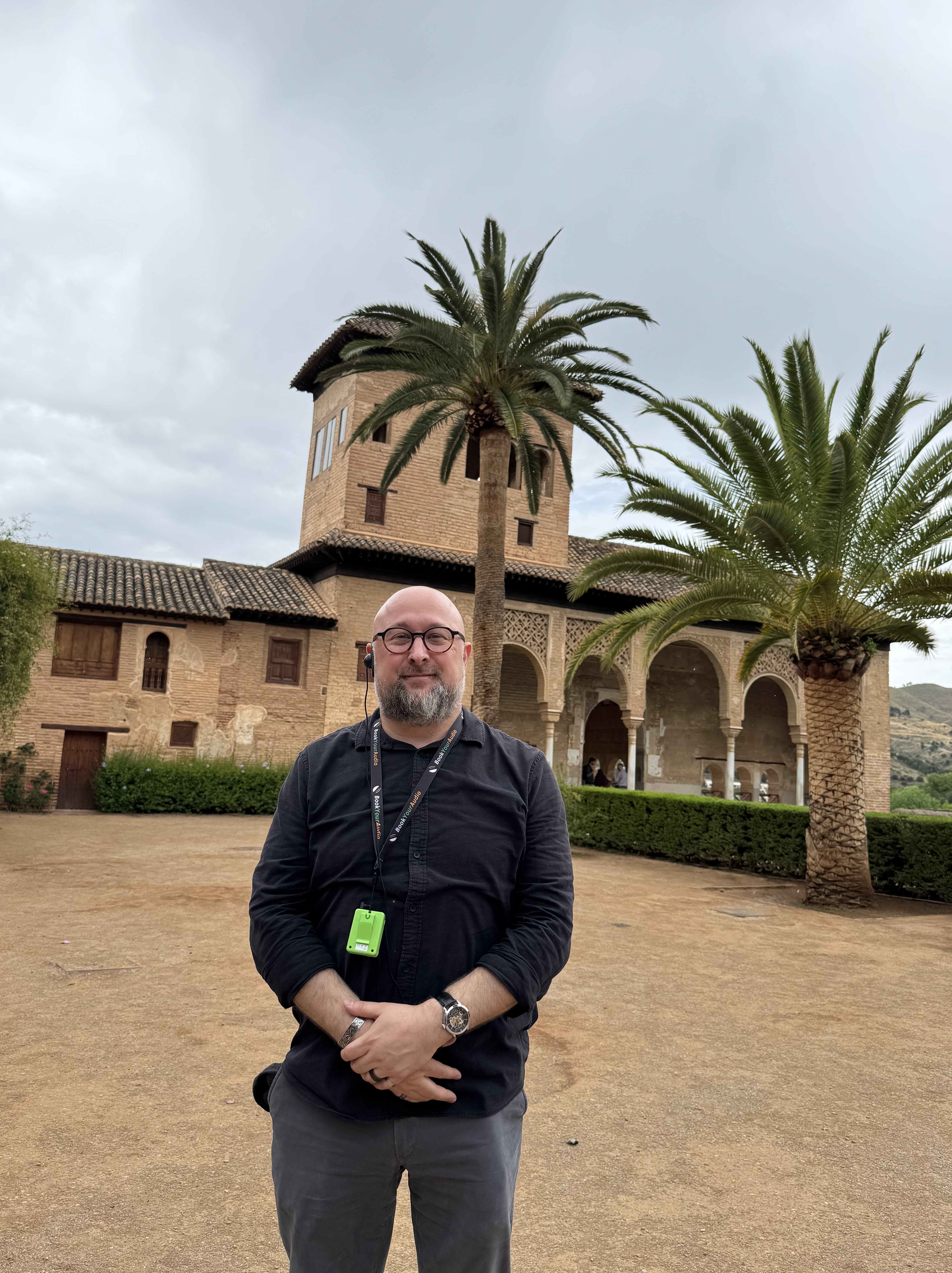
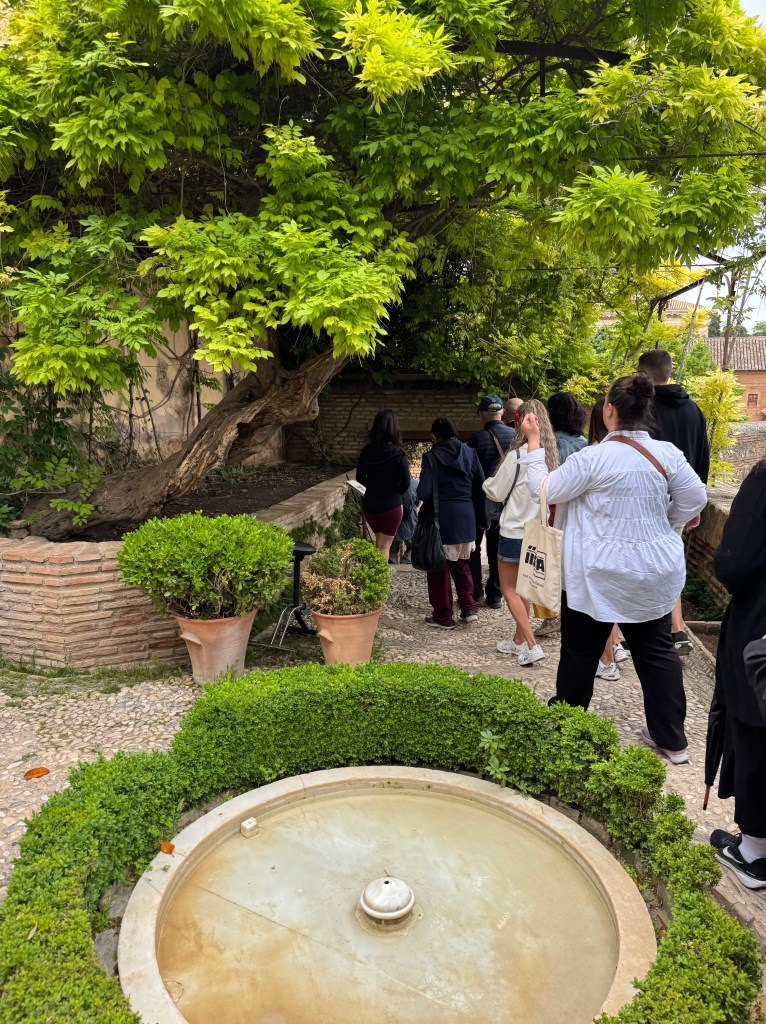
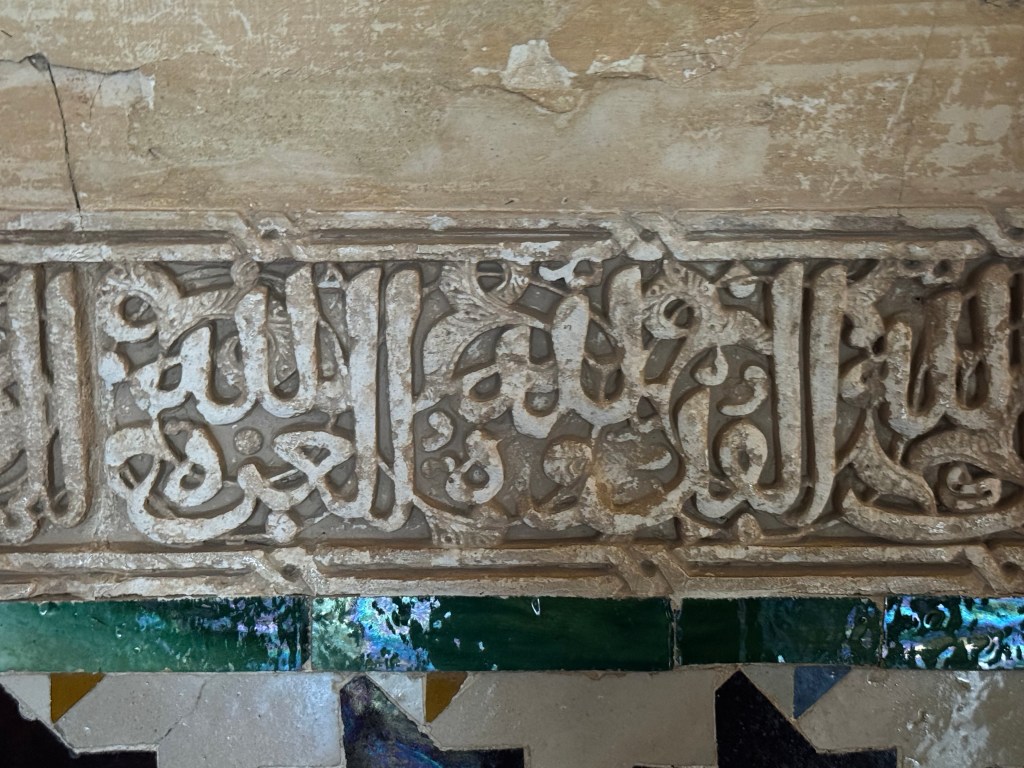
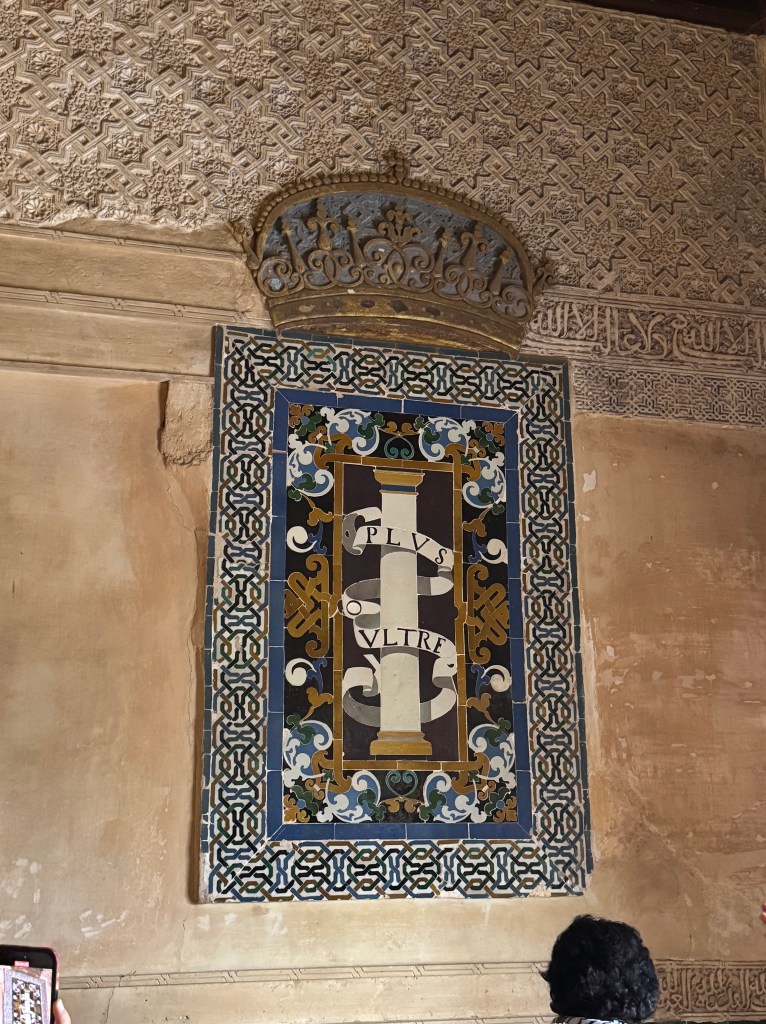
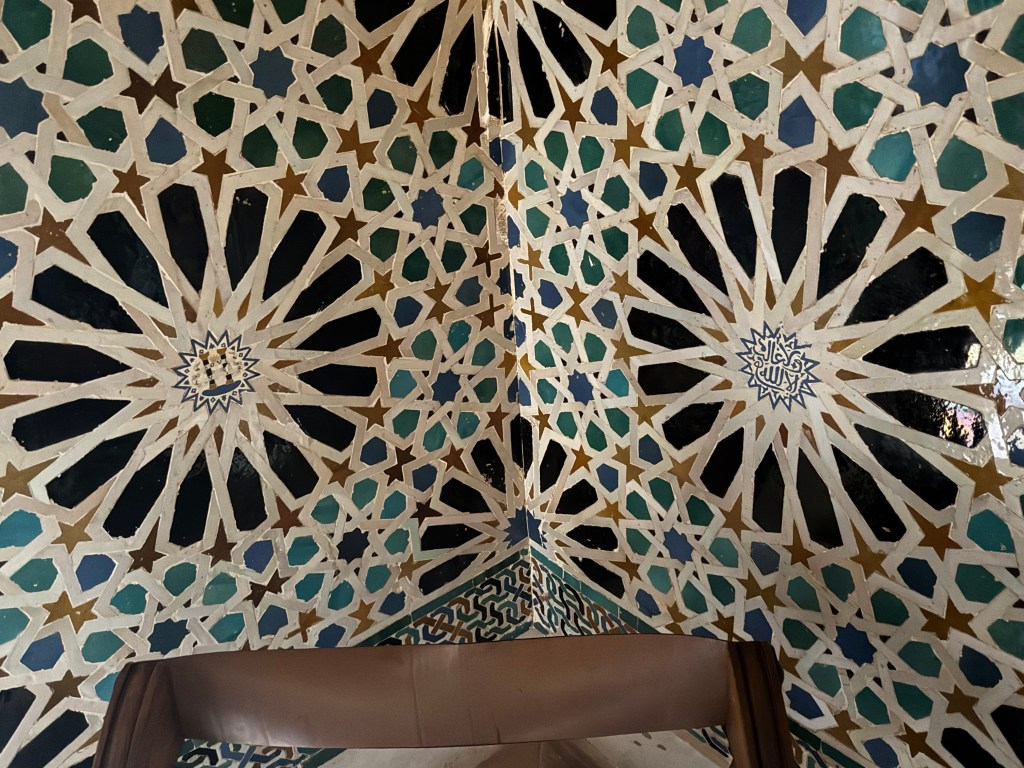
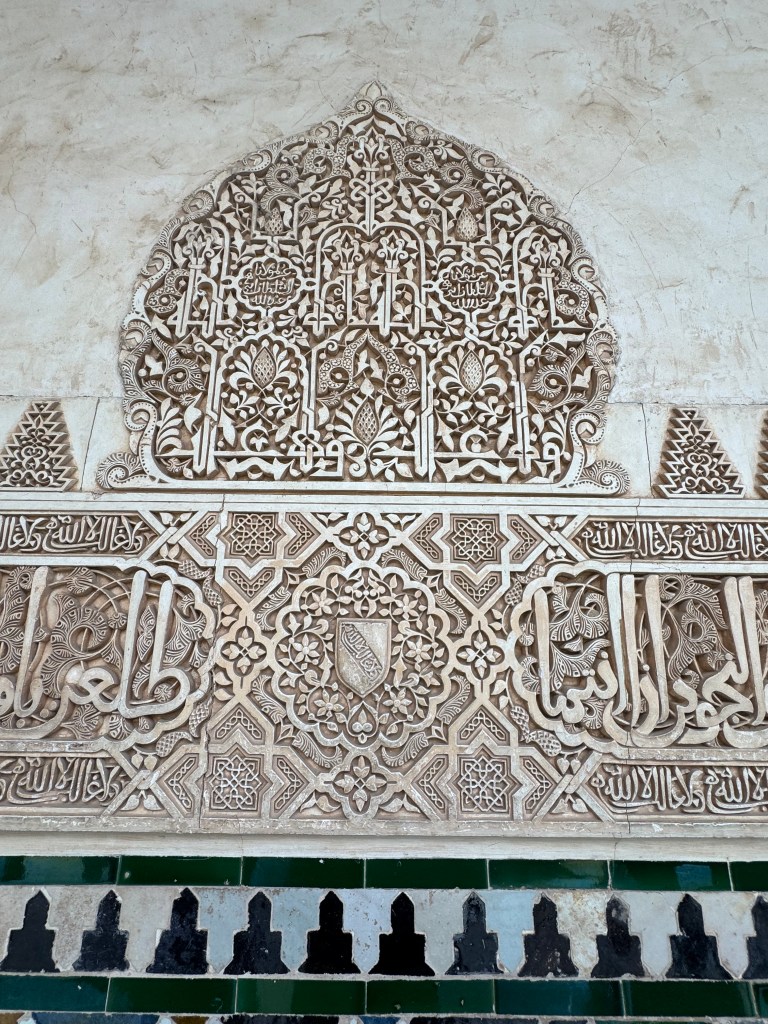
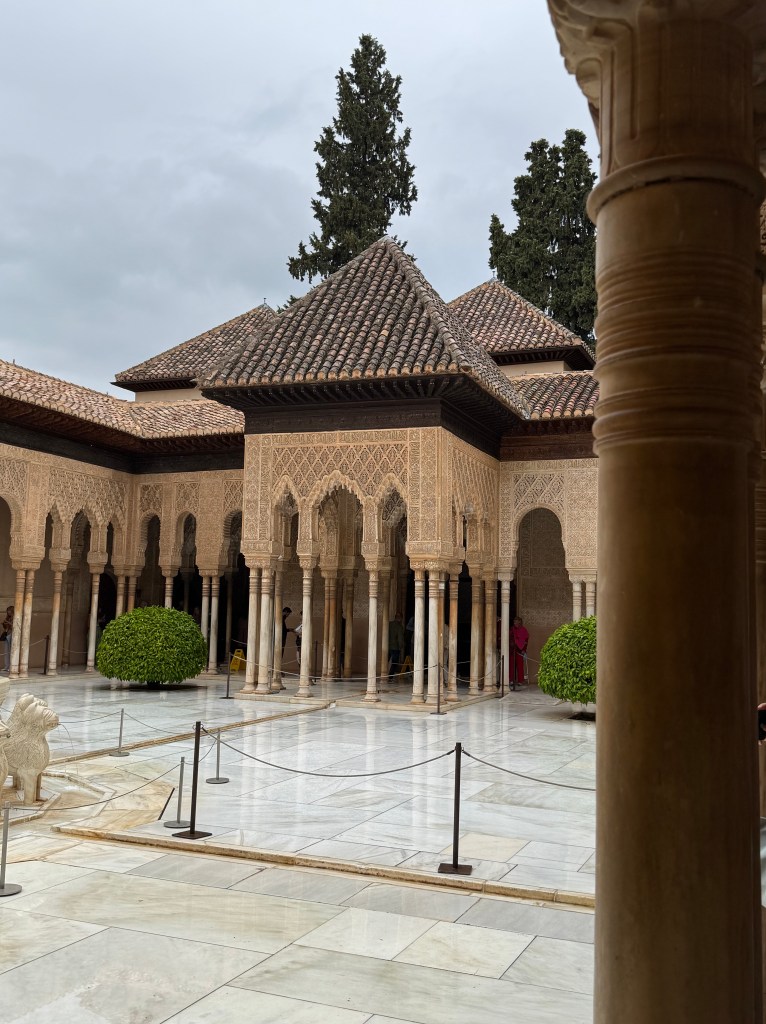
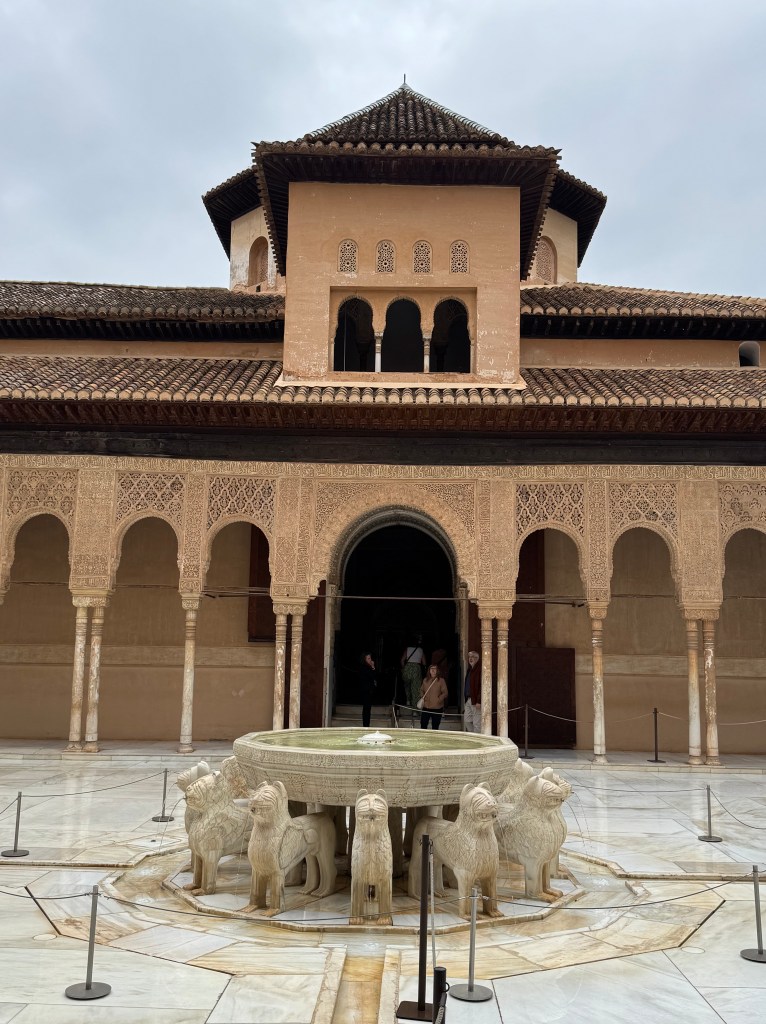
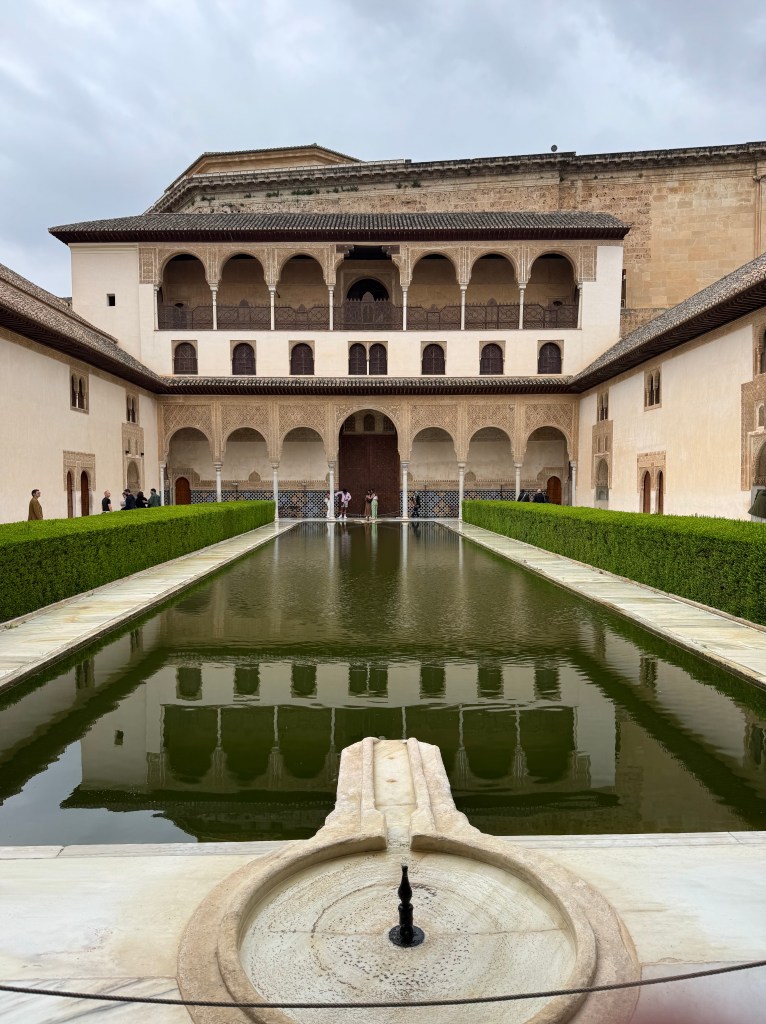
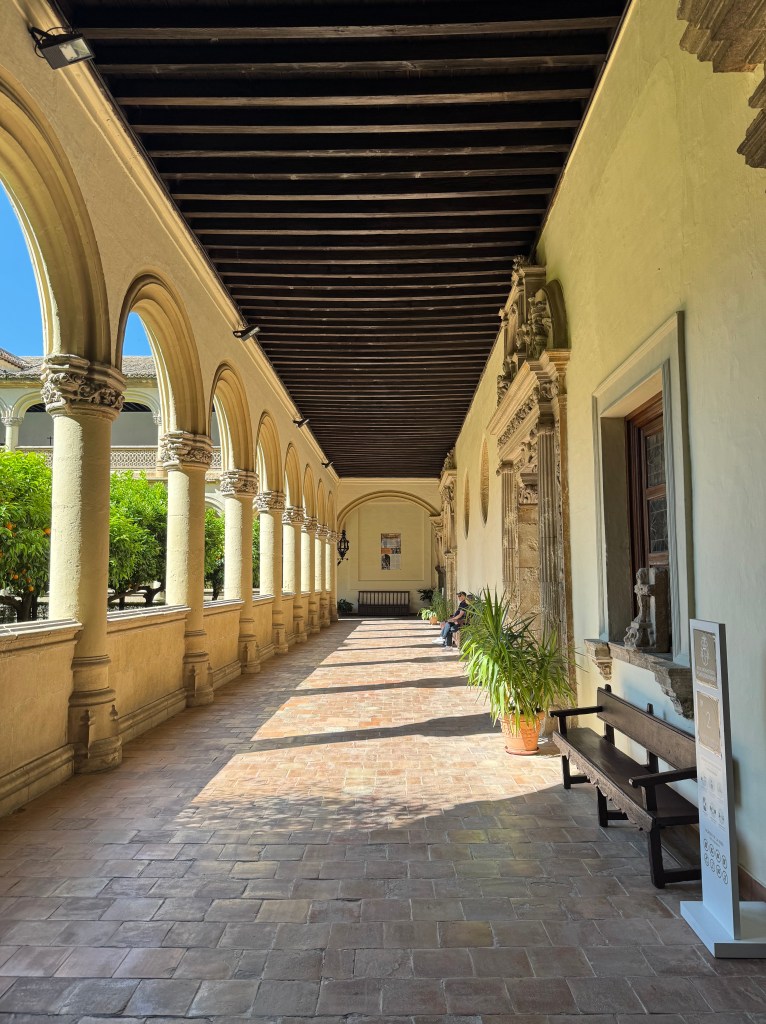
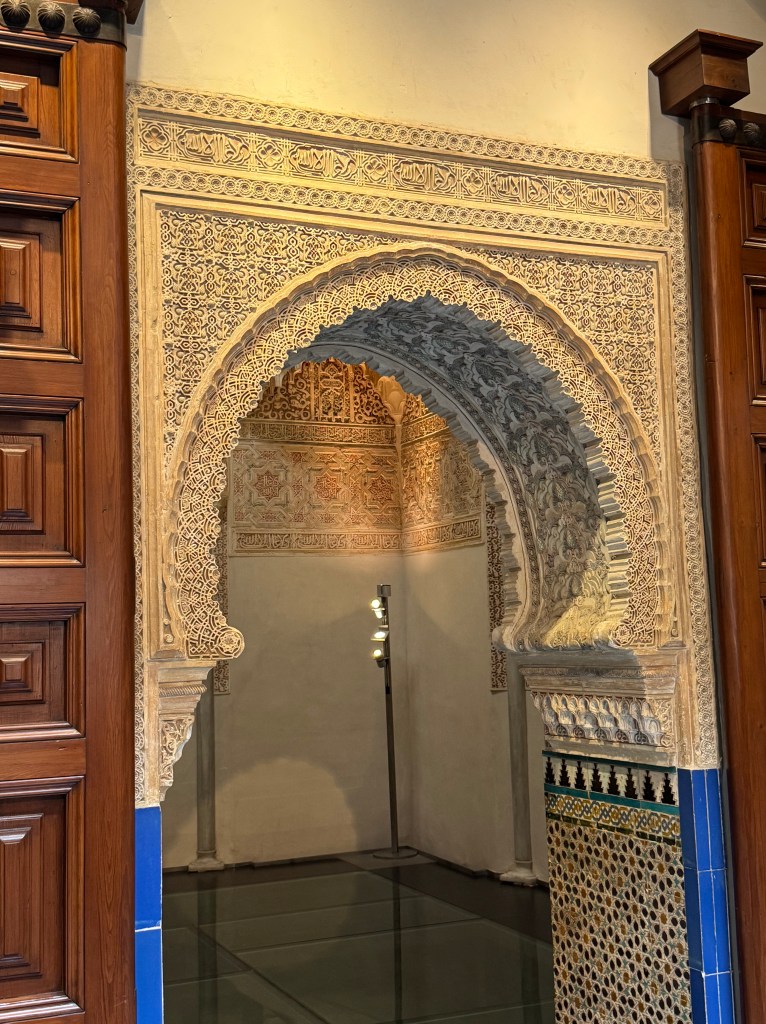
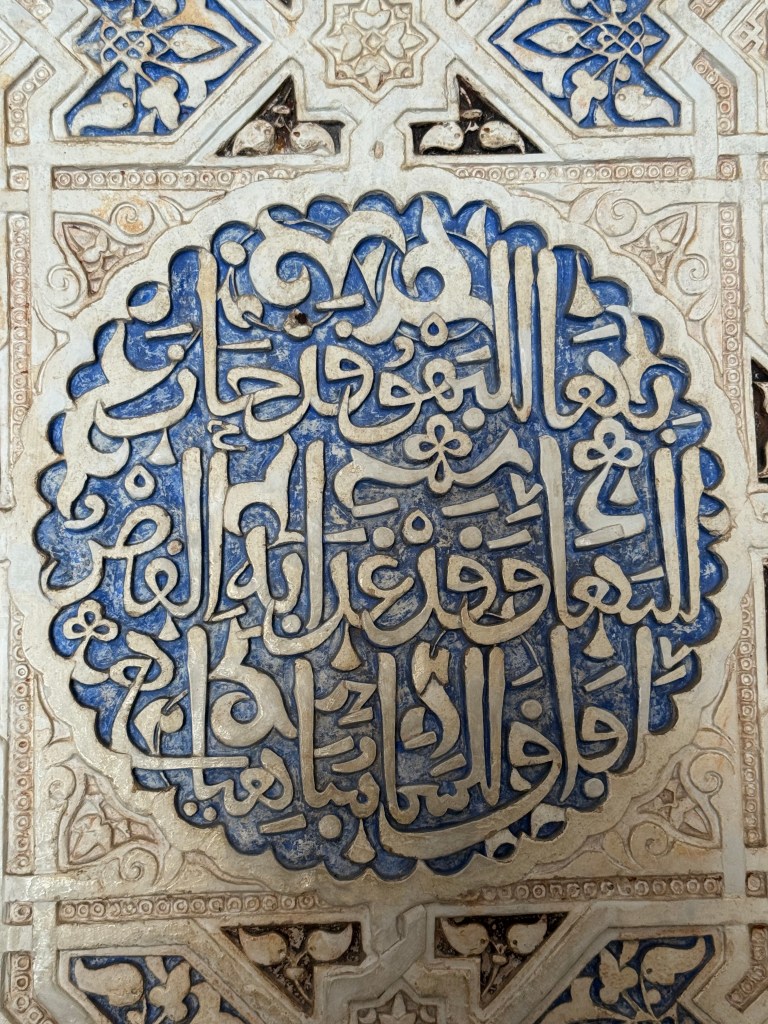
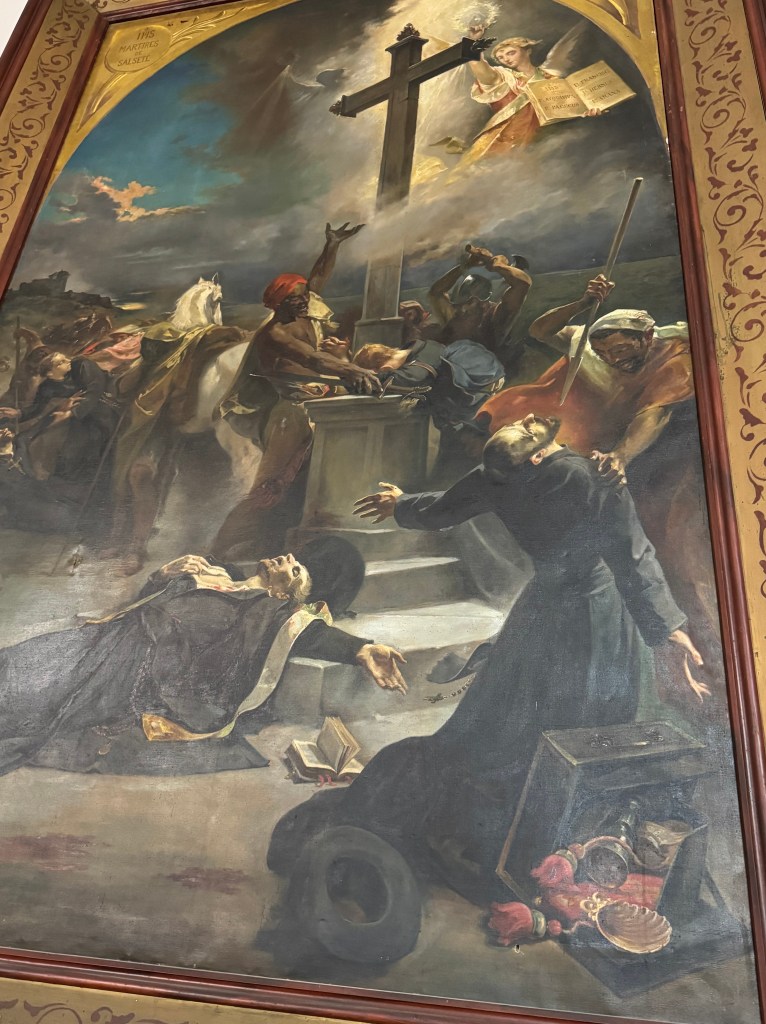
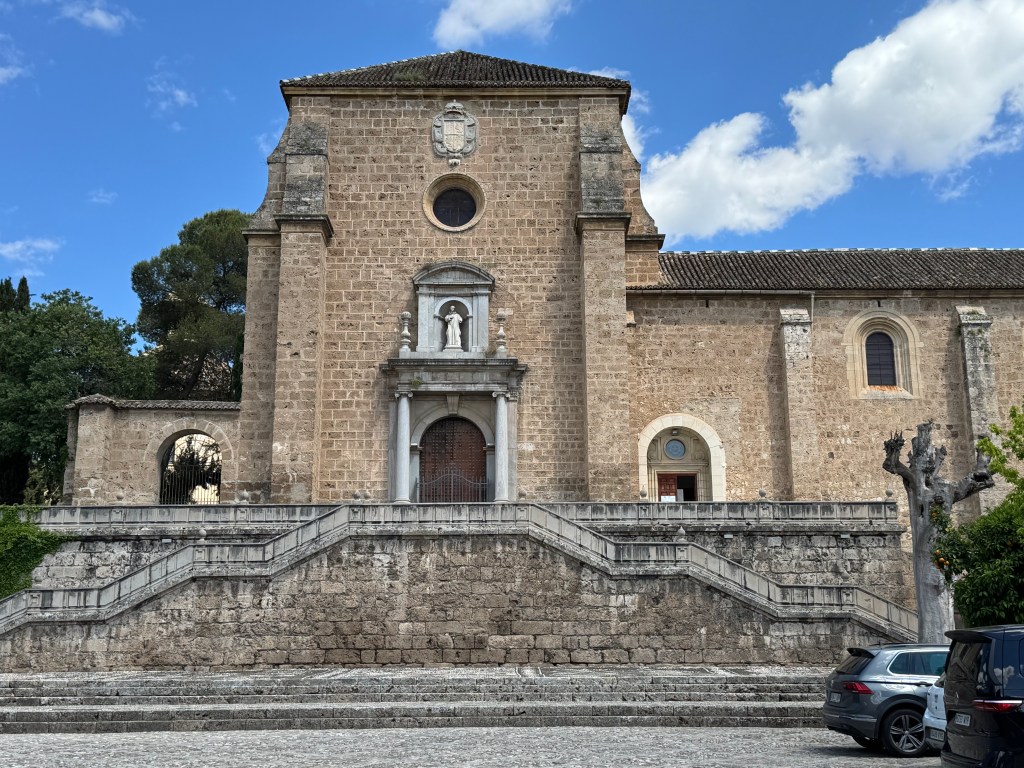
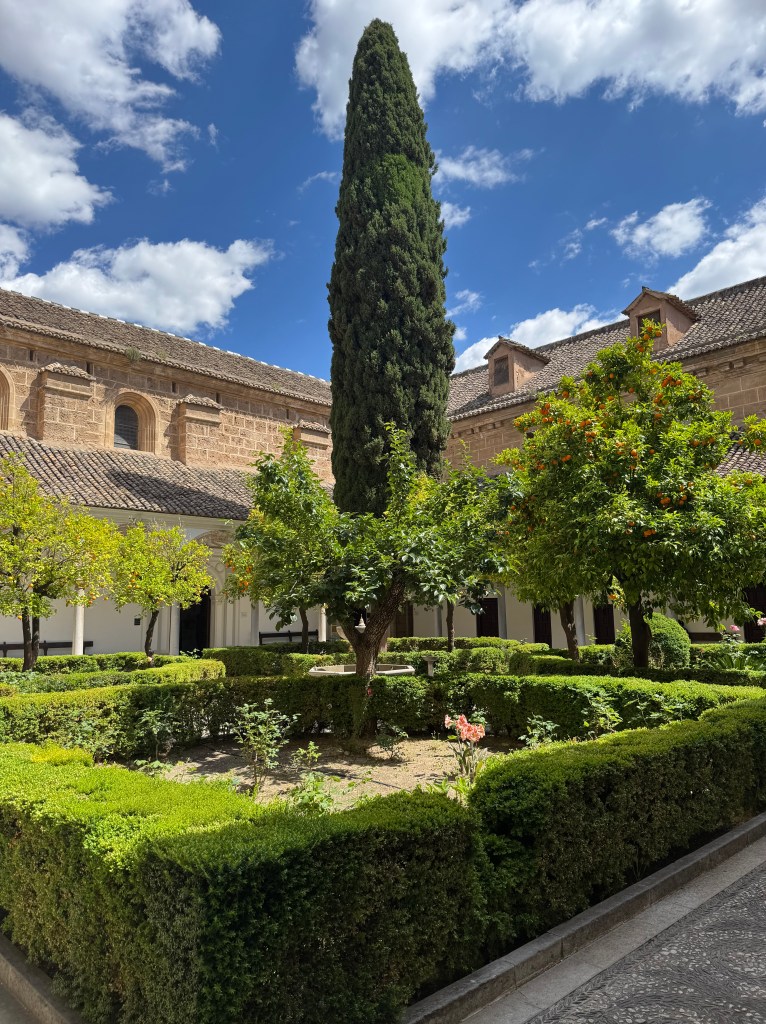
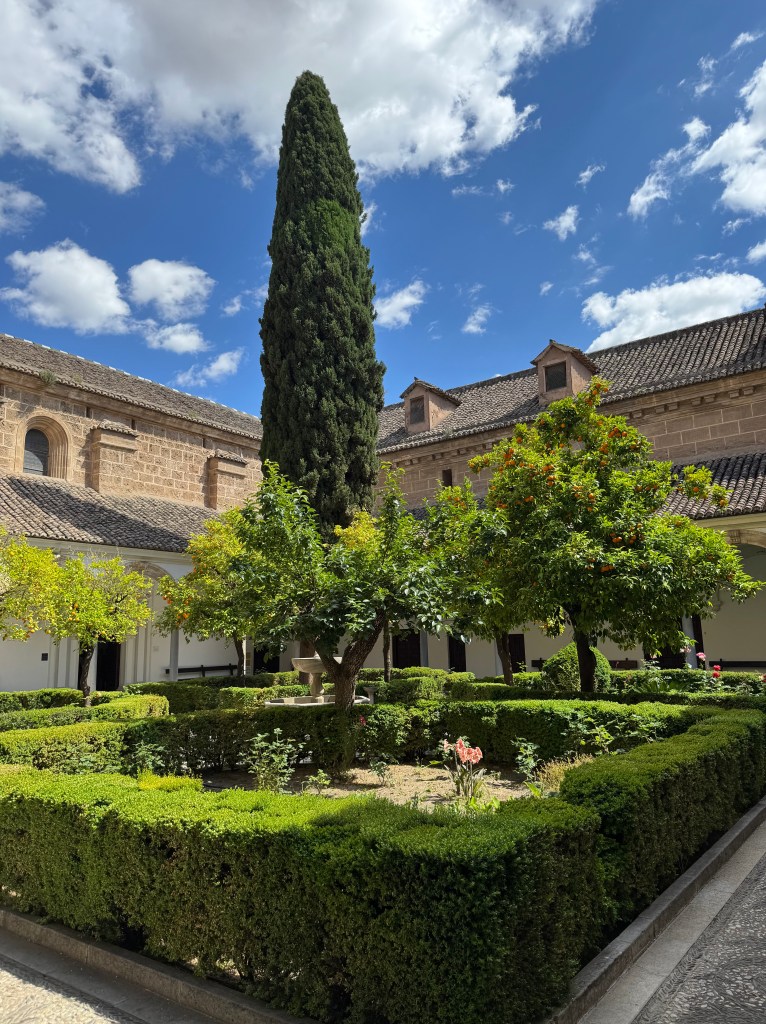
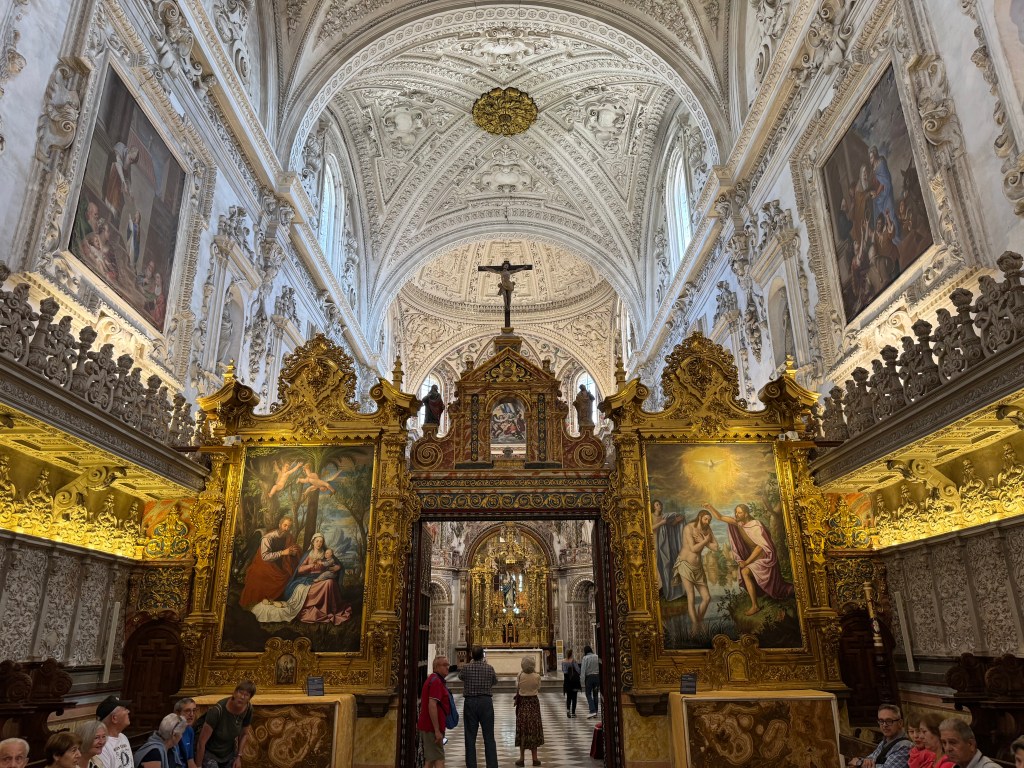
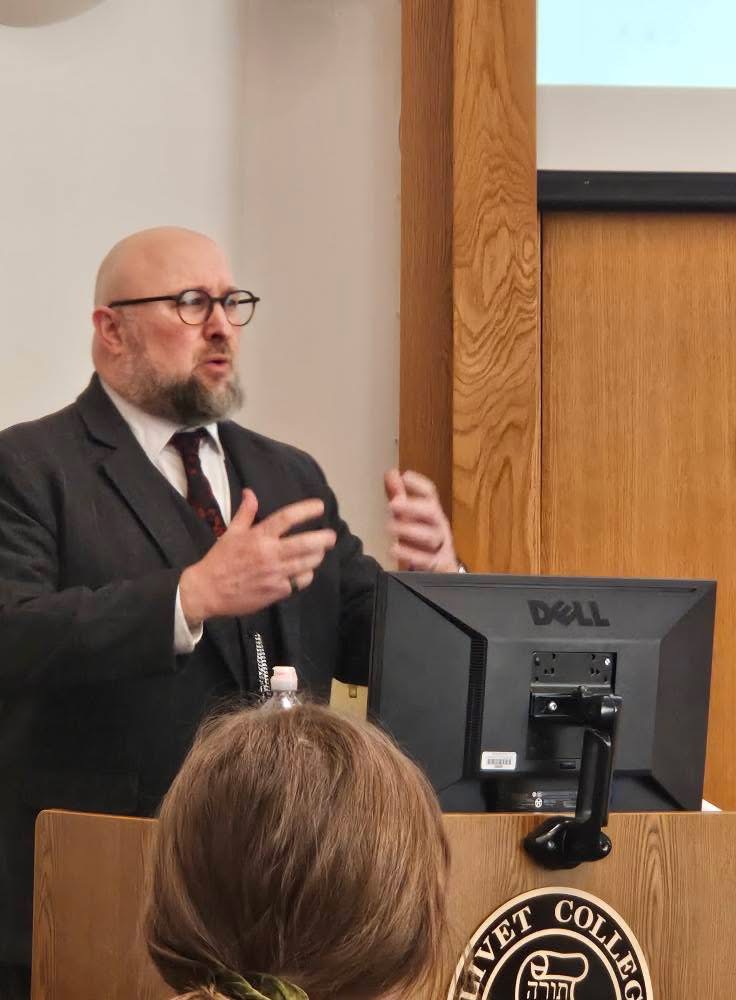
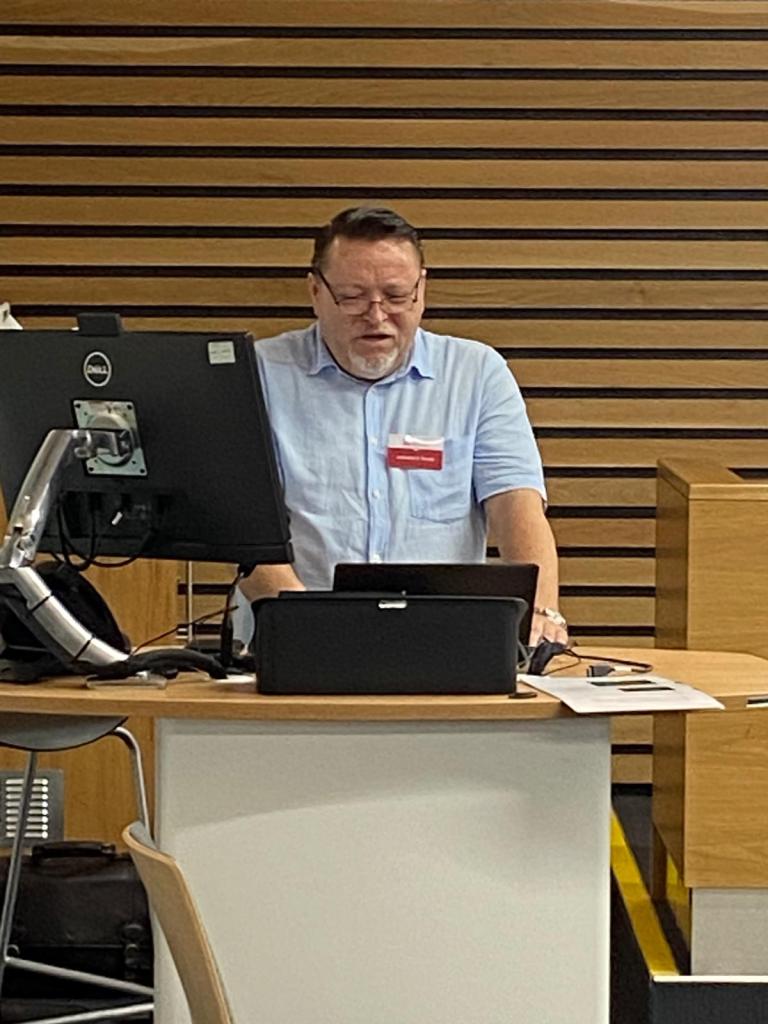
On May 22, 2025, I had the awesome opportunity to present my work on the metaphysics of Islamophobia at the Fourth Annual International Islamophobia Studies Research Association (IISRA) Conference, which took place in the shadow of the Alhambra in Granada, Spain. The conference was sponsored by the Instituto de la Paz y los Conflictos (Institute for Peace and Conflict Studies) and Departments Studios Semiticos (Department of Semitic Studies), at the University of Granada. My presentation was based on my chapter in the new book, Secularism, Race, and the Politics of Islamophobia (University of Alberta Press), edited by Dr. Sharmin Sadequee. The chapter is entitled, “The Limits of the Translation Proviso: The Inherent Alien in the Willed-Community,” wherein I discussed Habermas’ “translation proviso” for Muslims in the West, its problems, and the rightwing retreat into metaphysical Islamophobia, especially in the concept of the “Volksgemeinschaft” (ethnic community), as a means of marginalizing Muslims in post-secular societies. No trip to Granada is complete without a tour of the Alhambra and the Albaicín part of the city, which is a historically Muslim part of the city. I also toured the Monastery of St. Jerome, Cartuja de Granada (Carthusian Monastery), and the Basílica Catedral Metropolitana de la Encarnación (Granada Cathedral), which sits on the remains of the central mosque of Granada. I also visited the Islamic madrasa (which is not a madrasa anymore) and the square in which Catholic Spaniards burned the Islamic books from the madrasa. This was an amazing conference and visit to Andalusia. I look forward to returning to visit Seville and Cordoba.
Buy the book here: Secularism, Race, and the Politics of Islamophobia.

“Where Id is, Ego shall be”: A Freud Portrait for a Freud Book

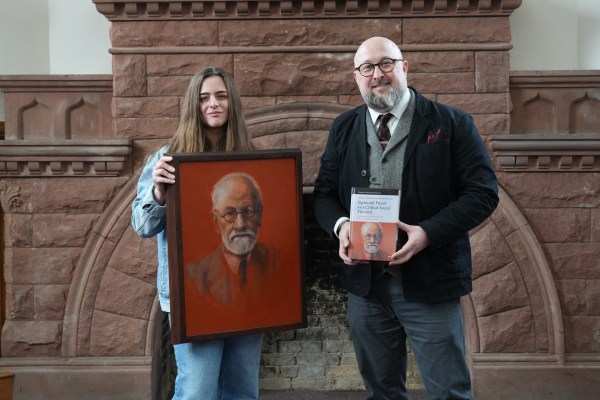
On April 1st, 2025, I had the opportunity to meet with the great portrait artist, Mahalia Stelter, an alumna of The University of Olivet, to celebrate the publication of the new book, Sigmund Freud as a Critical Social Theorist: Psychoanalysis and the Neurotic in Contemporary Society, edited by Seyed Javad Miri and I. Mahalia’s portrait of Freud was used for the cover of the book, and was photographed by Aubrey Helfrich. The book is published by Brill (Leiden, Netherlands), and is available for purchase via Brill’s website, or through Amazon. Get your copy of the Freudian goodness now, or have your institution order a copy.

For a discussion on Freud and his relevance to the Frankfurt School, see my discussion with Dr. Rudolf J. Siebert.

Talking Dietrich Bonhoeffer and Fascism with Rudolf J. Siebert

On March 15th, 2025, I had the pleasure of discussing the life and work of the German Lutheran Pastor, Dietrich Bonhoeffer, with the critical theorist and theologian, Rudolf J. Siebert. We discussed the historicity of the 2024 movie, Bonhoeffer: Pastor, Spy, Assassin, and why it is important to remember individuals like Bonhoeffer who resisted fascism, especially in light of the latest rise of authoritarian populism in the West. We also discussed Bonhoeffer’s concept of “stupidity” and “cheap grace” among others. The discourse was sponsored by Ekpyrosis Press and the Institute for Critical Social Theory.

Remembering Malcolm X in an Age of Crisis

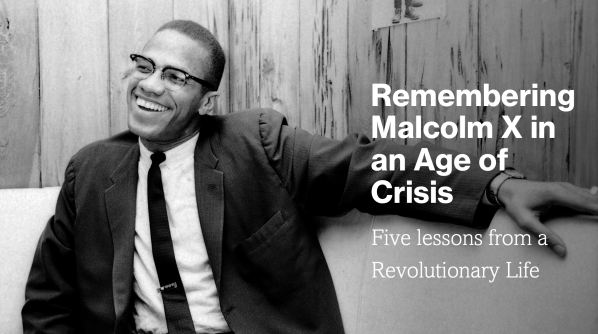
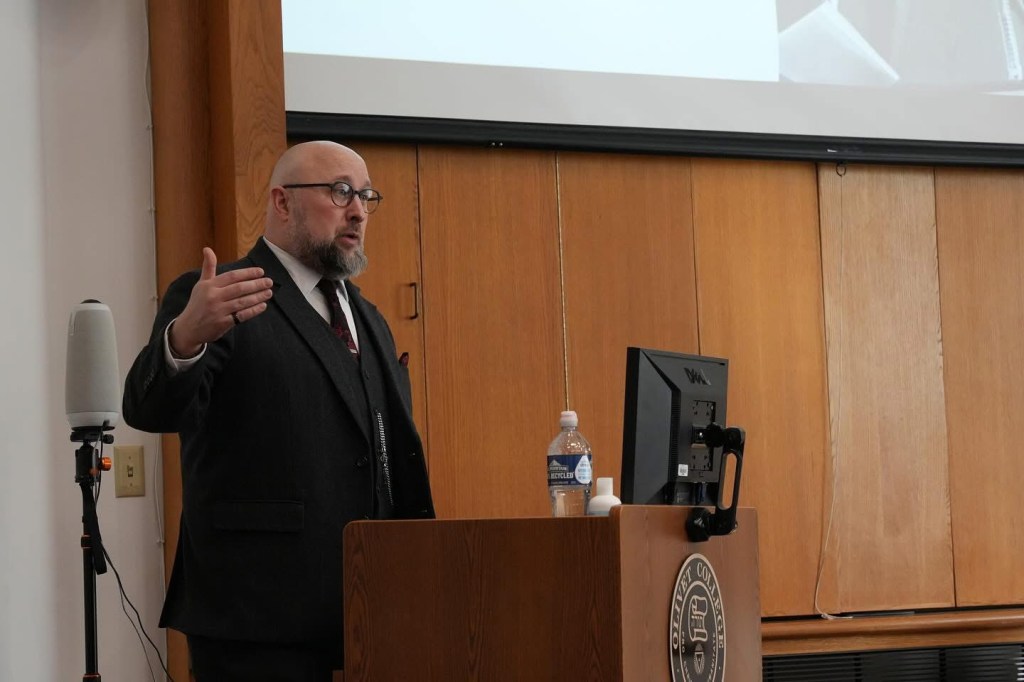
On February 21st, 2025, we remembered the anniversary of Malcolm X’s 1965 assassination at The University of Olivet, at my annual Malcolm X Lecture Series. For an audience of students, faculty, and administrators, I gave a presentation entitled, “Remembering Malcolm X in an Age of Crisis: 5 Lessons from a Revolutionary Life.” In this presentation, I focused on what we can learn from Malcolm X’s own life in a time of social disintegration, racial and religious antagonisms, and political-economic strife, and how we can apply those lessons to our own time, as we experience the rise of populist parties and figures, attempting to negate the progress that has been made in Western society. This event was sponsored by the Department of Arts and Humanities at UO.

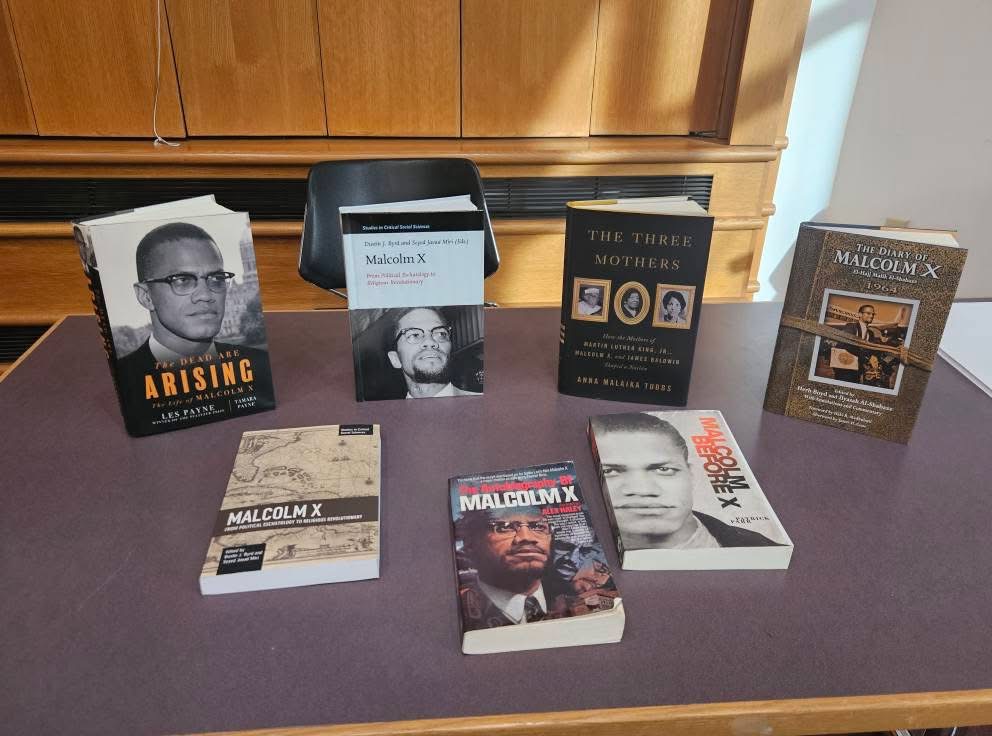
Some years ago, Seyed Javad Miri and I edited a volume of essays on Malcolm X, which is available through Haymarket Books: Malcolm X: From Political Eschatology to Religious Revolutionary. Get your copy now!

The Authoritarian threat to Democracy: a discussion with Rudolf J. Siebert

On February 1st, 2025, I had the opportunity to sit down with Dr. Rudolf J. Siebert, critical theorist of religion and society, and Professor Emeritus at Western Michigan University, to discuss the ongoing threat to democracy posed by right-wing authoritarian movements and figures. Dr. Siebert is not optimistic, seeing that – at least in America – we’ve already moved into an authoritarian stage of development, and that “anocracy,” the combination of democracy and authoritarianism, is not possible. This discourse was sponsored by the Institute for Critical Social Theory and Ekpyrosis Press.

Institute for Critical Social Theory – Inaugural Conference, 2025

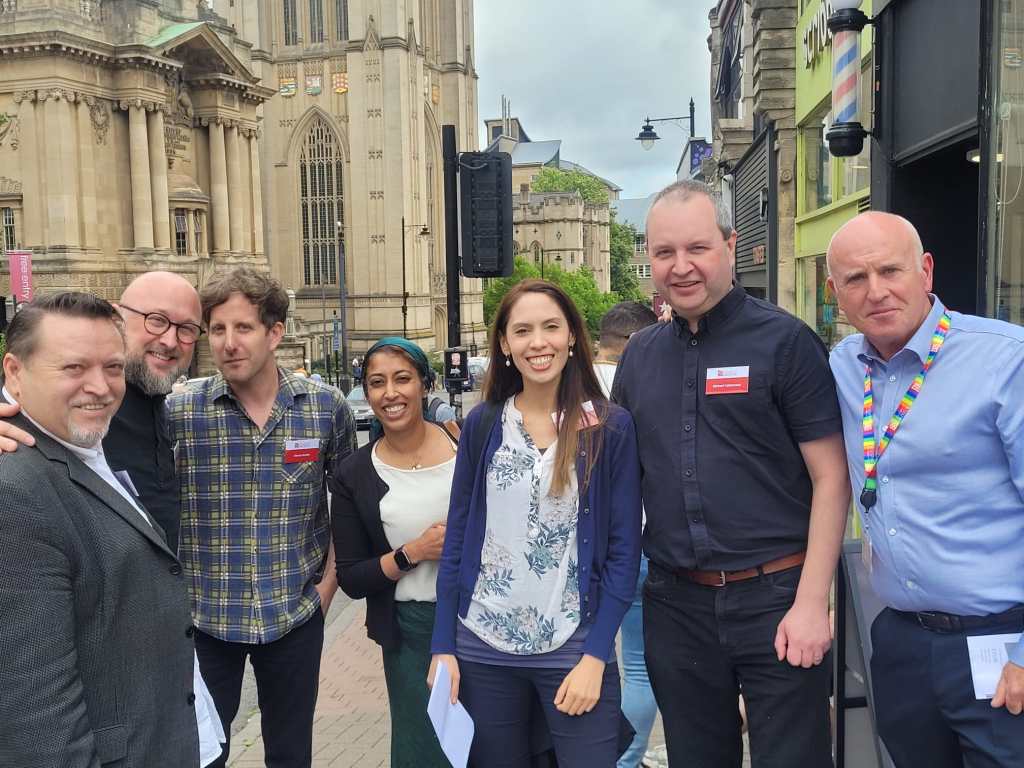
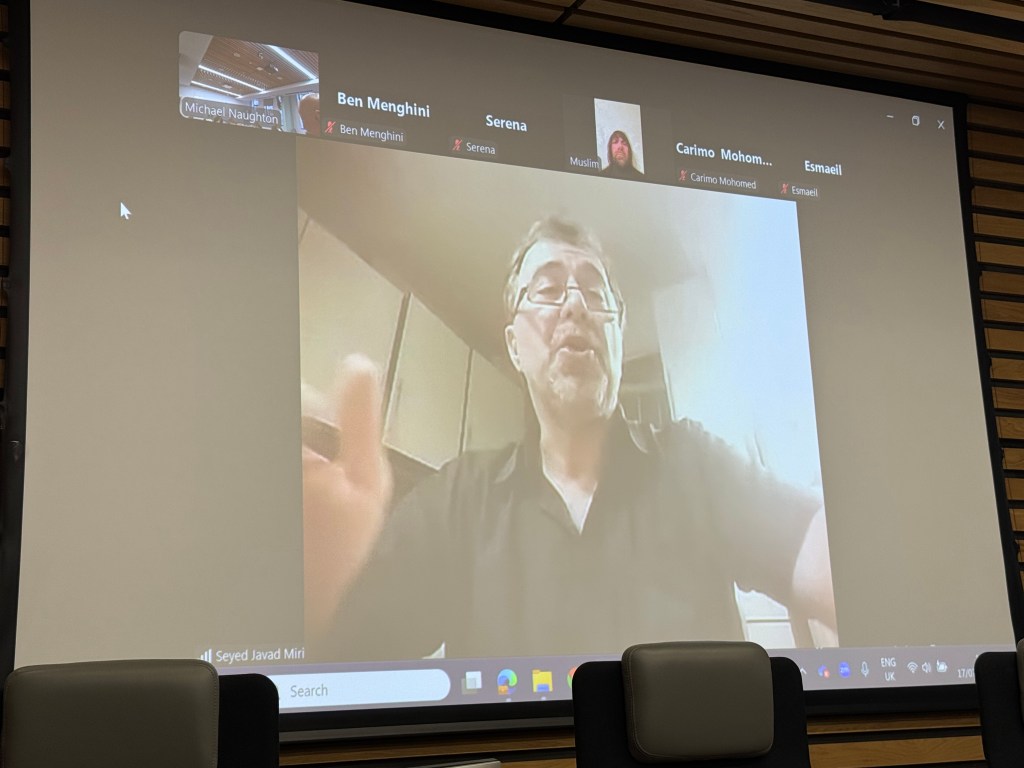
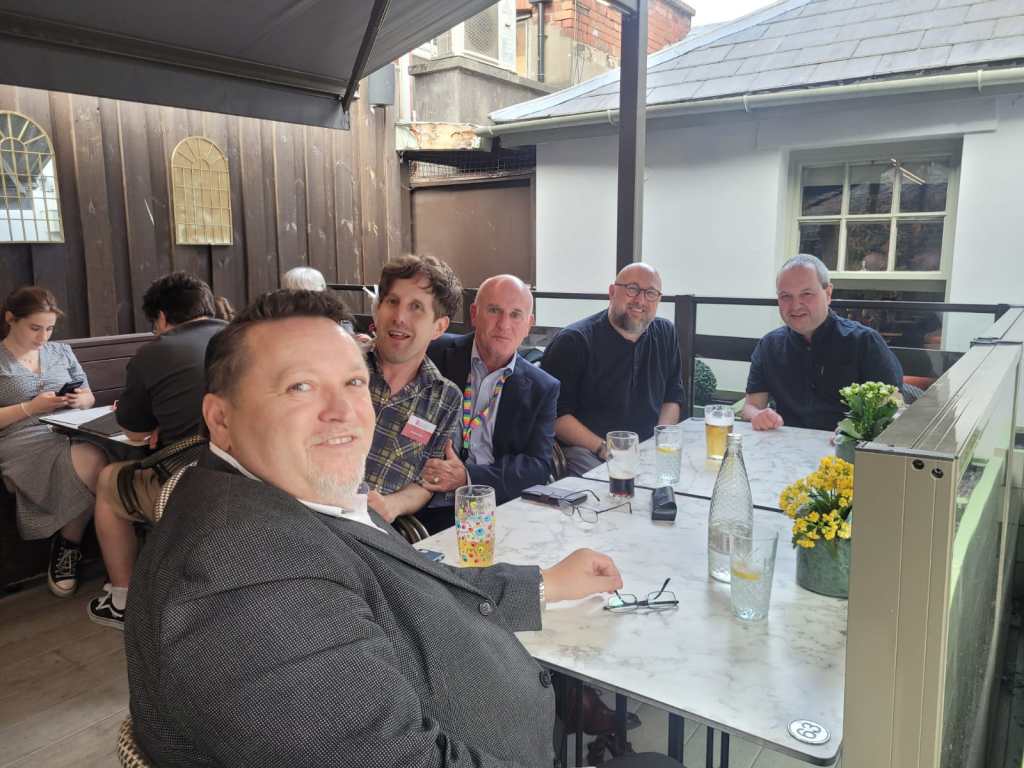
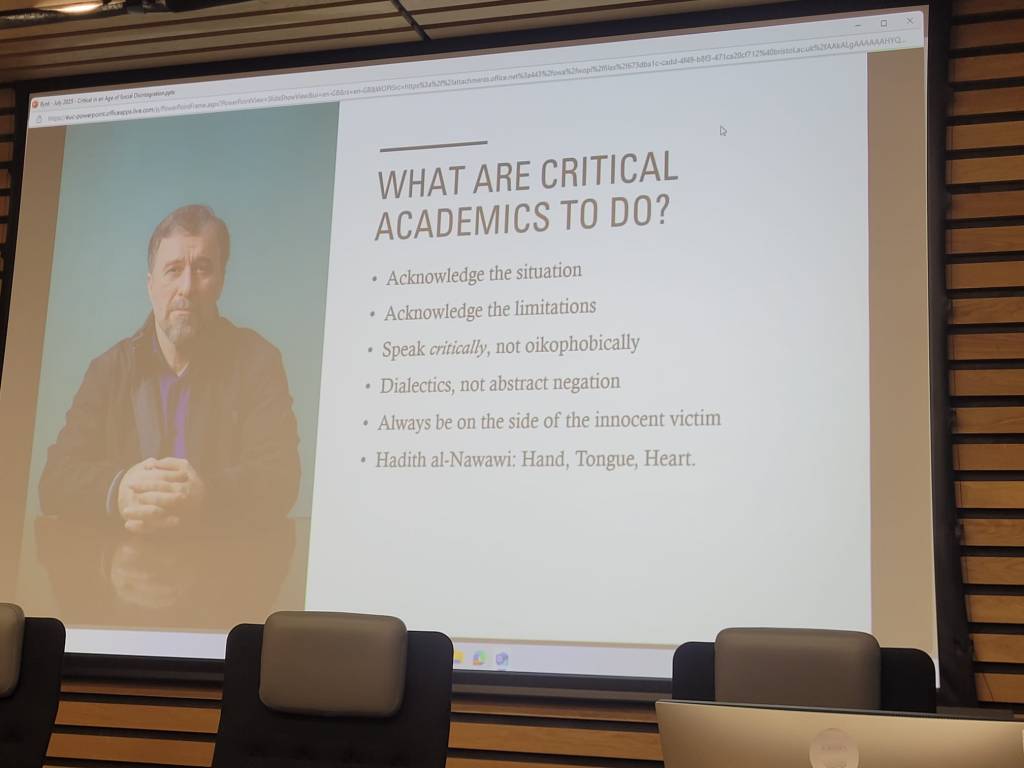
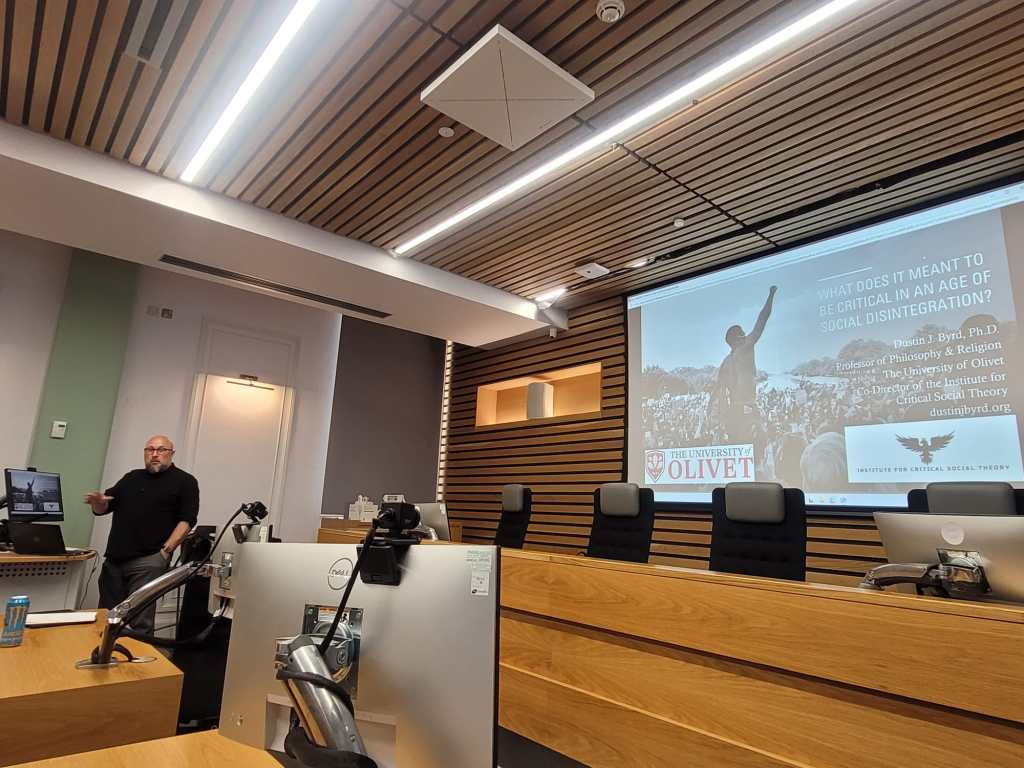
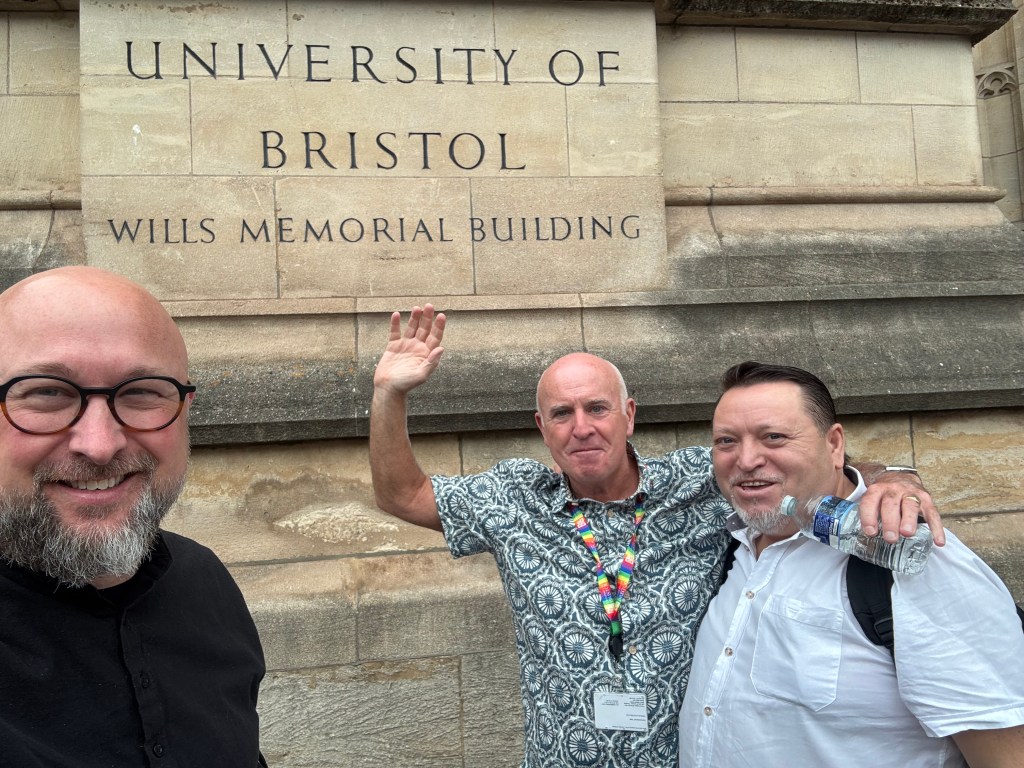
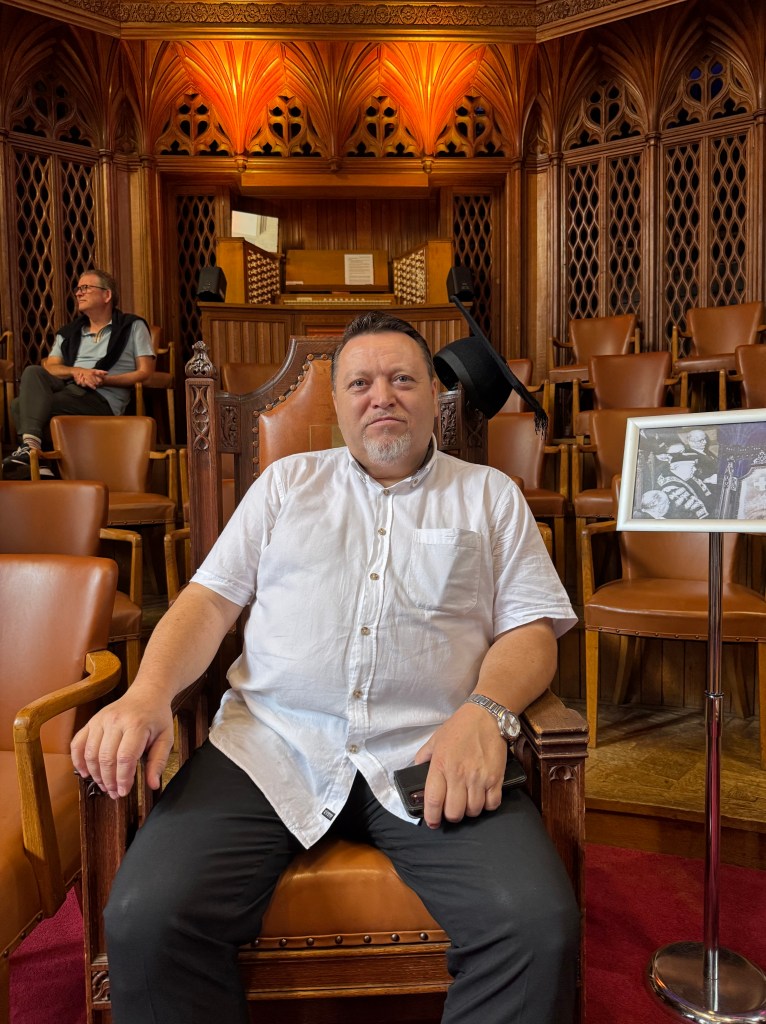
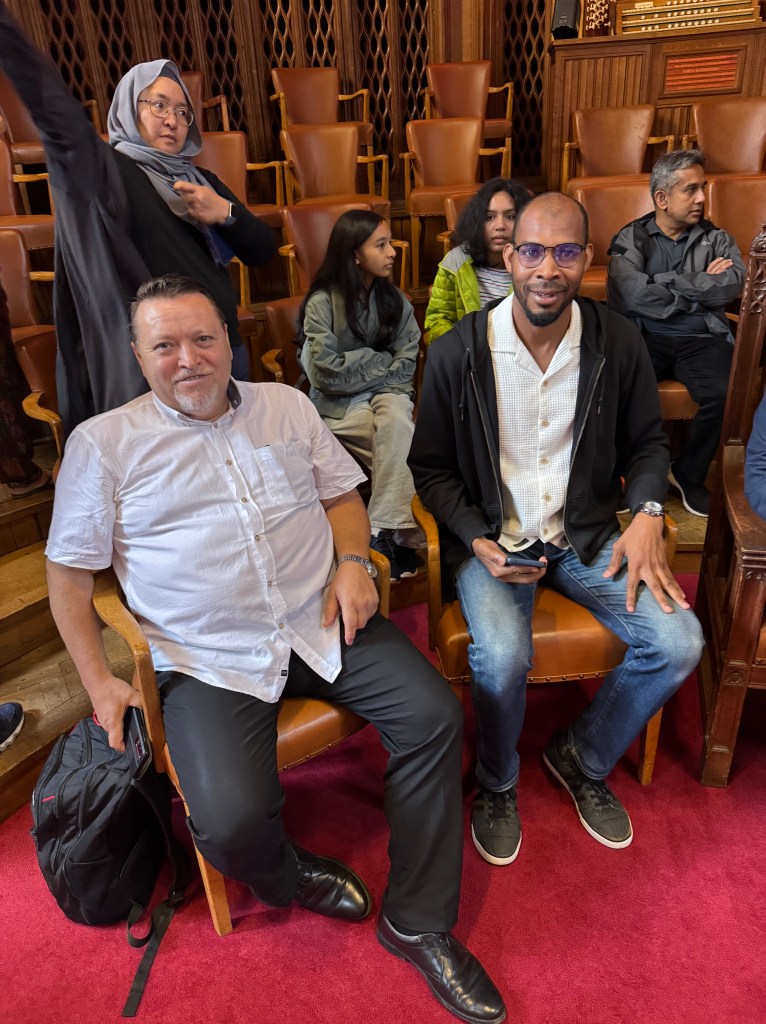
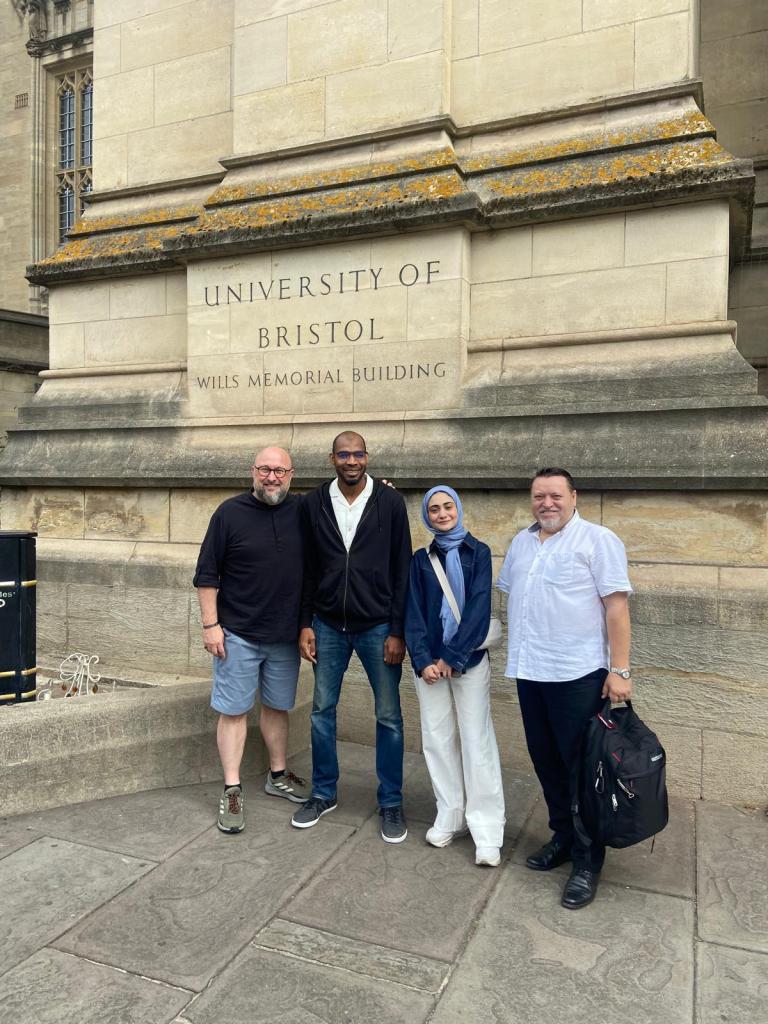
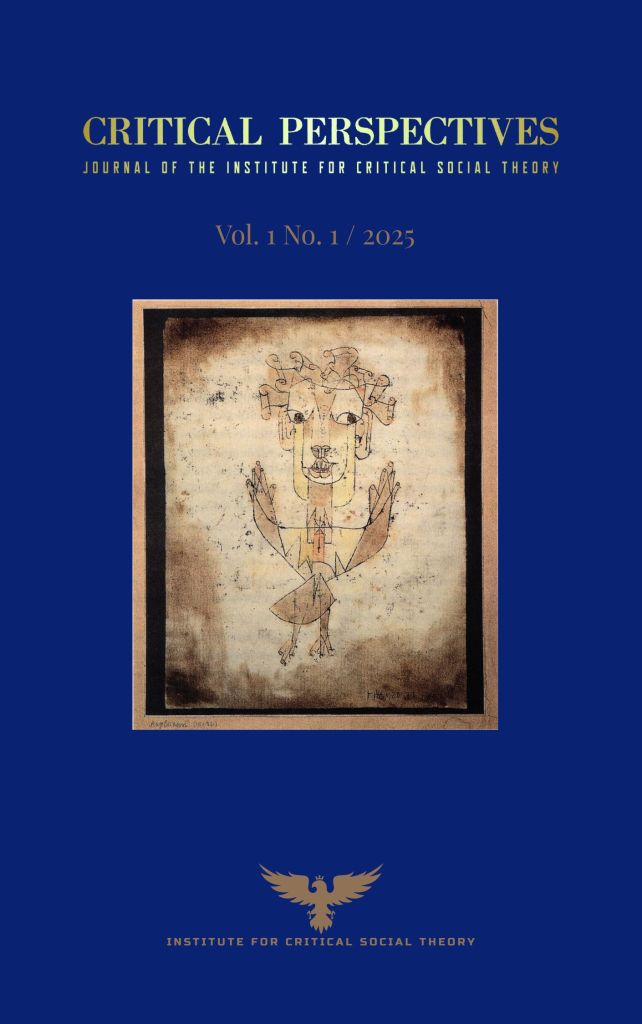
Come join the Institute for Critical Social Theory at our inaugural conference, July 17-19, 2025, at Bristol University (UK). Seyed Javad Miri and I are the plenary speakers in this three day conference. Our conference theme is “Critical Theory in an Age of Social Disintegration.” The Call for Papers is below, or visit us at the ICST website: Institute for Critical Social Theory.

Talking Christian Nationalism in Scotland

On January 9th and 10th, I had the wonderful opportunity to participate in the “Whose Christianity Anyway: Theological Contestations in the Public and Political” conference at New College, School of Divinity, University of Edinburgh in Scotland. My presentation was entitled, “From the Cold War to the Warm Embrace: Russian Church-State Symphonia as a Template for the Re-Christianization of the United States.” The presentation sparked an excellent conversation about the nature of Christian Nationalism, why in particular the Russian model of “Symphonia” appeals to American Christian Nationalists, and the important differences between American Christian Nationalists and the Russian Orthodox Church. Our two keynote speakers, Jan-Werner Müller (Princeton) and Mariëtta van der Tol (Cambridge), gave very insightful presentations. A big thank you goes out to Thiu Elias and Stephen Dolan for all their hard work organizing the conference, and The University of Olivet for their financial support.

On the 11th of January, I was able to spend some time in Edinburgh as a simple American tourist, seeing numerous important landmarks, such as the Edinburgh castle, Victoria Street, Greyfriars Church and Kirkyard, and St. Giles Cathedral (where old fuss-and-feathers John Knox preached). Below are some pictures from the journey.

NOW AVAILABLE: Ali Shariati: Critical Social Theory and the Struggle for Decolonization

Ali Shariati: Critical Social Theory and the Struggle for Decolonization, edited by Dustin J. Byrd and Seyed Javad Miri

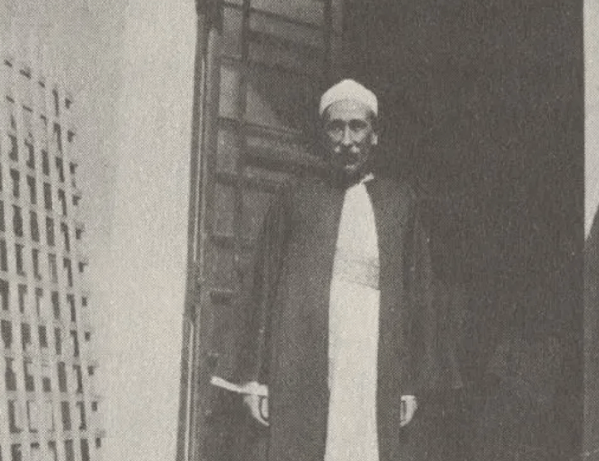
Ali Shariati (1933-1977) is best known as a “revolutionary theorist,” closely connected to Iran’s Islamic Revolution of 1979. While his social, political, and religious thought was deeply influential in those turbulent times, Shariati was much more than a political ideologue. A scholar of religion, philosophy, and sociology, Shariati was fluent both in Western and Islamic thought, which allowed him to create some of the most penetrating “critical” thought in the 20th century, applicable to both the West and the dār al-Islām. While he remains controversial inside his home country, his influence has grown beyond its borders. Today, contemporary theorists are returning to Shariati’s written works, seeing his voluminous writing as a precursor to the decolonization movement, which seeks to emancipate the non-Western world from the vestiges of Western colonial domination. In many ways, Shariati laid the foundation for such emancipatory work through his own struggle against the Shah of Iran and the clerical establishment that supported the status quo. This collection of essays returns to a variety of the Shariati’s core concepts, as it seeks to interrogate them, revitalize them, and engage our own age of strife through these Shariatian perspectives.

Contributors: Dustin J. Byrd, Seyed Javad Miri, Joseph Alagha, Esmaeil Zeiny, Vahideh Sadeghi, Bijan Abdolkarimi, Raewyn Connell, Carimo Mohomed, Tanveer Azamat, Teo Lee Ken, Milad Dokhanchi, Fatemeh Shayan, Ali S. Harfouch, M.S. Kolbadi, and Mohammad Masud Noruzi.

Available on the Ekpyrosis Press website: Ali Shariati

Available on Amazon (US): Ali Shariati

Available through Lulu (US & International): Ali Shariati

Blog at WordPress.com.

Up ↑