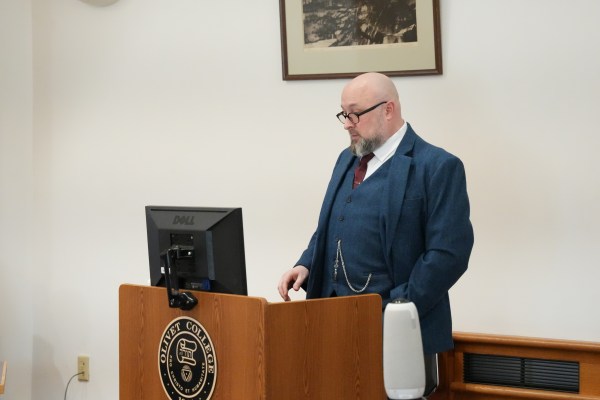
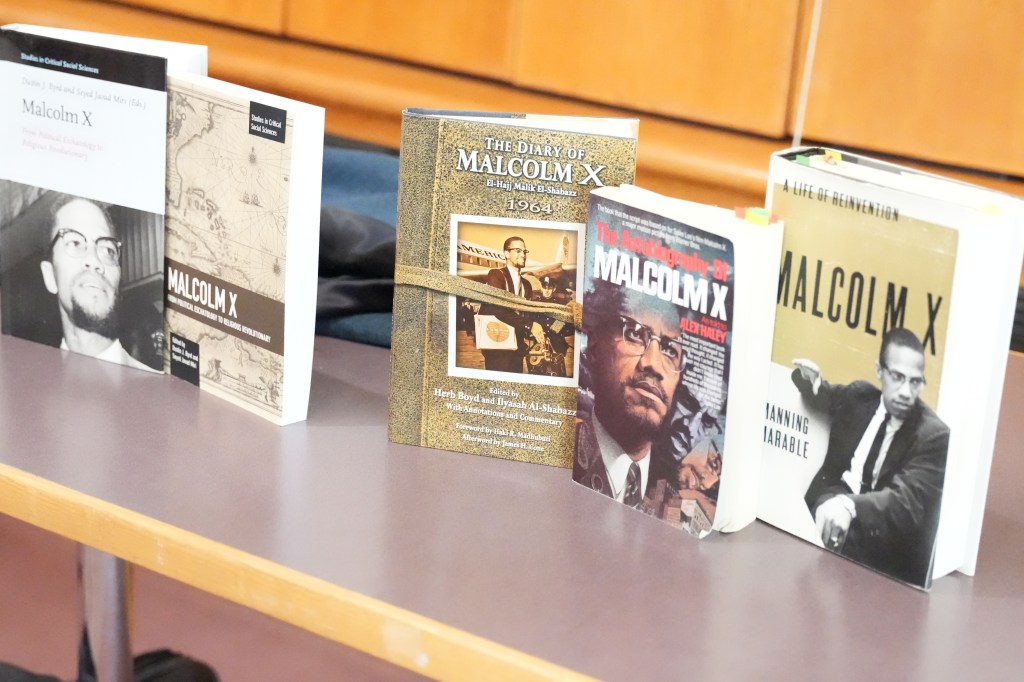
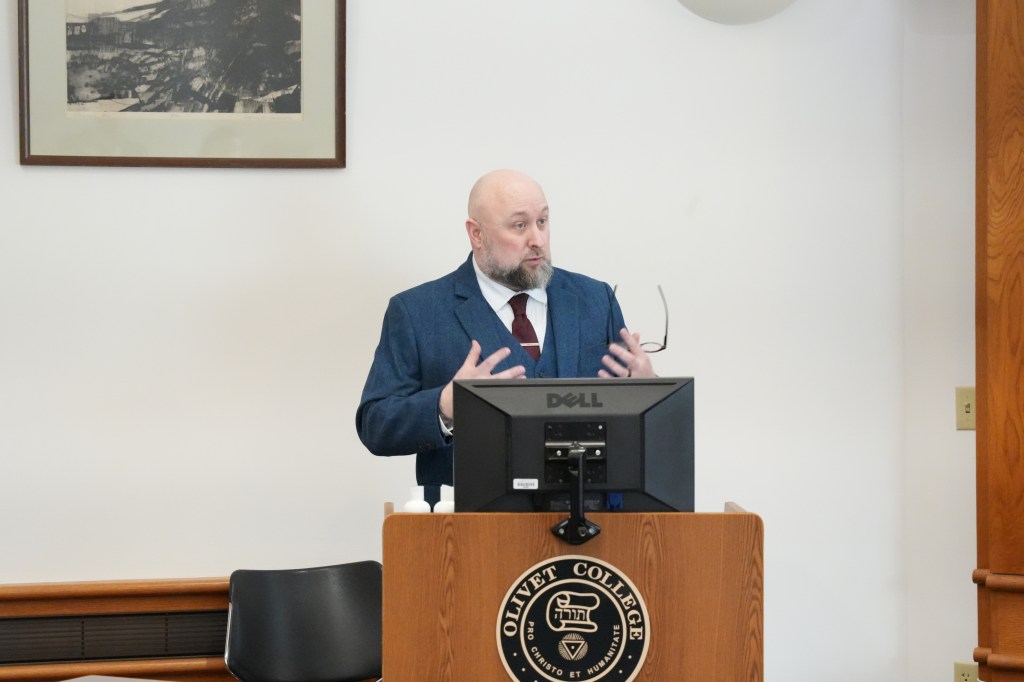
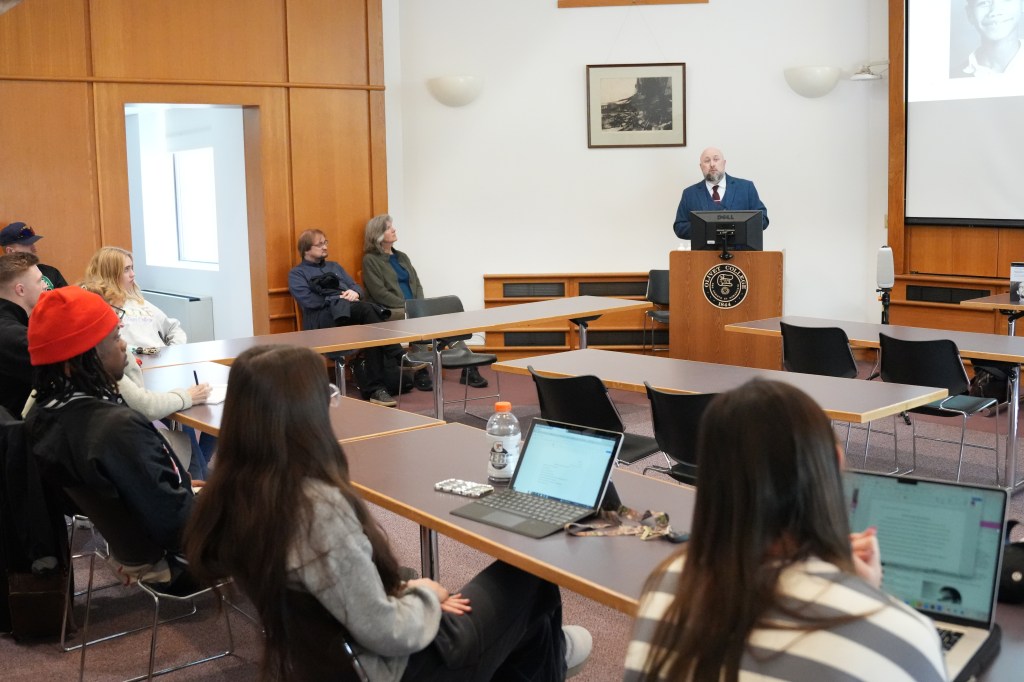
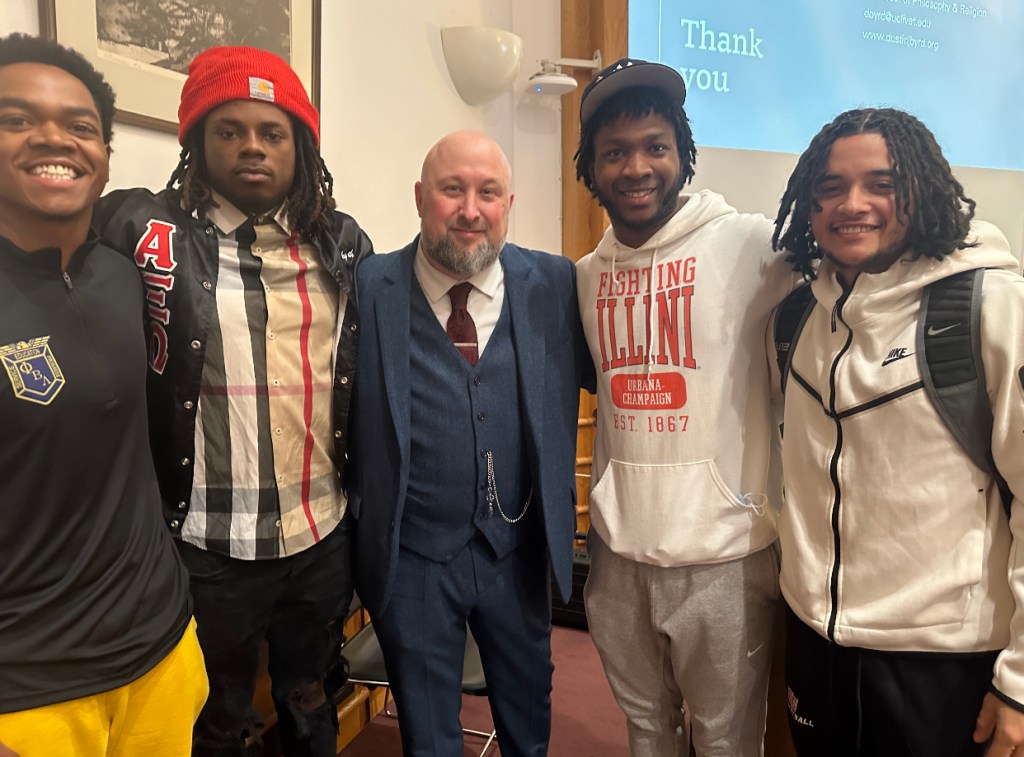
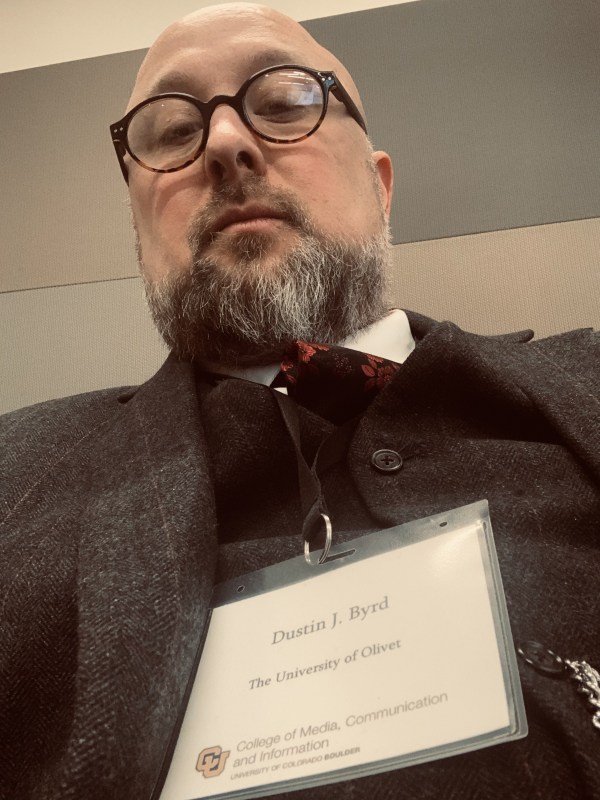
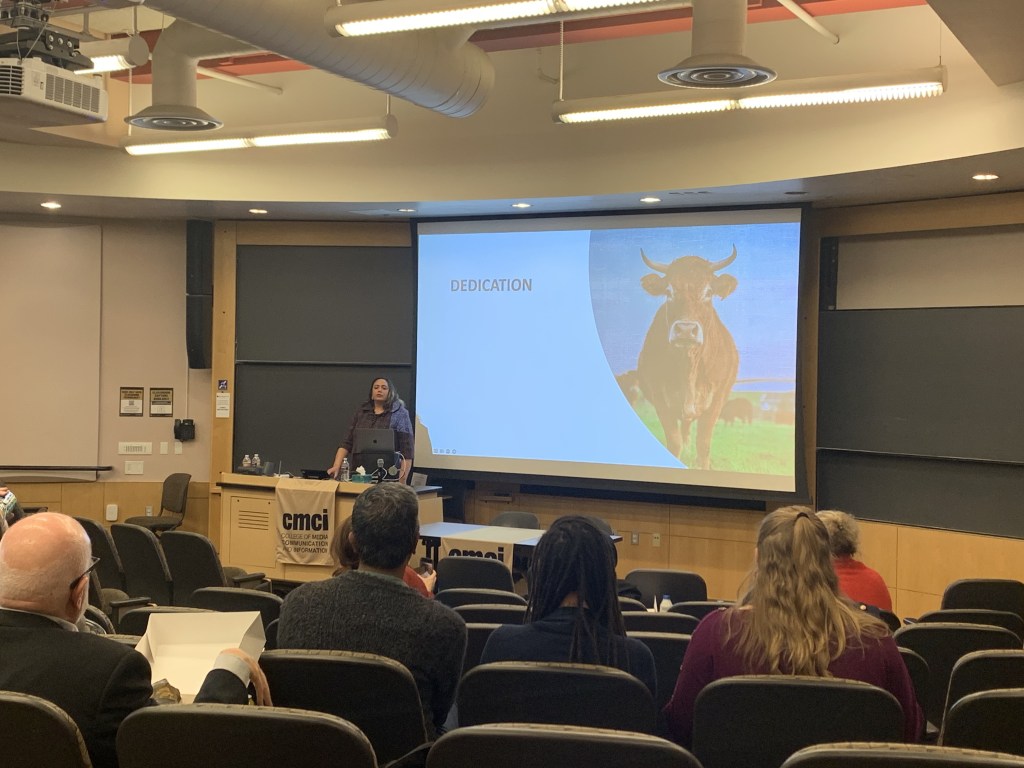
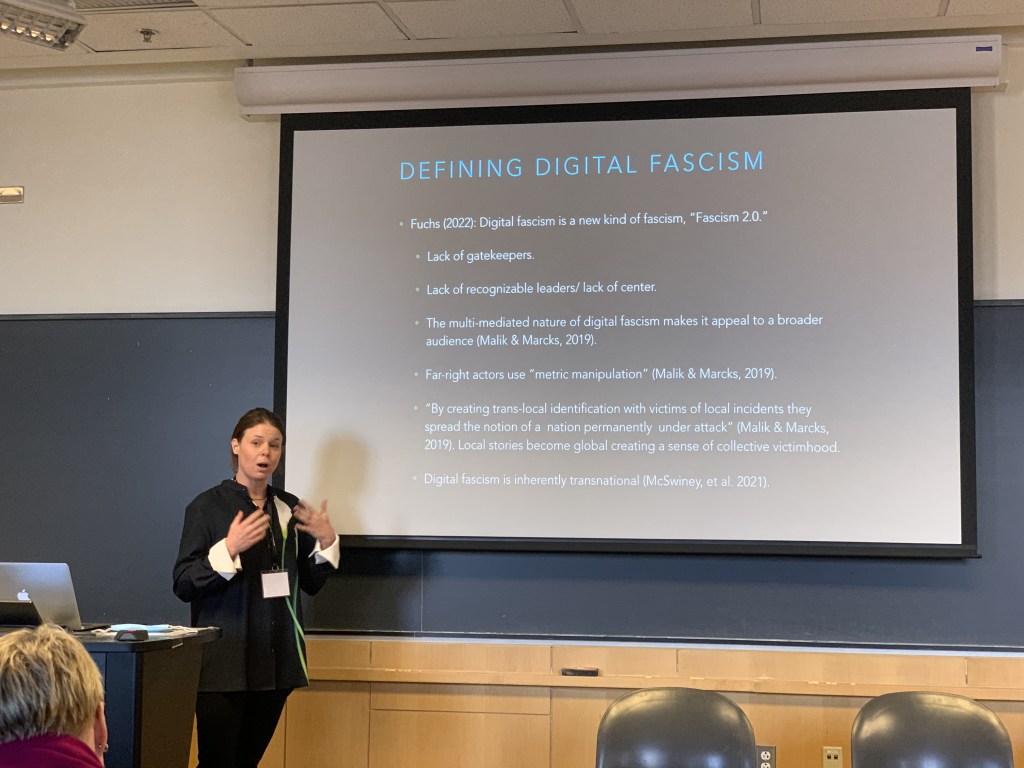
On January 12th, 2024, I had the great pleasure of presenting my work at the “Fire on the Mountain” conference at the University of Colorado-Boulder, sponsored by the Center for Media, Religion, and Culture. My presentation was on the Neo-Eurasianism of Alexander Dugin and the temptation is presents for many on the Left, who, like Alexander Dugin, are critics of the Neo-Liberal hegemony, but are unaware of the fascist roots of Dugin’s philosophy. The presentation was well received and we had a fruitful discussion afterwards. While it was bitterly cold, the fires of academic inquiry kept us warm! Much gratitude to Nabil Echchaibi for organizing the conference and CU-Boulder for hosting it.
On September 9th, 2023, I had a wonderful opportunity to discuss the life, work, and long friendship between the Catholic theologian, Gregory Baum, and the critical theorist, Rudolf J. Siebert. Gregory was born in Berlin but emigrated to Canada during World War II. While coming from a Jewish family, he eventually converted to Catholicism and became a Catholic priest, after reading St. Augustine’s Confessions. Along with Johannes Baptist Metz and Hans Küng, Baum was a a “peritus,” or theological advisor during the Second Vatican Council, where he was instrumental in rewriting the church’s relationship with the Jews – no longer calling for their conversions. He was also very interested in the Critical Theory of Religion, as developed by the Frankfurt School.
Baum passed away in October of 2017 in Canada. He was a prolific writer, scholar, and speaker, and a long-time friend of my doktorvater, Rudolf J. Siebert. I hope you all enjoy the discussion.
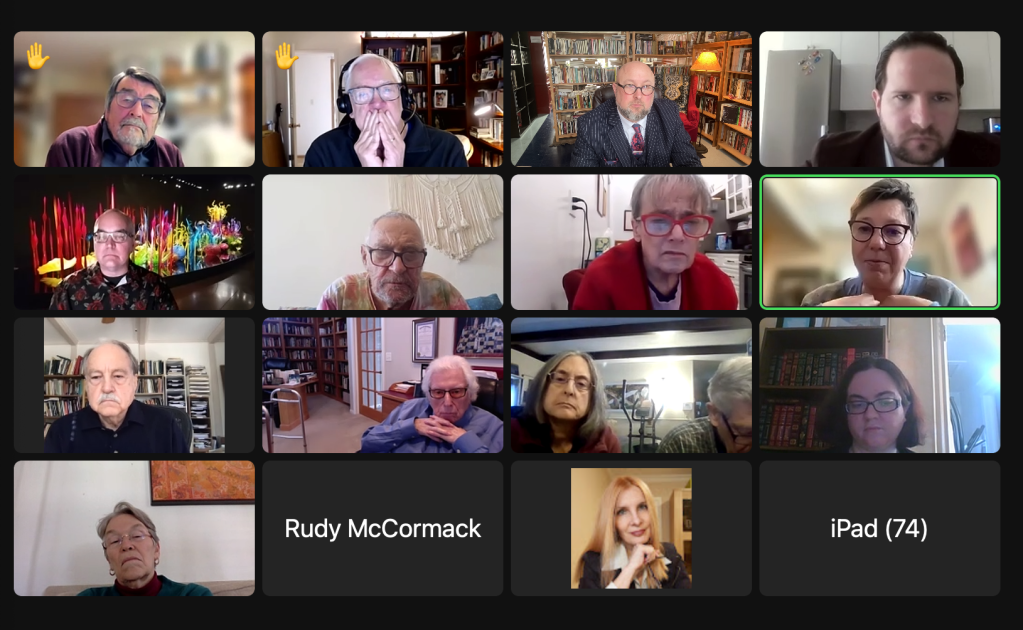
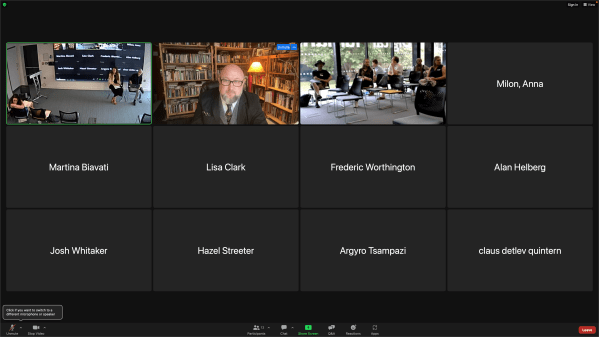
On September 7th, 2023, I have the wonderful opportunity to share my work on Russian apocalyptic political thought at the Apocalyptic Times: Spirituality in Global Revolt conference at the University of Exeter in the UK. Unfortunately, I couldn’t be physically at the conference, so I joined them through the magical world of Zoom! There were excellent questions and discussions on a range of issues regarding Russian thought, Alexander Dugin’s Neo-Eurasianist fascism, nuclear apocalyptic thought, and so on. I would especially like to thank Iona Ramsey for all the hard work she did organizing this conference. It was my honor to present at it. See the video below:
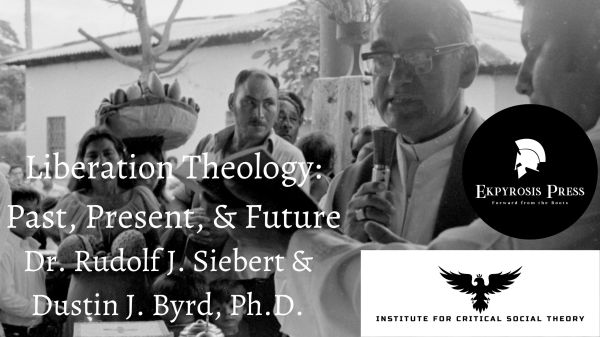
On June 28th, 2023, I had the opportunity to discuss the topic of Liberation Theology with the Critical Theorist and theologian, Dr. Rudolf J. Siebert. We covered many elements of Liberation Theology, including its history, the influence of Marxism and the Frankfurt School on it, as well as the opposition it withstood by the institutional Catholic Church. The discourse was sponsored by Ekpyrosis Press and the Institute for Critical Social Theory.
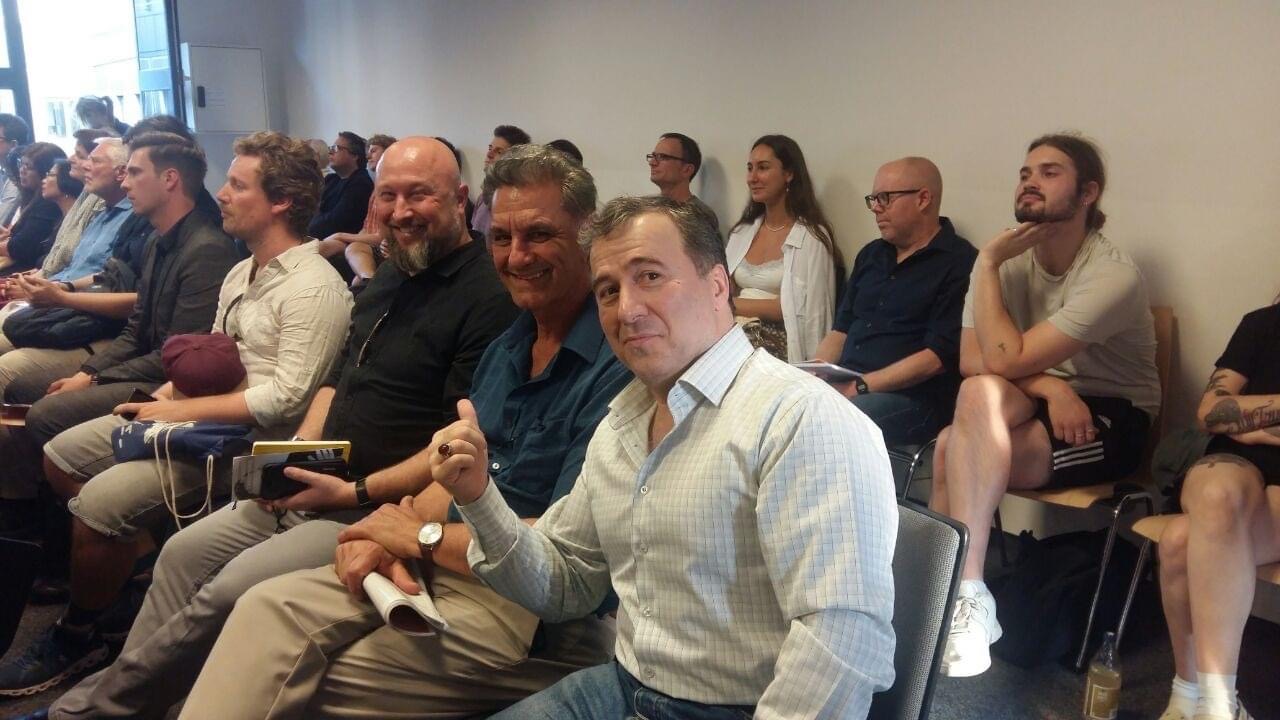
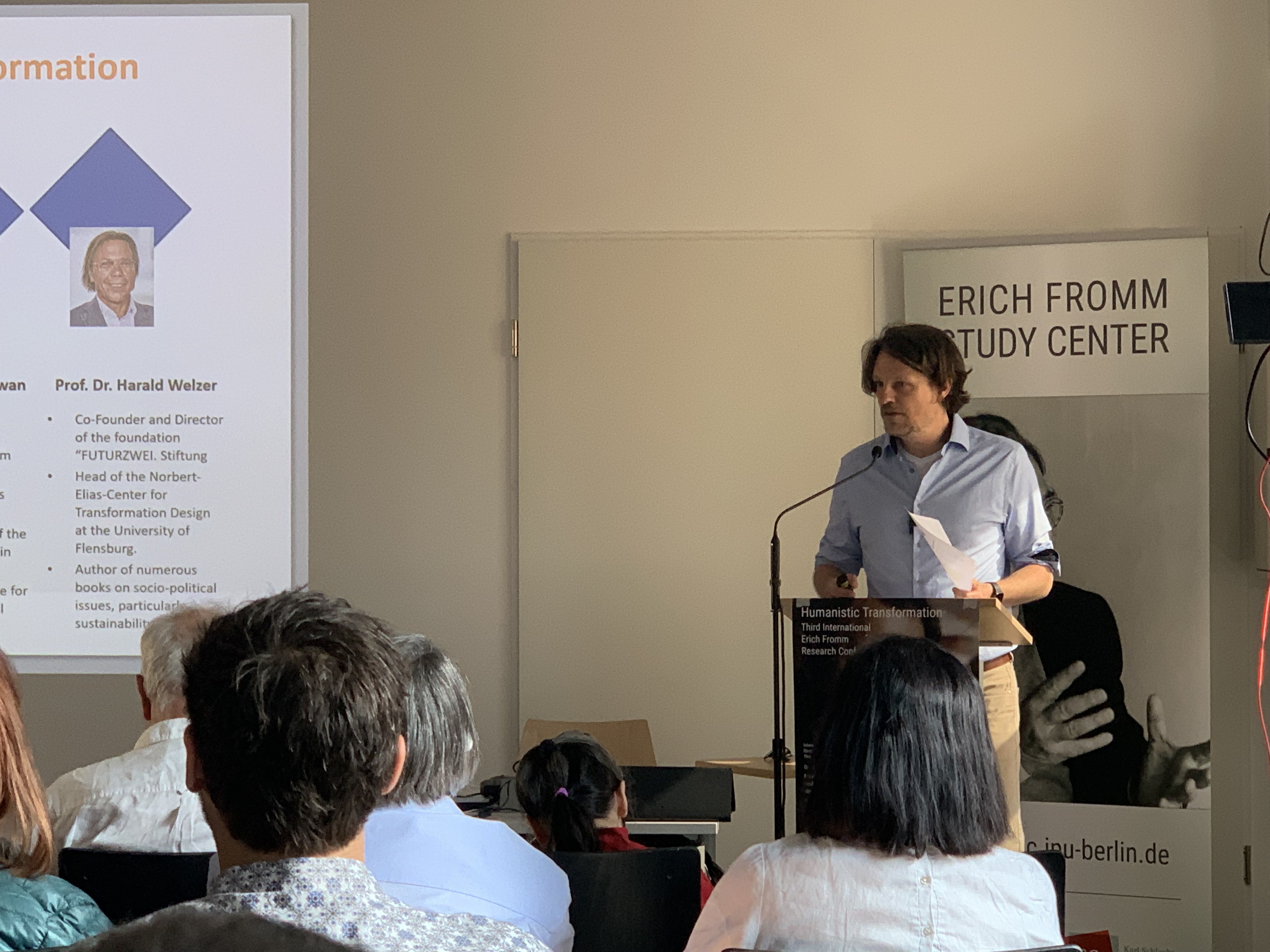
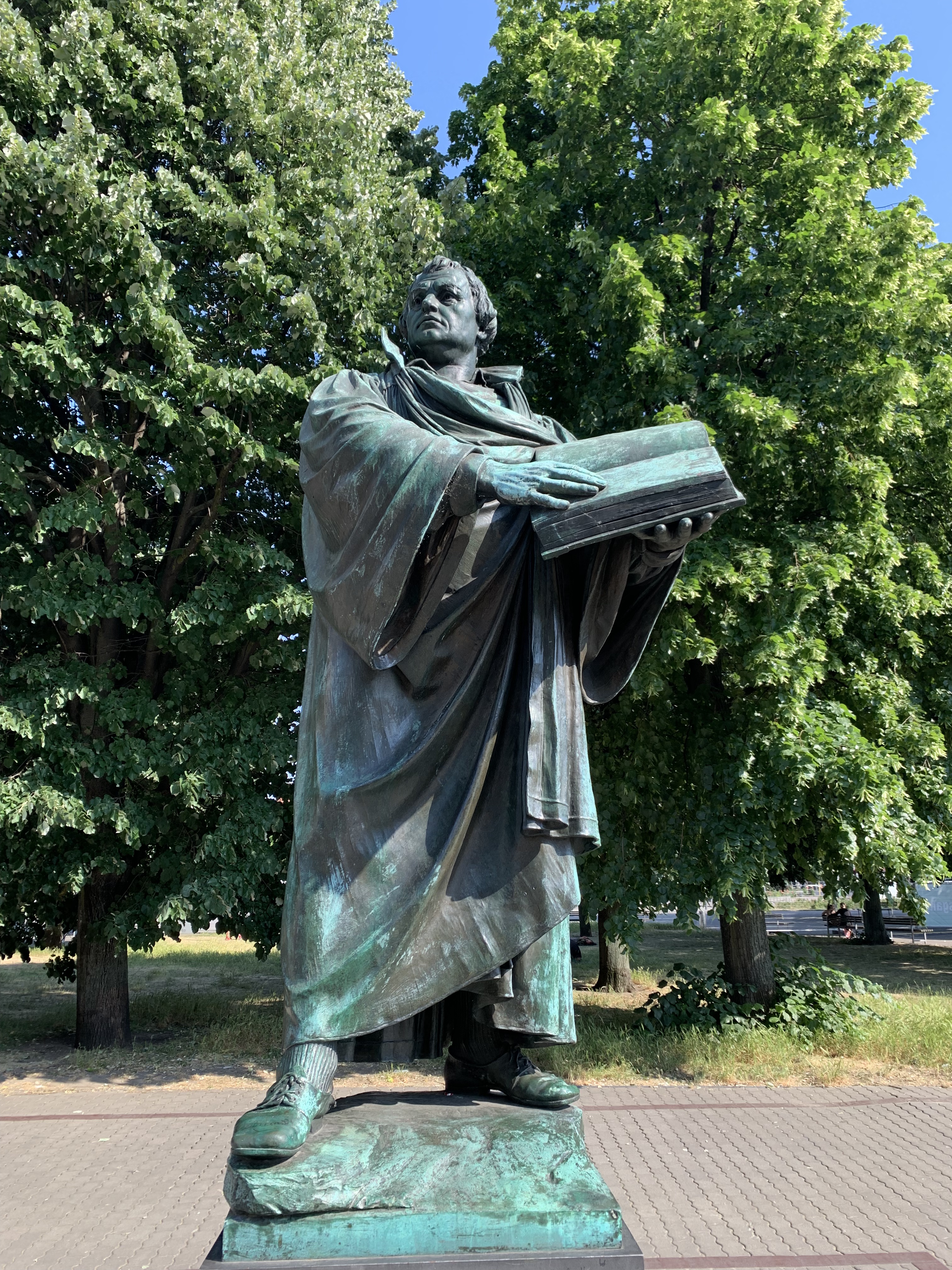
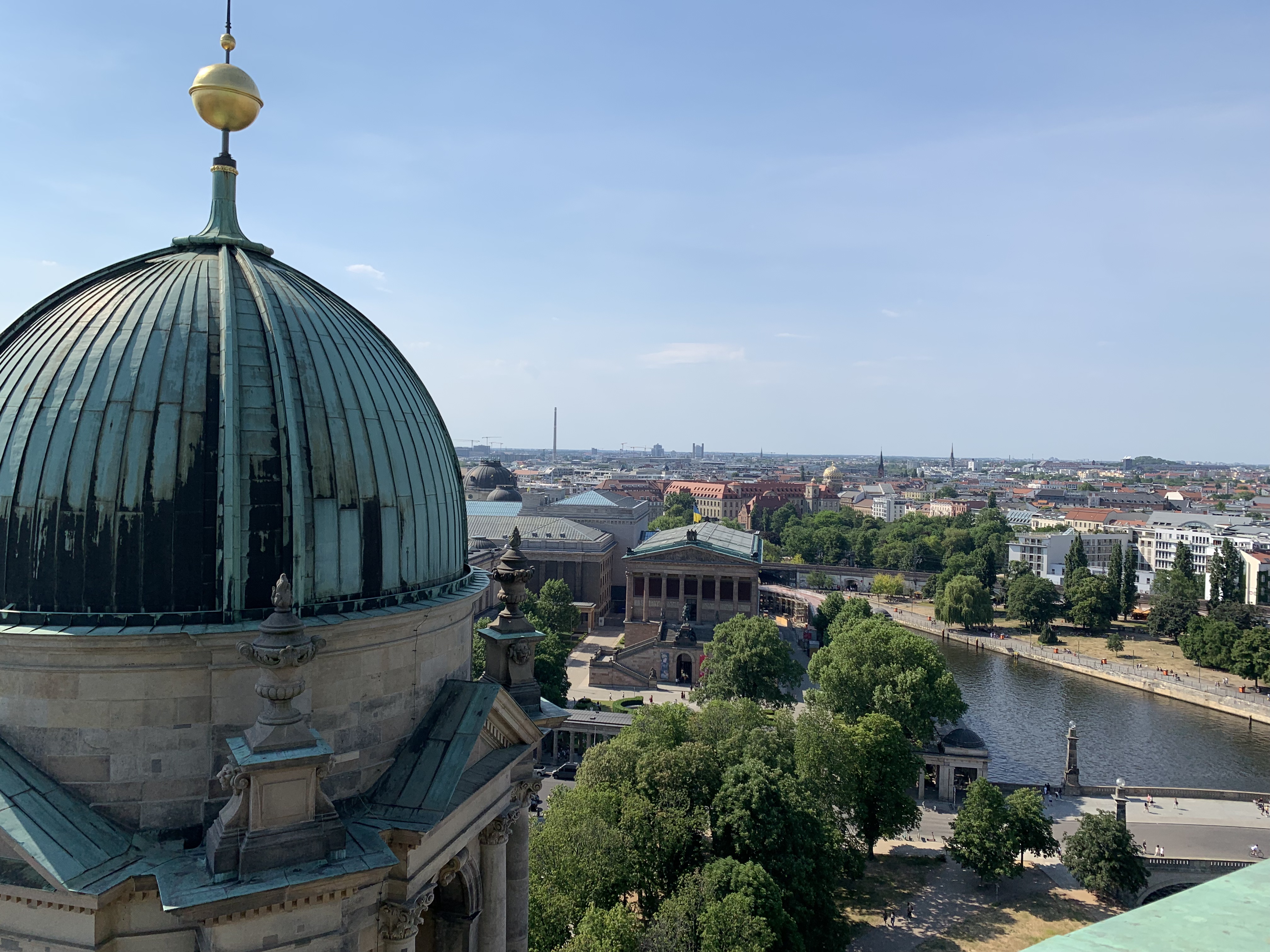
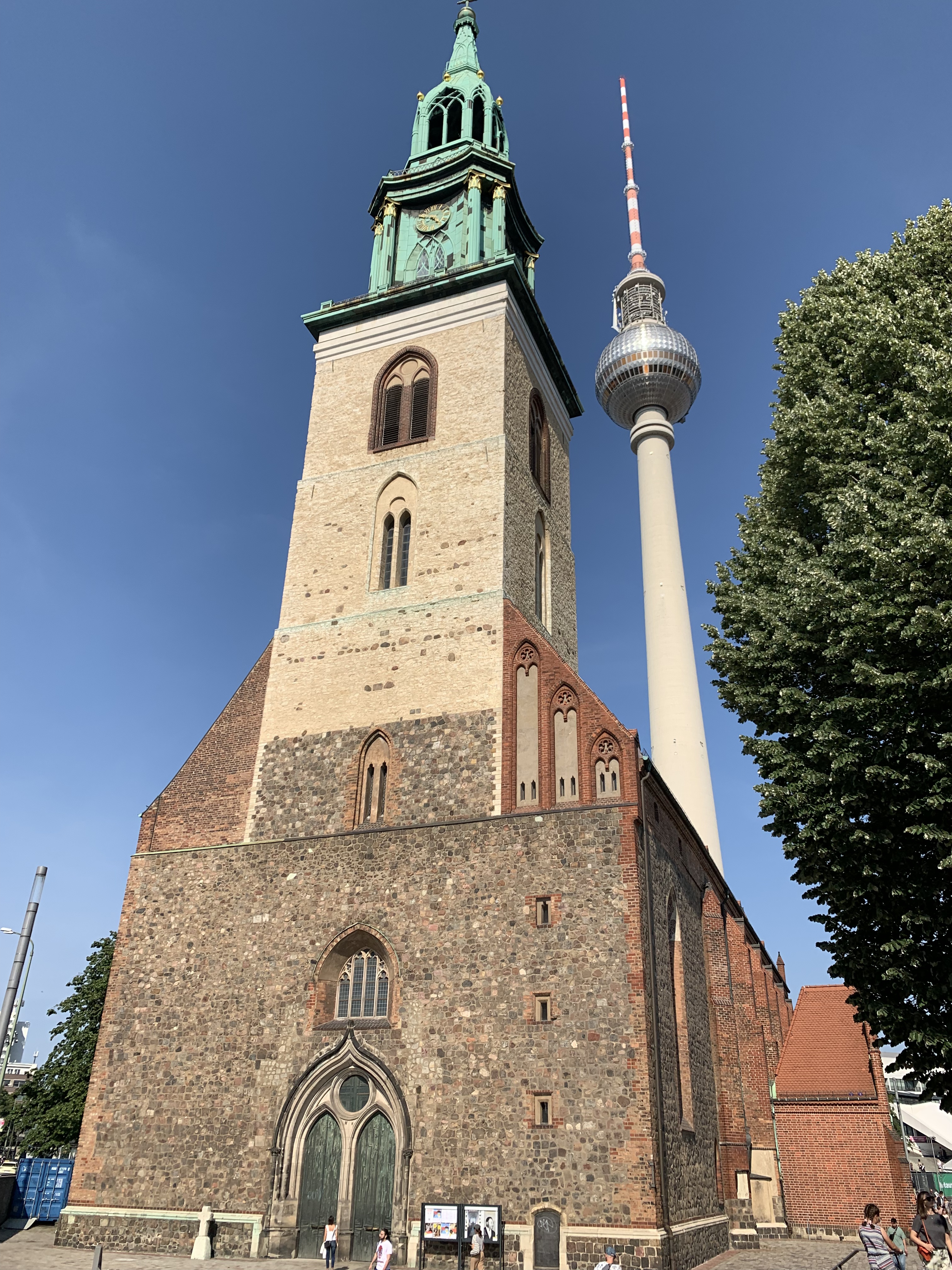
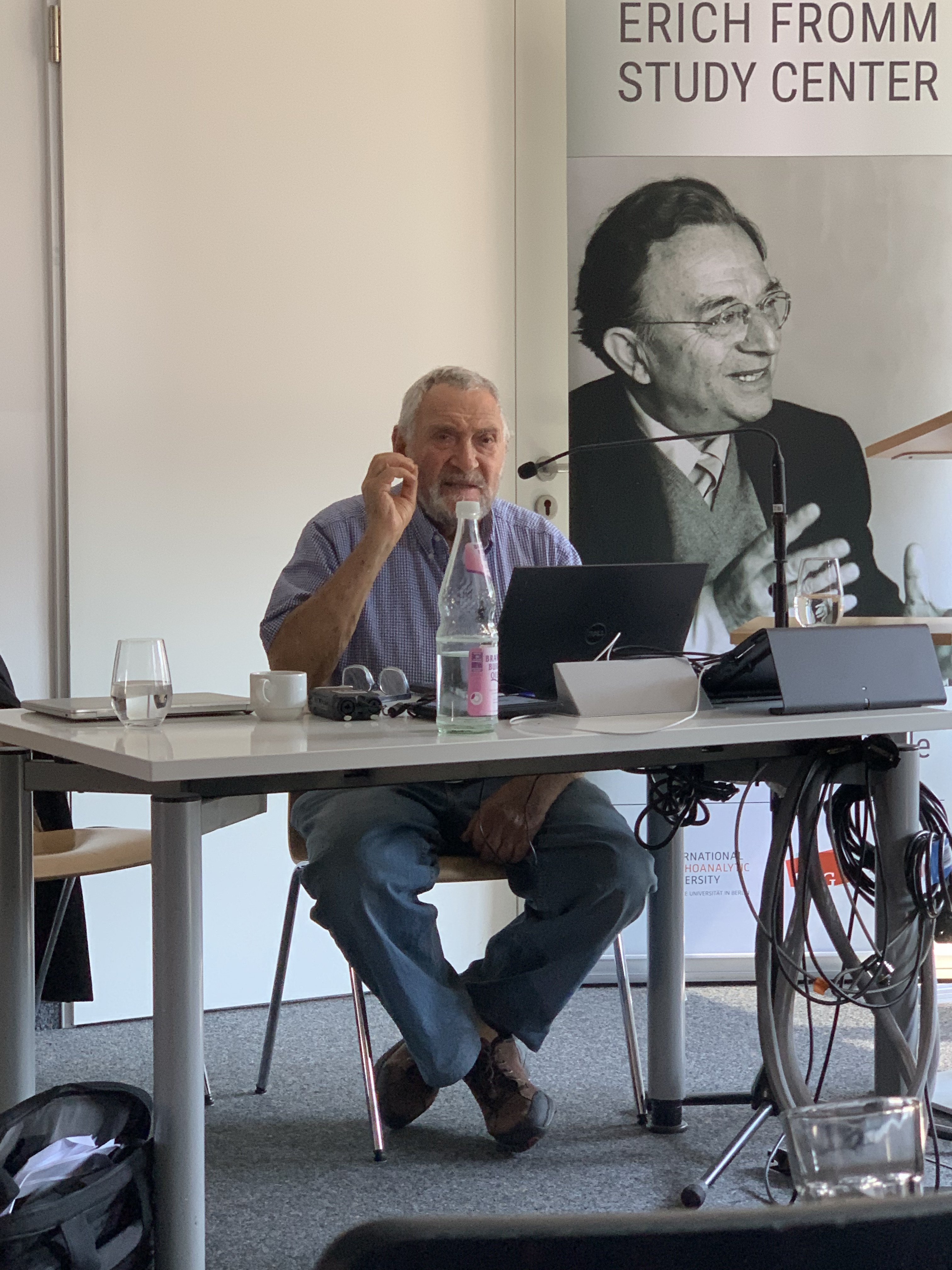
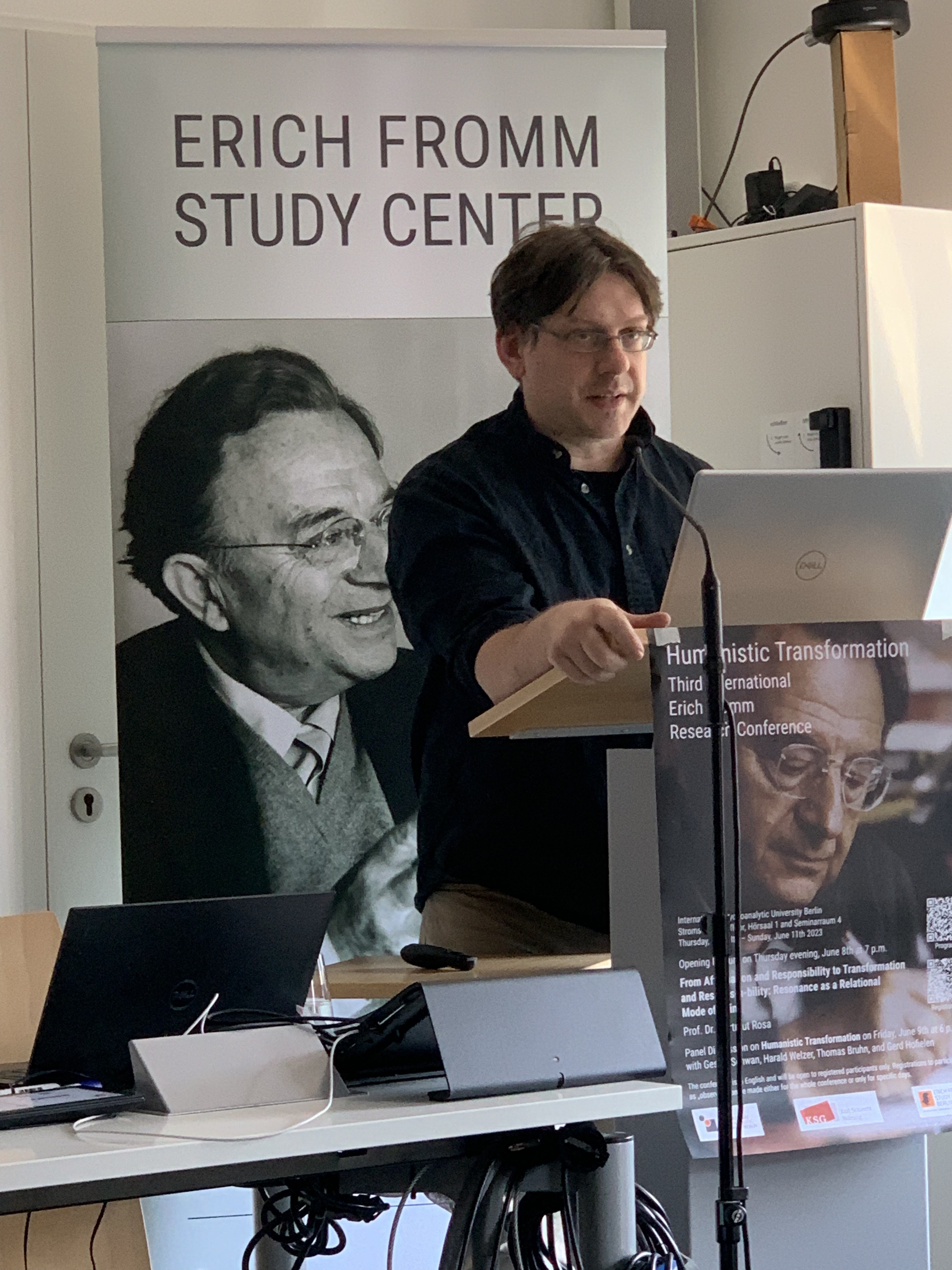
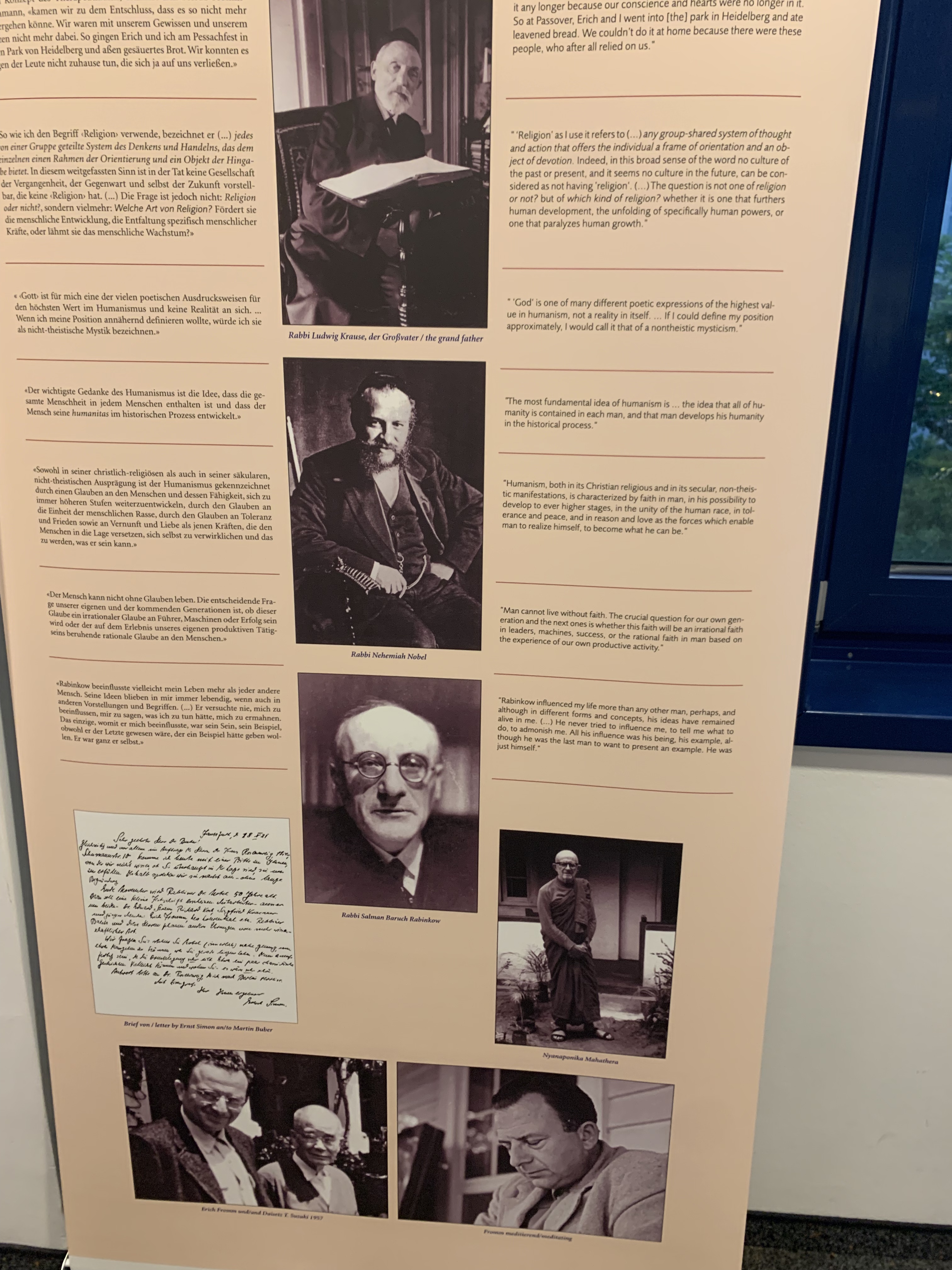
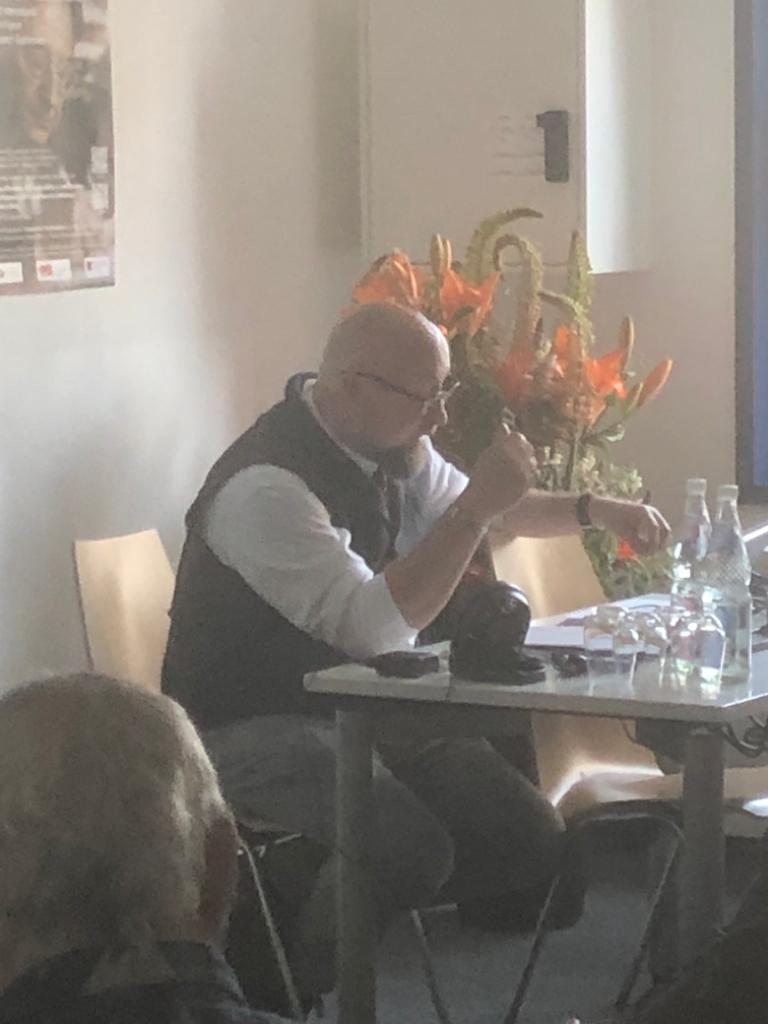
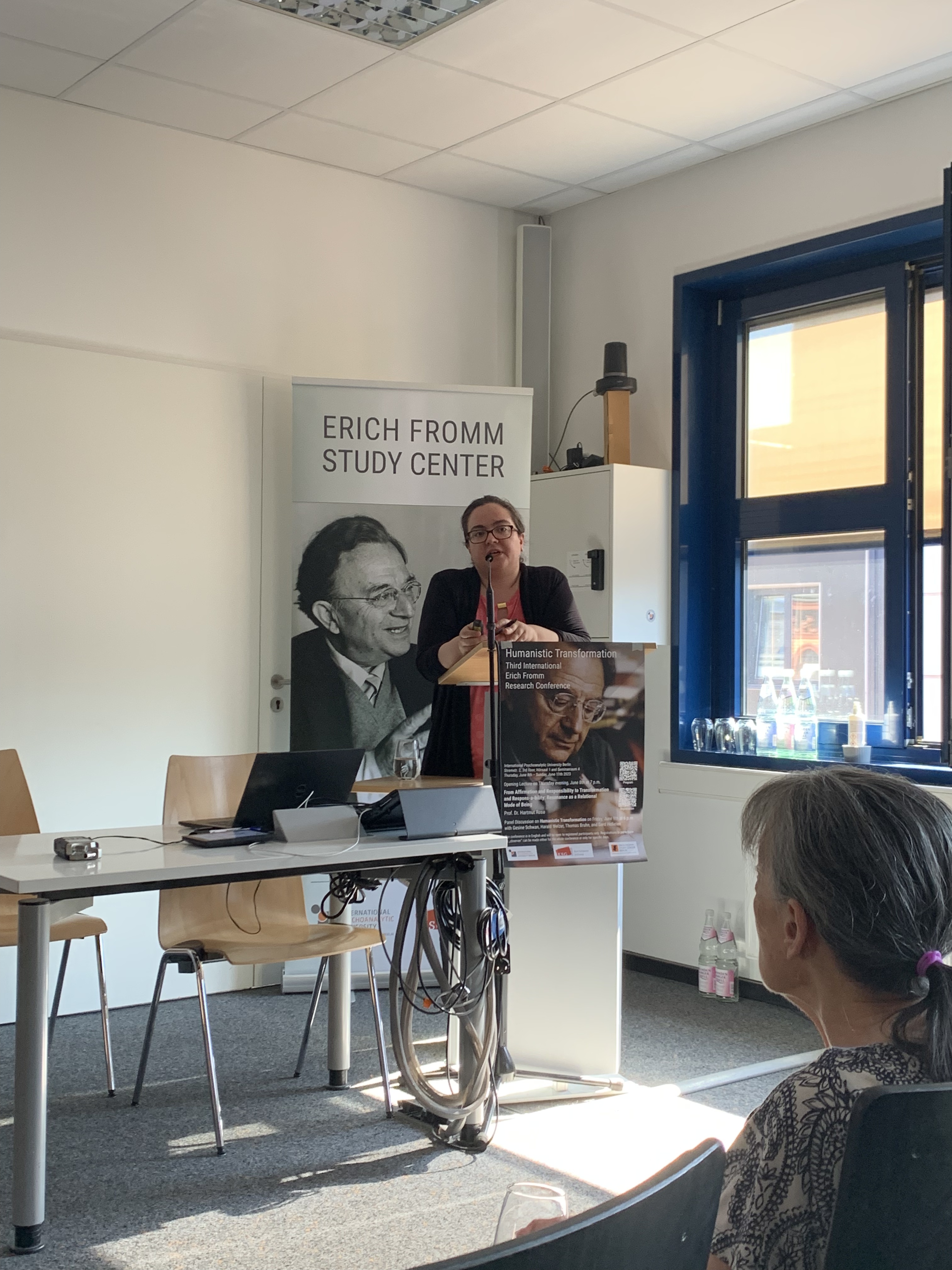
From June 8th through the 11th, I participated in the 3rd annual Erich Fromm Conference, which took place at the International Psychoanalytic University in Berlin, Germany, in the Erich Fromm Study Center, organized by Reiner Funk (seen in the picture above). Our theme this year was on the need for “Humanistic Transformation” of self and society. I presented my work on Saturday, June 10th, regarding Erich Fromm’s dialectical approach to religion, wherein he determinately negates the exterior of Judaism, Christianity, and Buddhism, while rescuing its inner-truths psychoanalytically. My session was well attended and I received some interesting questions from the audience. It is clear that Erich Fromm’s work continues to be a source for critique of capitalist modernity, as well as the once-again rising forms of rightwing authoritarianism, which itself in many ways is a reaction to democratic, capitalist, and globalized modernity. Erich Fromm’s one time assistant, Reiner Funk, presided over the conference, with the help of Thomas Kühn, Hannah Wippermann, Katrin Voigt. I was happy to see some familiar friends, Jeremiah Morelock, Joan Braune, Lauren Langman, and Michael Thompson, as well as my dear brothers and members of the Institute for Critical Social Theory, Seyed Javad Miri, Michael Naughton, and Mehdi Shariati. Seyed Javad Miri gave a master class in how to present one’s work at an international conference; he dazzled the crowd with his presentation on anxiety as a means of growth. Below are some of the pictures from the conference.

I’m please to announce that my latest book on the Frankfurt School’s dialectical approach to Abrahamic religions is now available. The book was published by Ekpyrosis Press, a new publishing house dedicated to dialectical and critical thought. Below is the description of the book:
In his book, The Frankfurt School and the Dialectics of Religion: Translating Critical Faith into Critical Theory, I argue that at the core of the Frankfurt School’s Critical Theory resides a secularized theology. Unlike their predecessors, especially Feuerbach, Marx, Lenin, Freud, and Nietzsche, who argued for an abstract negation of religion, the first generation of Critical Theorists followed Hegel’s logic and attempted to rescue and preserve the revolutionary, emancipatory, and liberational aspects of religion in their own secular non-conformist philosophy. They saw in both Judaism and Christianity certain conceptual and semantic elements that could be enlisted into their struggle for a future reconciled society, one beyond the slaughterbench of history. In order to rescue religion, theological concepts had to go through a process of translation, wherein such materials migrate from the depth of the religious mythos into publicly accessible reasoning, thus making the revolutionary impulse of prophetic religion accessible to the secular world. I also argue that this translation of religion remains relevant to today’s post-secular societies, especially in regard to religious Muslims attempting to find their place in Western countries, which are often hostile to religion and religiosity. Examining the strengths and weaknesses of Habermas’ “translation proviso,” he argues that both religious and secular citizens of the West can learn from the Frankfurt School’s dialectical approach to religion in order to find a space wherein both religious faith and secular reason can not only co-exist, but can also join together in the process of creating a more reconciled future society.
ISBN (Hardcover): 978-1-7350576-3-7 $39.00 (332 pages) Hardcover
ISBN (Paperback): 978-1-7350576-2-0 $28.00 (332 pages) Paperback
Praise for The Frankfurt School and the Dialectics of Religion:
Dustin J. Byrd’s book, The Frankfurt School and the Dialectics of Religion: Translating Critical Faith into Critical Theory, is a comprehensive examination of Horkheimer, Adorno, Löwenthal, and Benjamin’s critical rescue and emancipation of the utopian, transcendent, and non-conforming aspects of Abrahamic religion. Like Hegel before him, Dr. Byrd not only reveals the dialectics of history as expressed in the work of the Frankfurt School, but also determinately negates them in his own work on Islam and Muslims. One cannot find a better expression and expansion of the Critical Theory of Religion today.
~ Dr. Rudolf J. Siebert, Emeritus Professor of Religion and Society at Western Michigan University
In The Critique of Religion and Religion’s Critique: On Dialectical Religiology, Dustin J. Byrd compiles numerous essays honouring the life and work of the Critical Theorist, Rudolf J. Siebert. His “dialectical religiology,” rooted in the critical theory of the Frankfurt School, especially Theodor Adorno, Max Horkheimer, Walter Benjamin, Herbert Marcuse, Erich Fromm, Leo Löwenthal, and Jürgen Habermas, is both a theory and method of understanding religion’s critique of modernity and modernity’s critique of religion. Born out of the Enlightenment and its most important thinkers, i.e. Kant, Hegel, Marx, Nietzsche, and Freud, religion is understood to be dialectical in nature. It contains within it both revolutionary and emancipatory elements, but also reactionary and regressive elements, which perpetuate mankind’s continual debasement, enslavement, and oppression. Thus, religion by nature is conflicted within itself and thus stands against itself. Dialectical Religiology attempts to rescue those elements of religion from the dustbin of history and reintroduce them into society via their determinate negation. As such, it attempts to resolve the social, political, theological, and philosophical antagonisms that plague the modern world, in hopes of producing a more peaceful, justice-filled, equal, and reconciled society. The contributors to this book recognize the tremendous contributions of Dr. Rudolf J. Siebert in the fields of philosophy, sociology, history, and theology, and have profited from his long career. This book attempts to honour that life and work.
Contributors include: Edmund Arens, Gregory Baum, Francis Brassard, Dustin J. Byrd, Denis R. Janz, Gottfried Küenzlen, Mislav Kukoč, Michael, R. Ott, Rudolf J. Siebert, Hans K. Weitensteiner, and Brian C. Wilson.
Dr. Rudolf J. Siebert, critical theorist, mentor, and dear friend has retired from teaching at Western Michigan University after 54 years. Since he came to WMU in 1965, he has educated thousands of students throughout the world in the Critical Theory of Religion and Society. Rooted in the Critical Theory of the Frankfurt School, as developed by Theodor W. Adorno, Max Horkheimer, Walter Benjamin, Herbert Marcuse, Erich Fromm, Jürgen Habermas, and others, the Critical Theory of Religion and Society continues to view the world through a dialectical lens, as it cross-pollinates other disciplines in the humanities and social sciences. Critical Theory of Religion and Society is a future-oriented remembrance of human suffering, misery, and oppression, with the practical intent to bring about a more reconciled, peaceful, and justice-filled future society. WMU will honor Dr. Siebert with a conference on November 16th, 2019, entitled “Critical Theory and the Study of Religion: Conference in Honor of Rudolf J. Siebert.” It will be held at the Fetzer Center at WMU and is open to the public.
If you would like to send him a retirement letter, his email is: rudolf.siebert@wmich.edu
See the WMU’s article about Dr. Siebert’s retirement below: