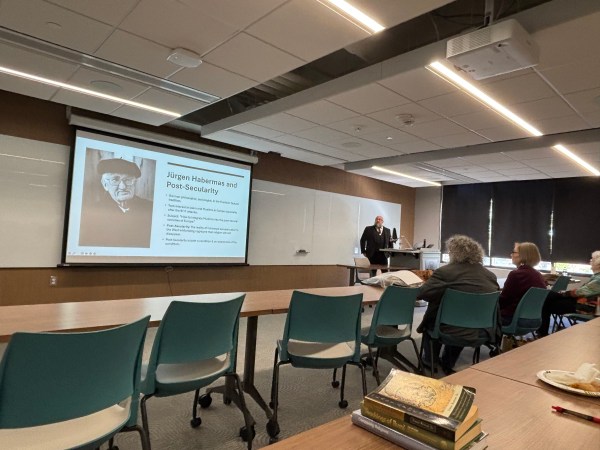
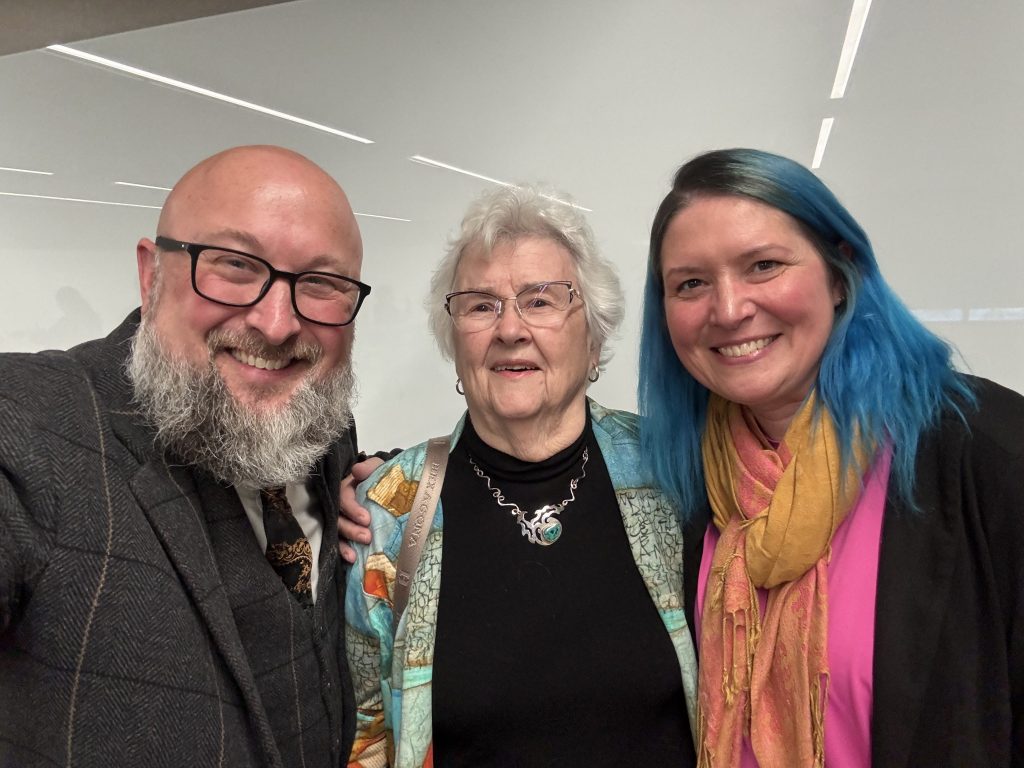
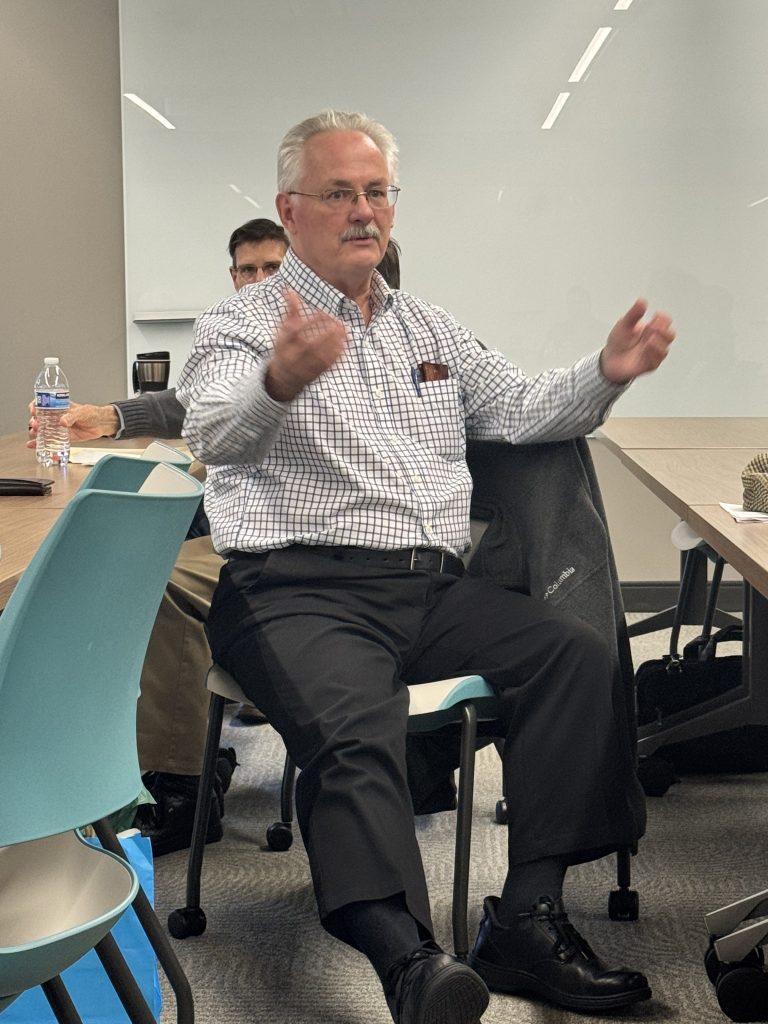
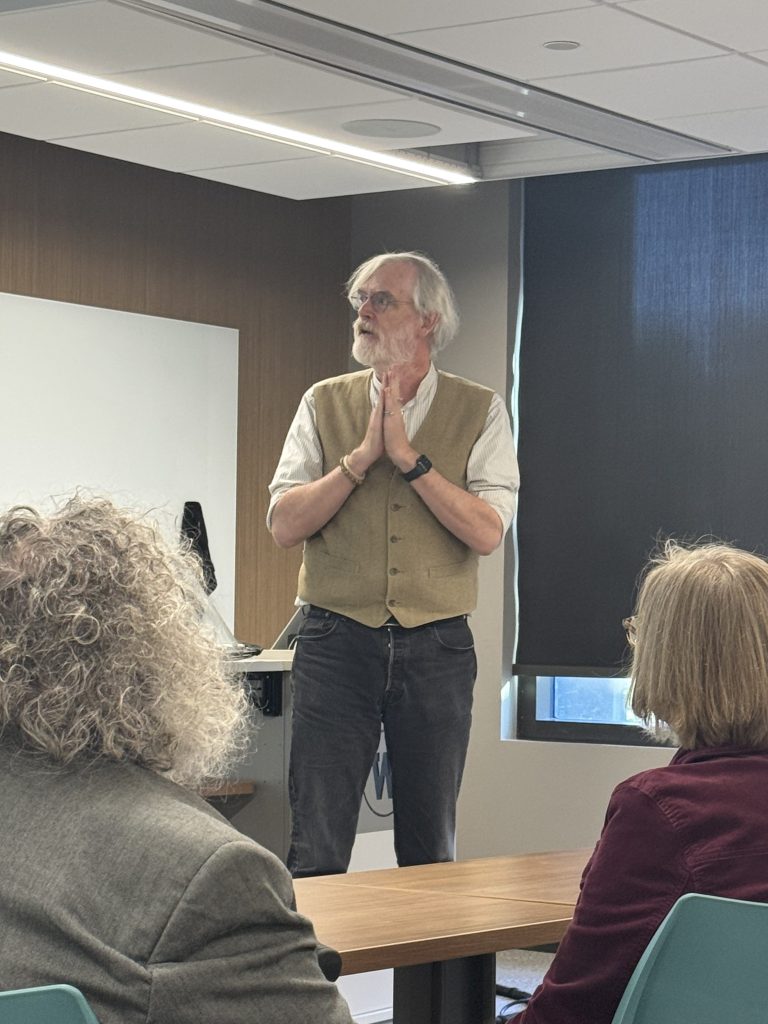
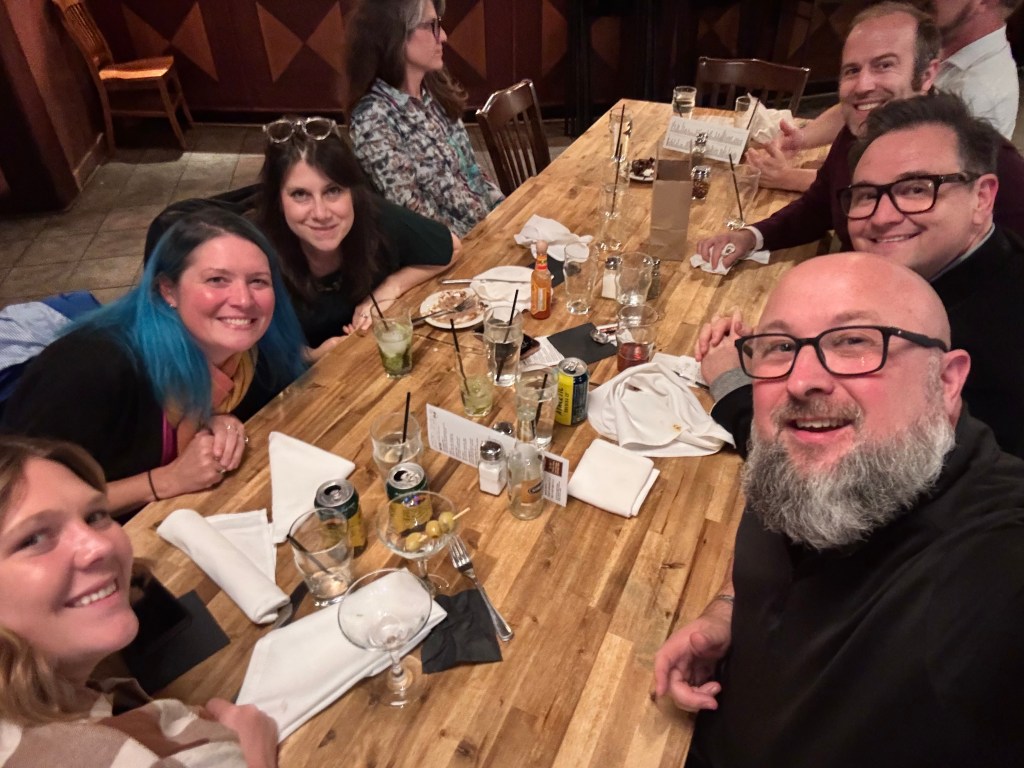
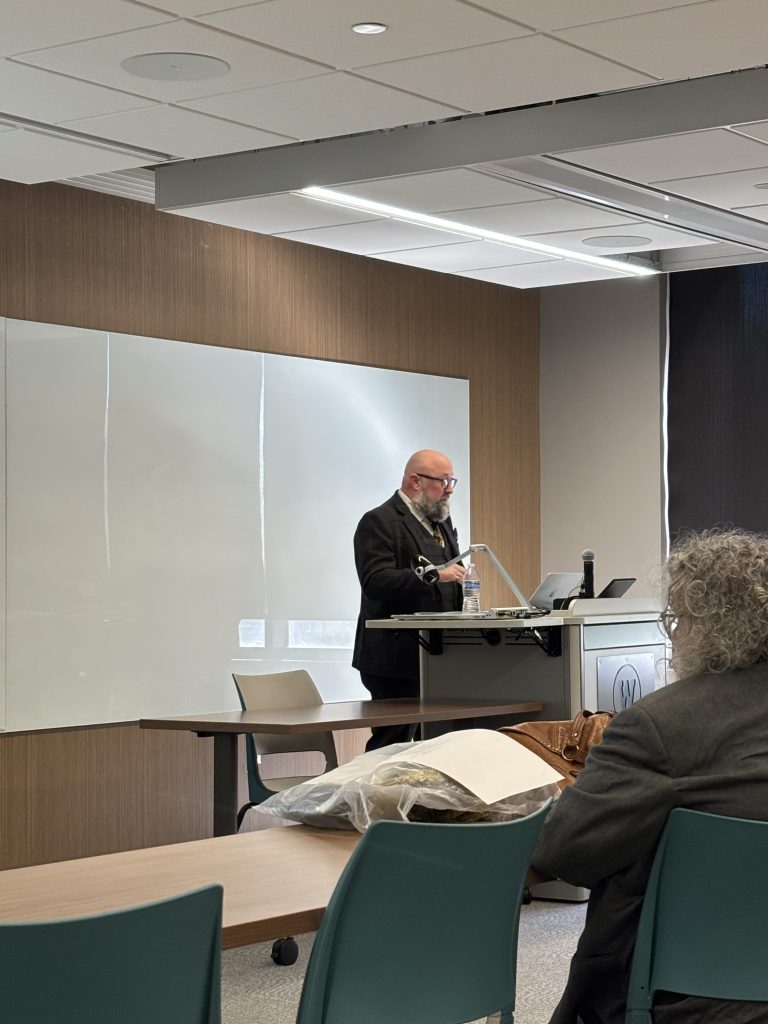
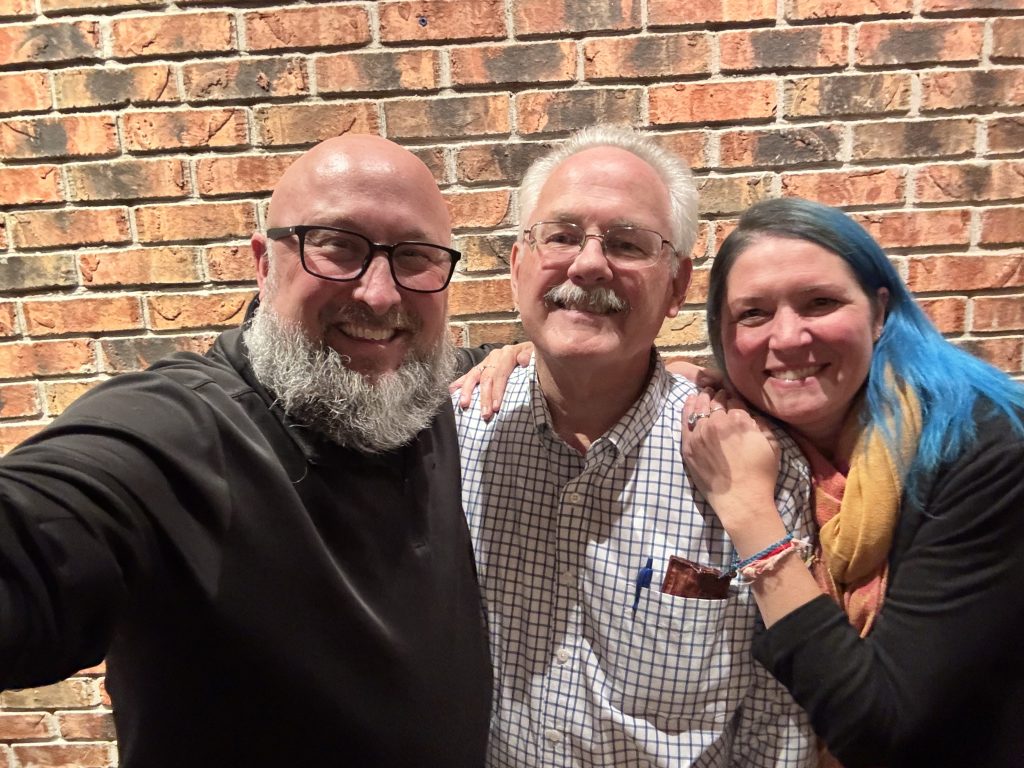
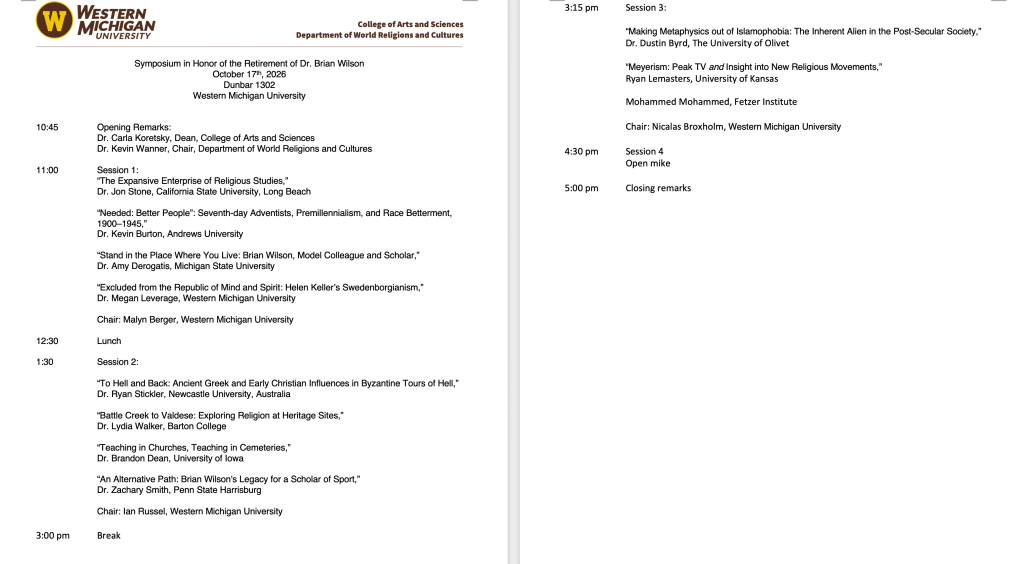
On October 17th, I was fortunate to join colleagues, graduate students, and former and active professors from the Comparative Religion department at Western Michigan University to celebrate the retirement of the amazing scholar and master pedagogue, Dr. Brian C. Wilson. Dr. Wilson came to WMU in 1996 from UC-Santa Barbara, and quickly became an imminent scholar of local religious history. For thirty years he has educated WMU undergrads and graduate students in religion, religious history, religious theory, etc. I shared my work on the problem of “Geist” within the Willensgemeinschaft and Volksgemeinschaft states regarding Muslims, especially in post-secular Europe.
Dr. Brian Wilson has written some amazing books on American religious history, including Yankees in Michigan, John E. Fetzer and the Quest for the New Age, The California Days of Ralph Waldo Emerson, and Dr. John Harvey Kellogg and the Religion of Biologic Living. These books are all well worth reading as they give incredible insights to the religious history of this area of southern Michigan.
It was great to see my dear friends and mentors, Dr. Nancy Falk, Dr. Stephen Covell, Dr. Kevin Wanner, Dr. Amy DeRogatis of MSU, and many others, including my dear friend and former office mate, Sarah Montgomery-Richards.
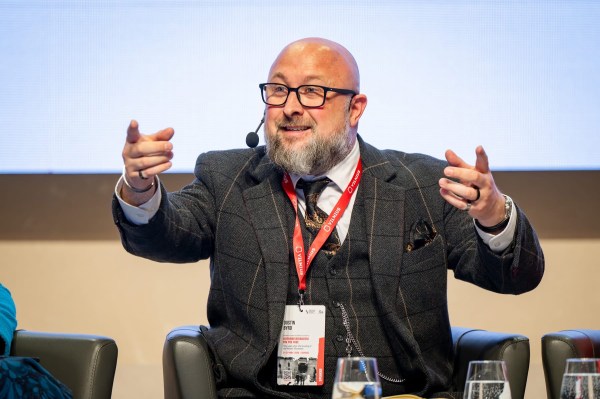
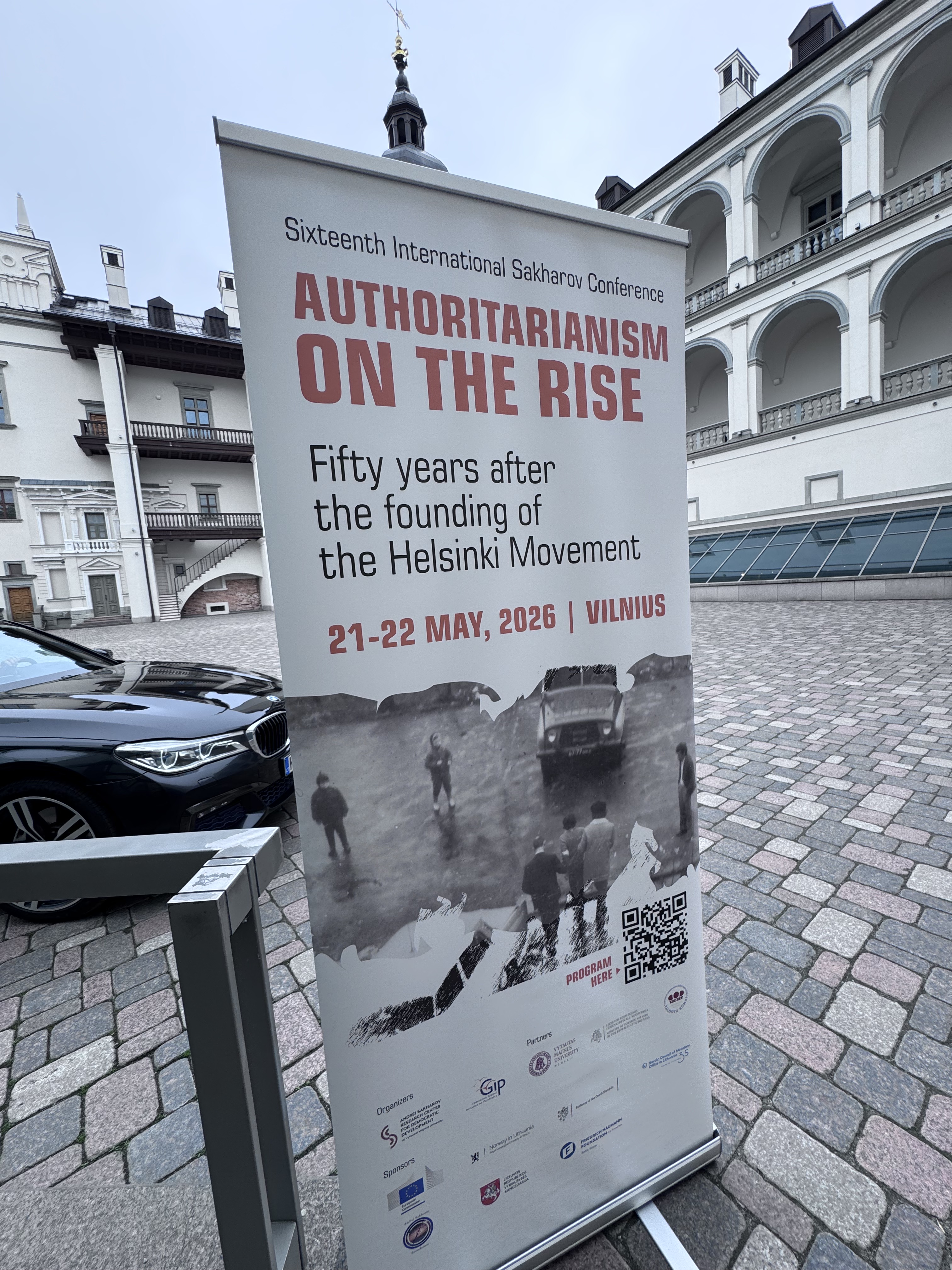
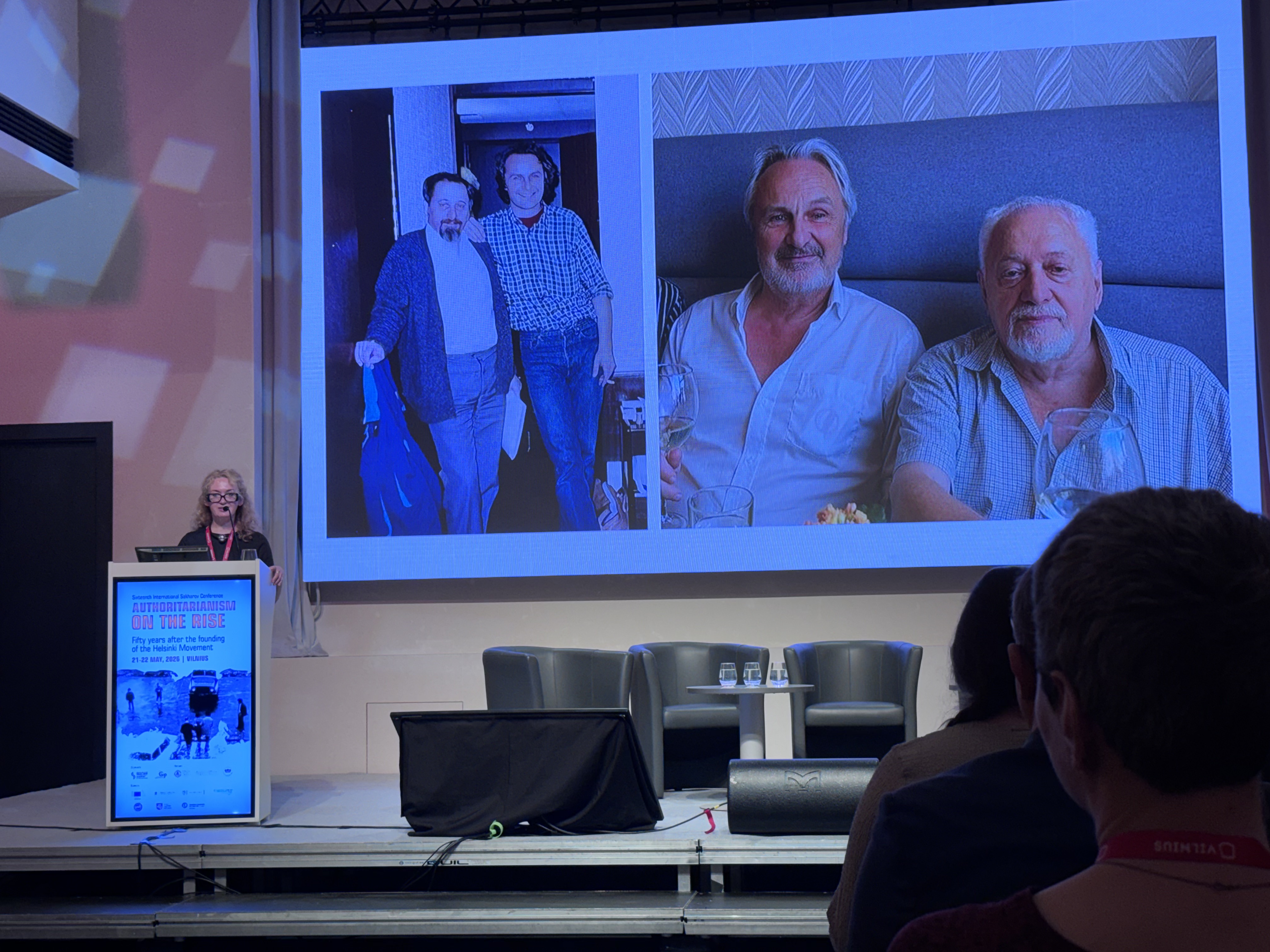
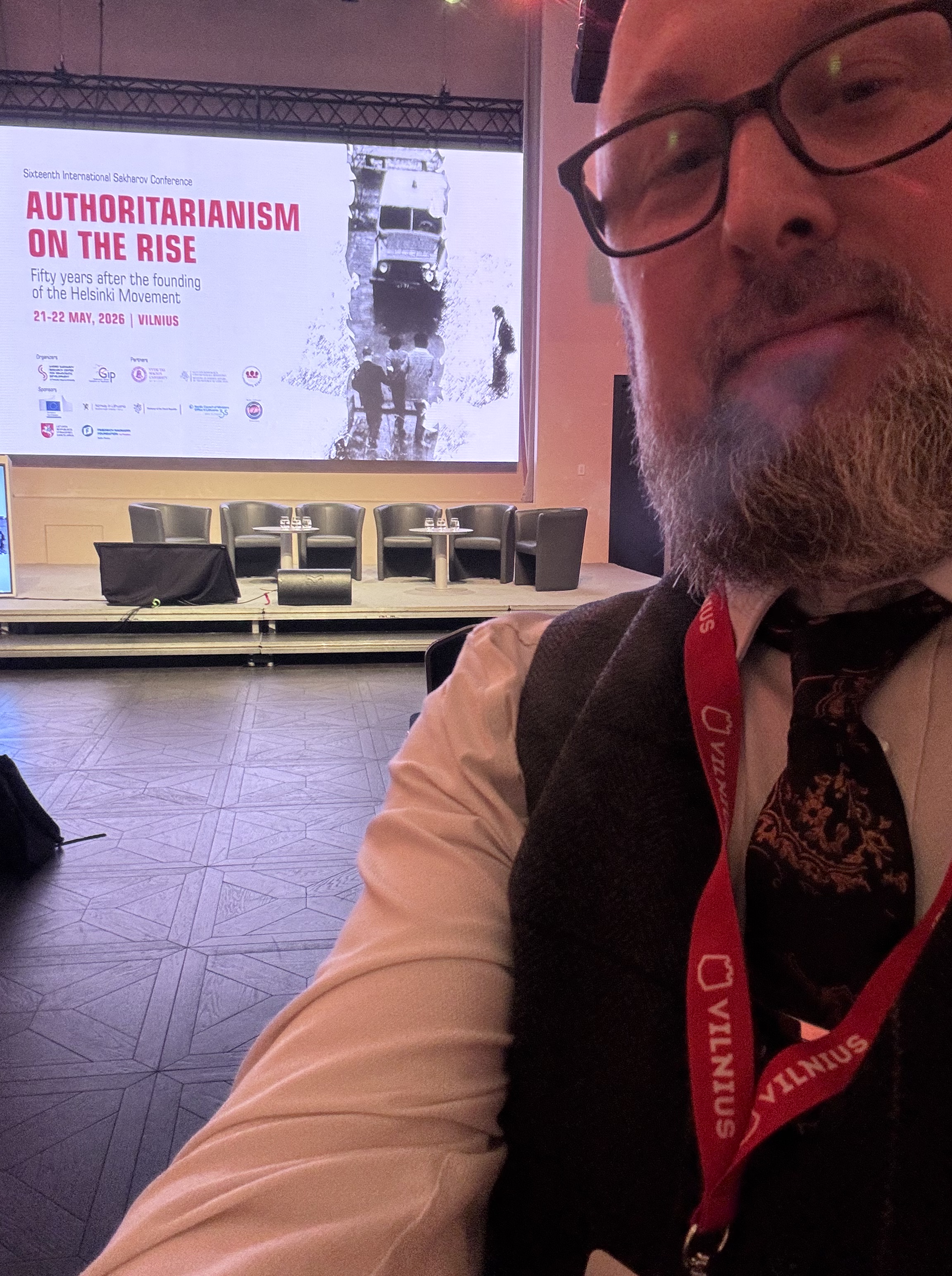
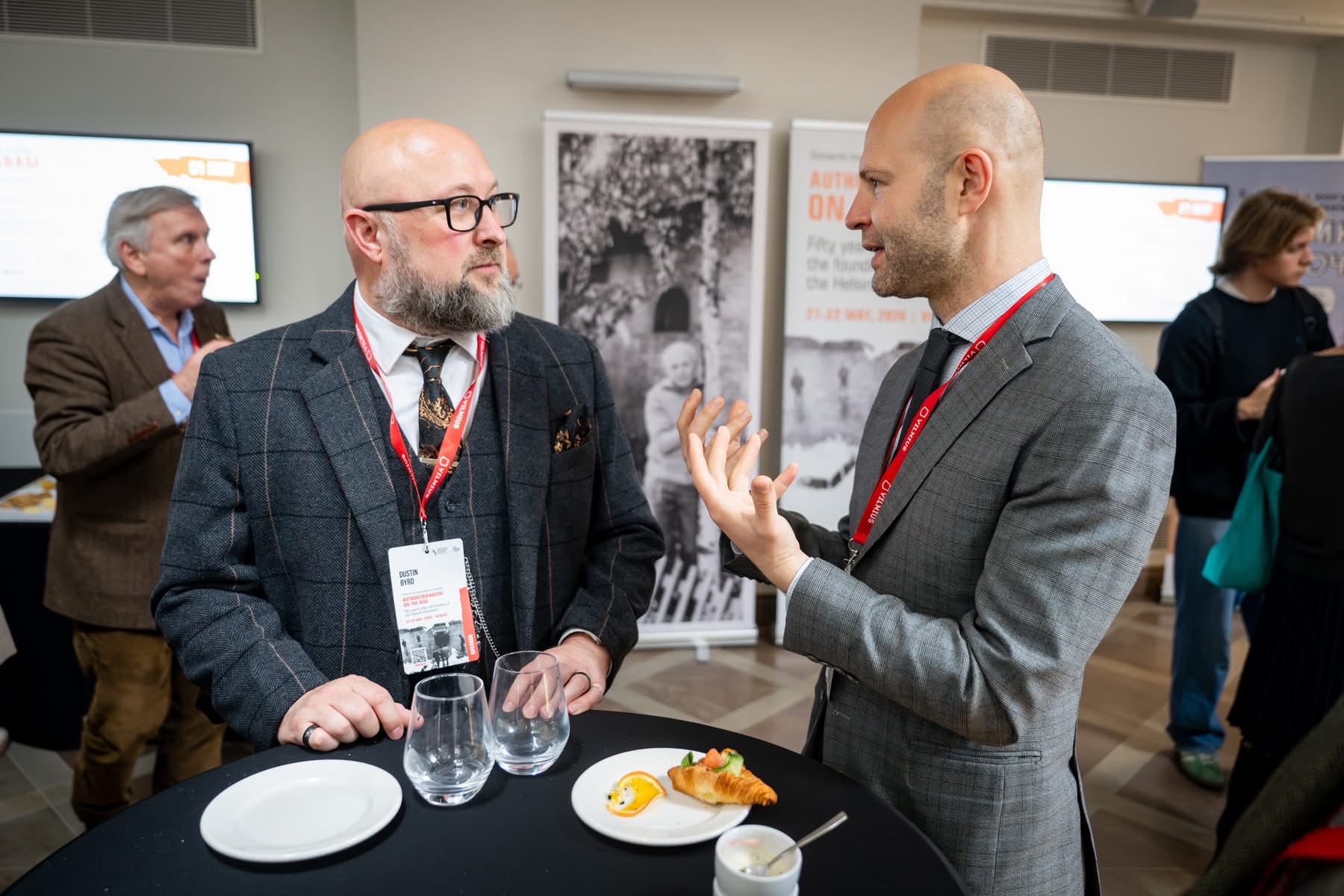
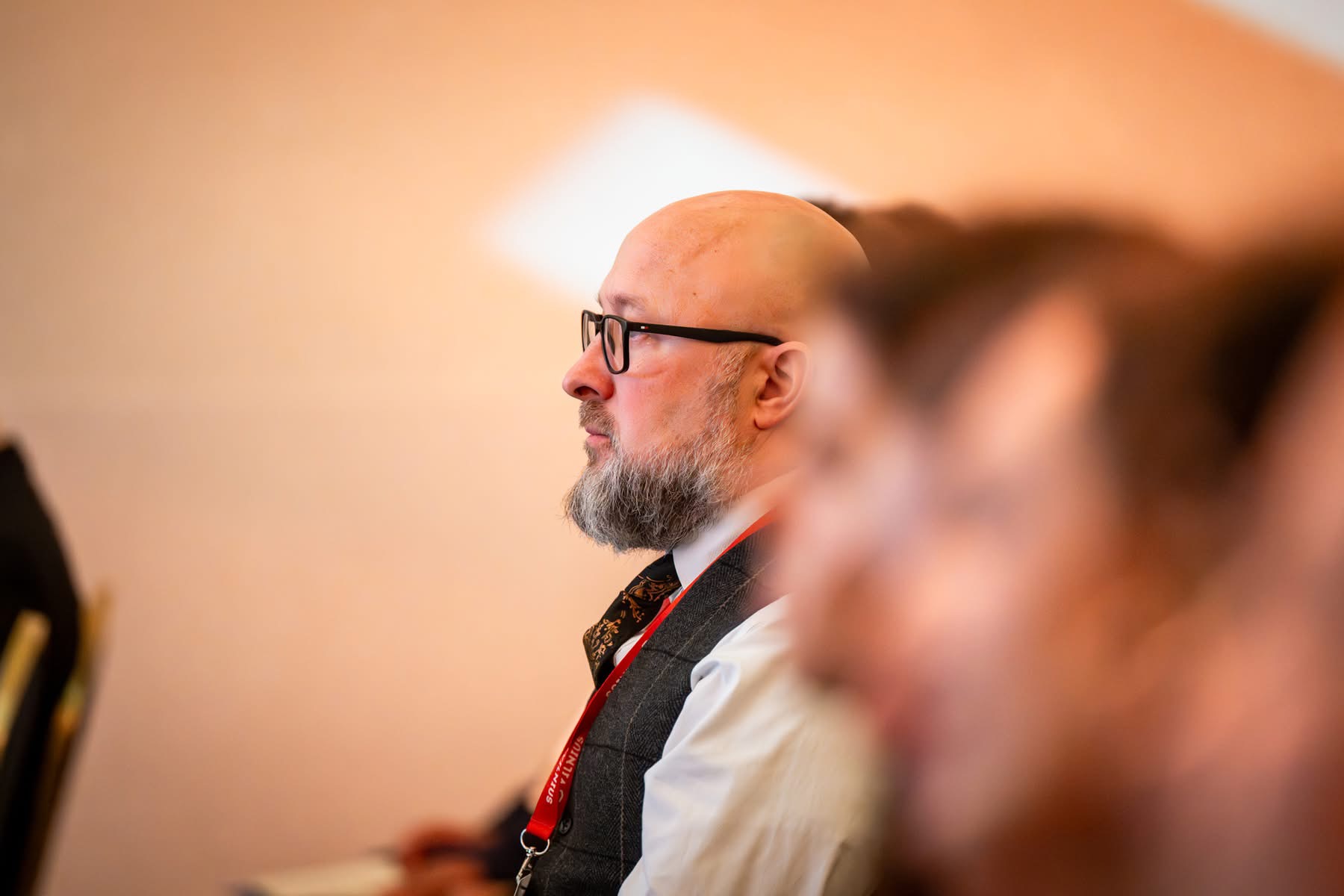
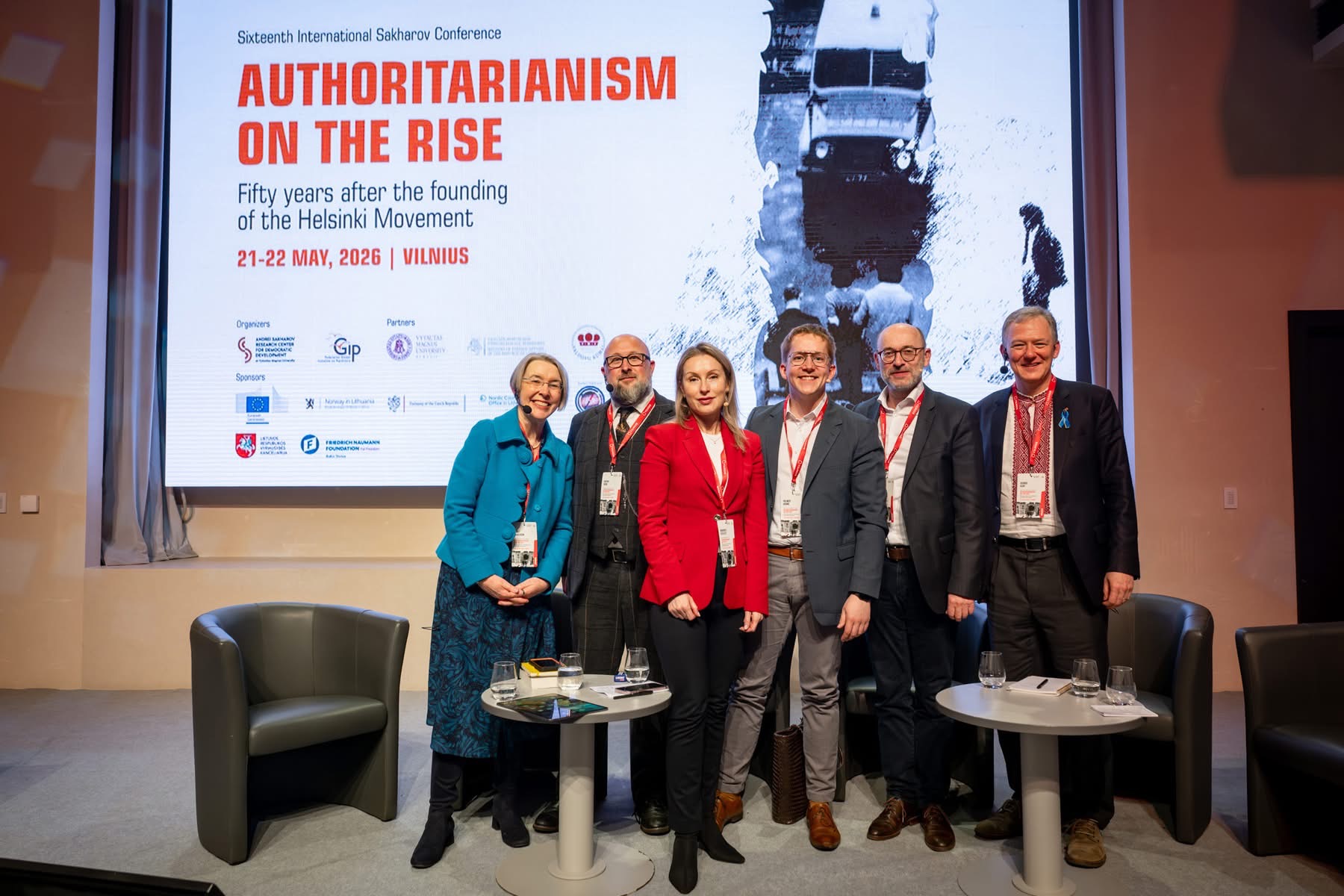
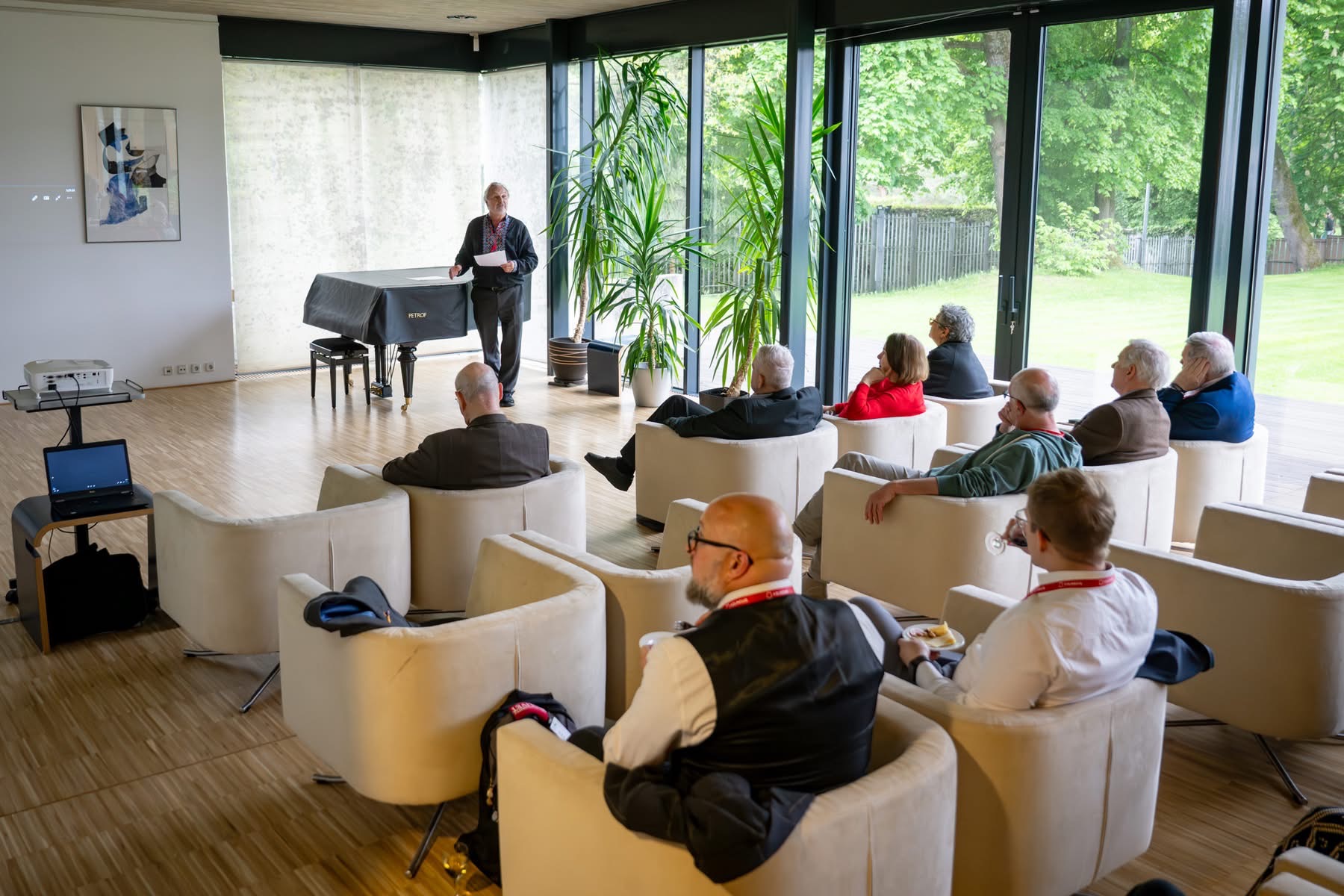
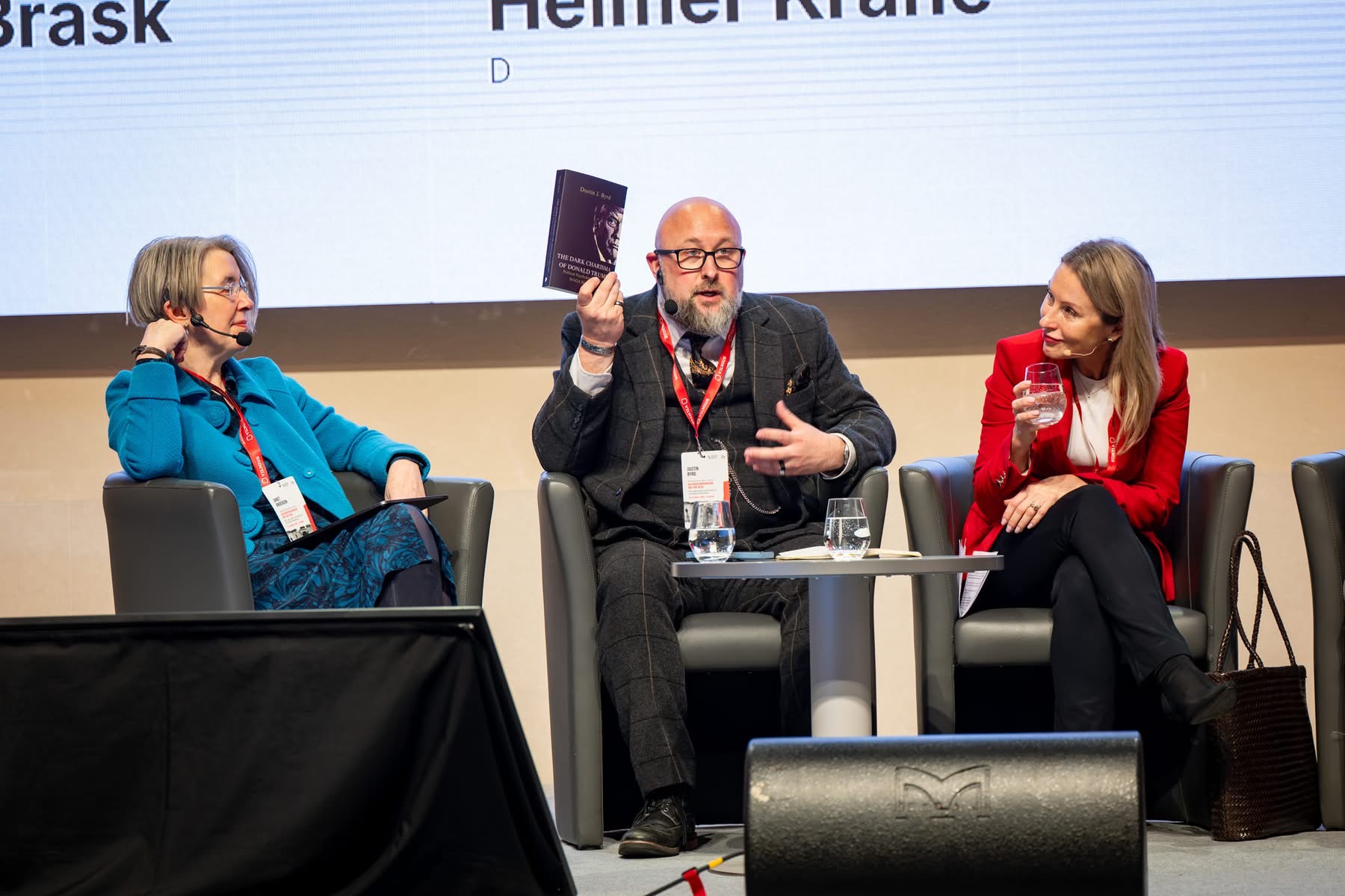
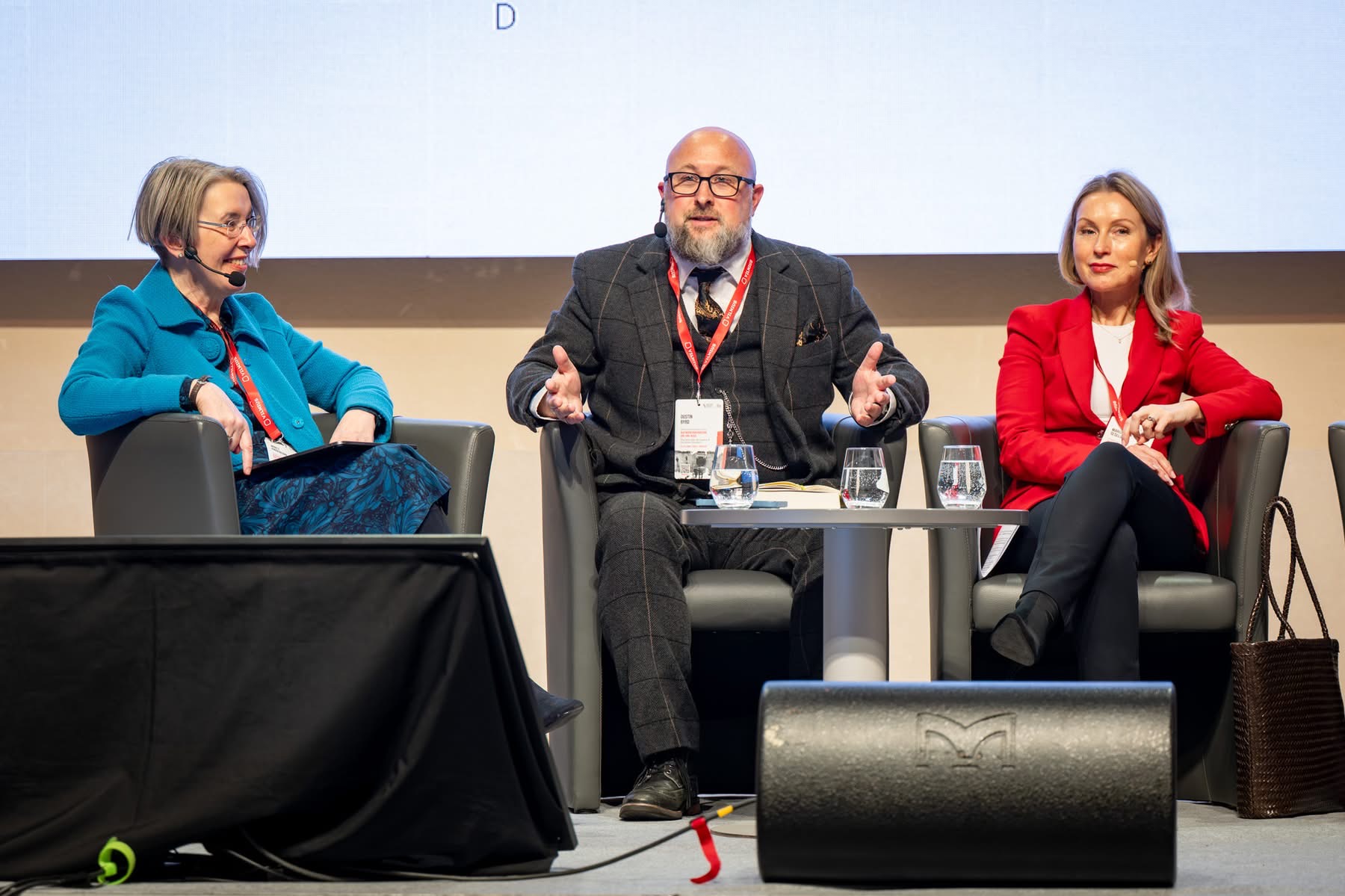
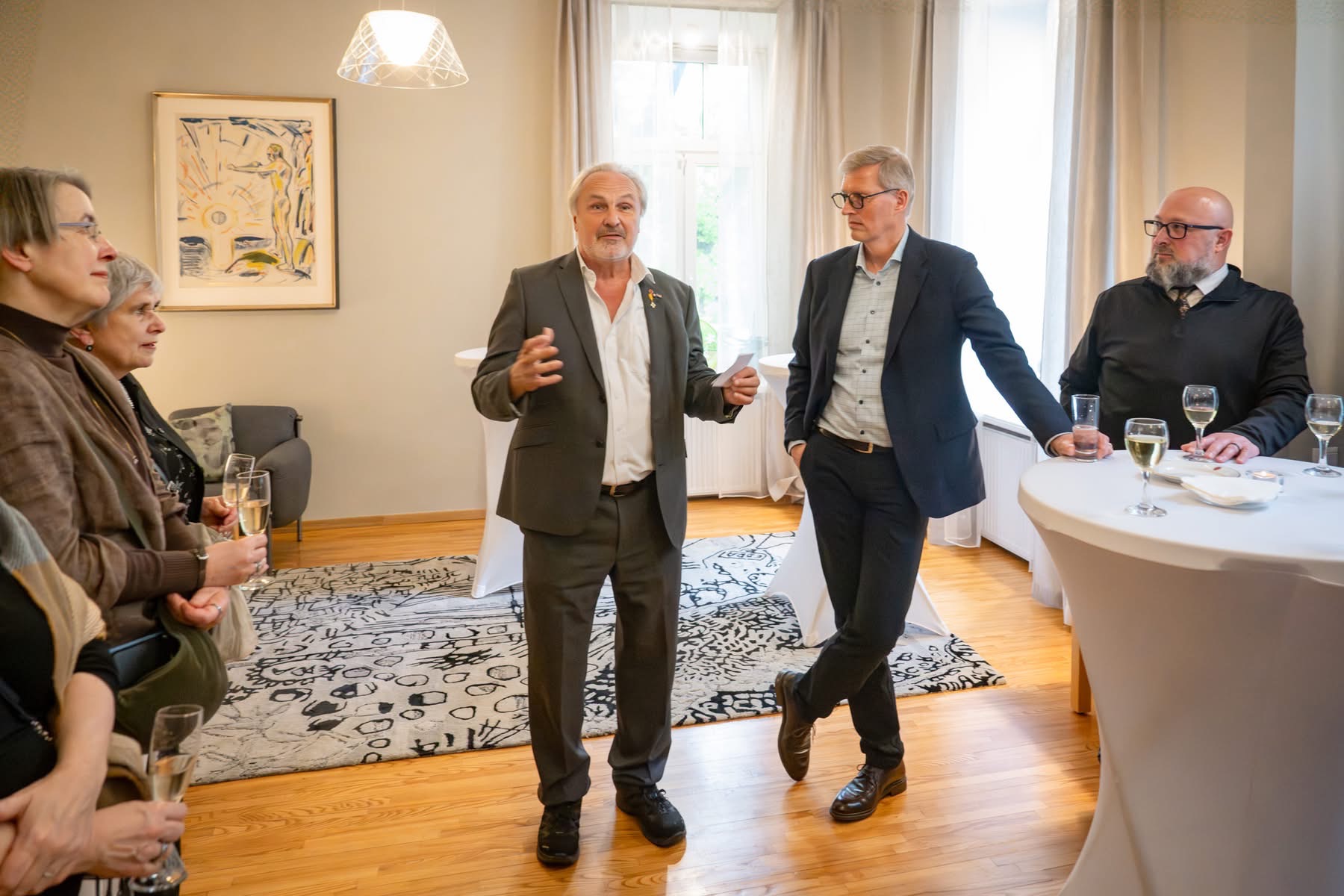
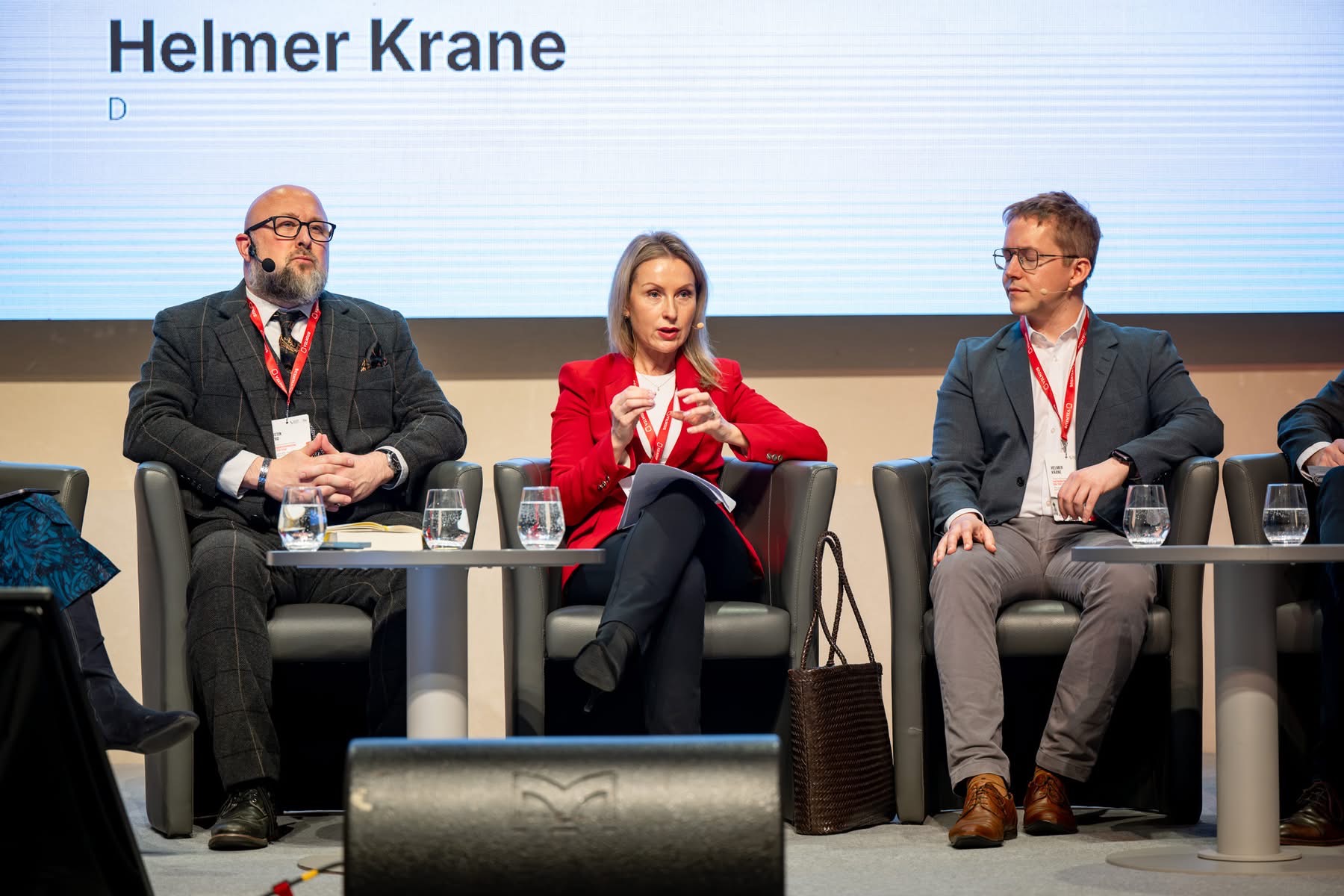
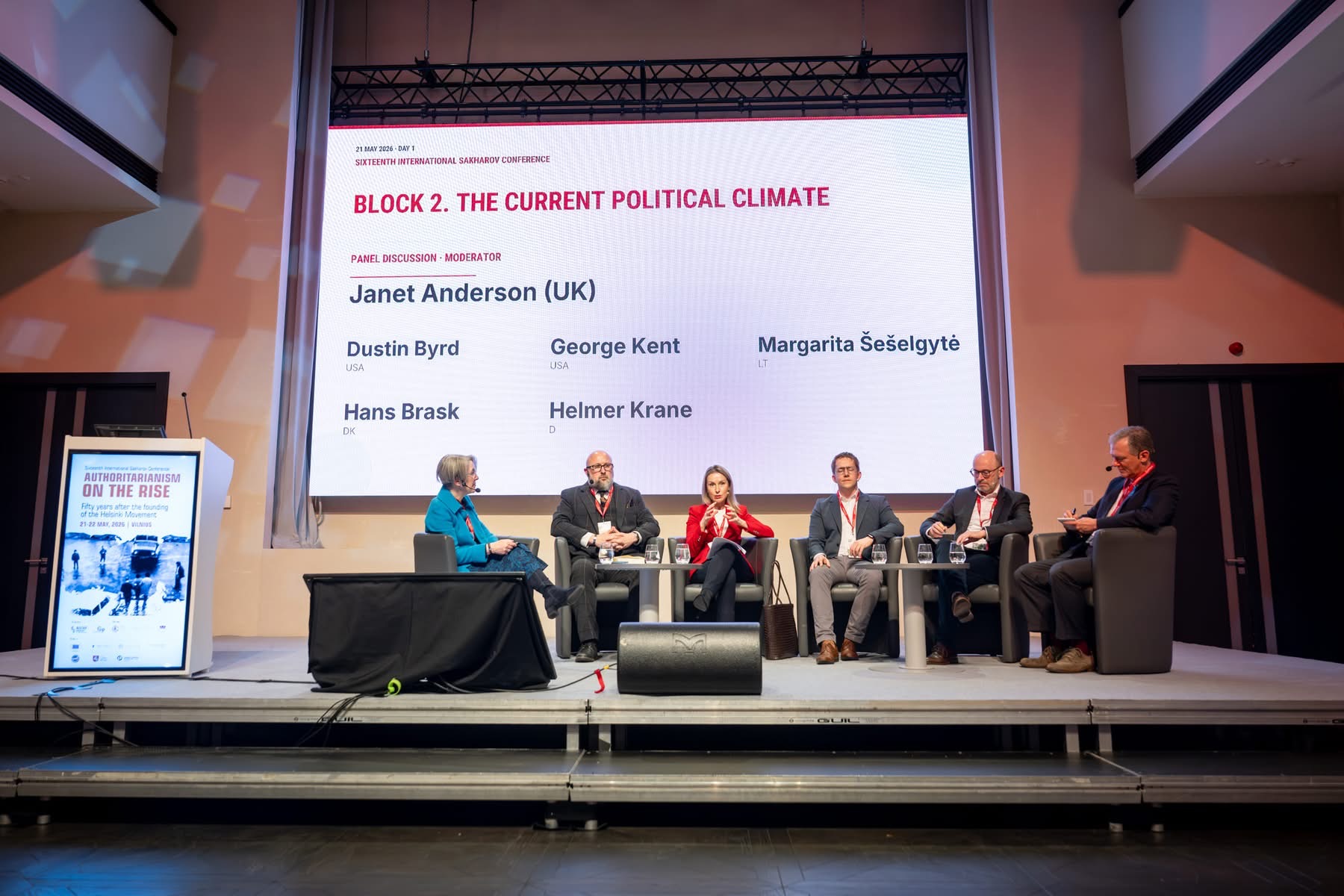
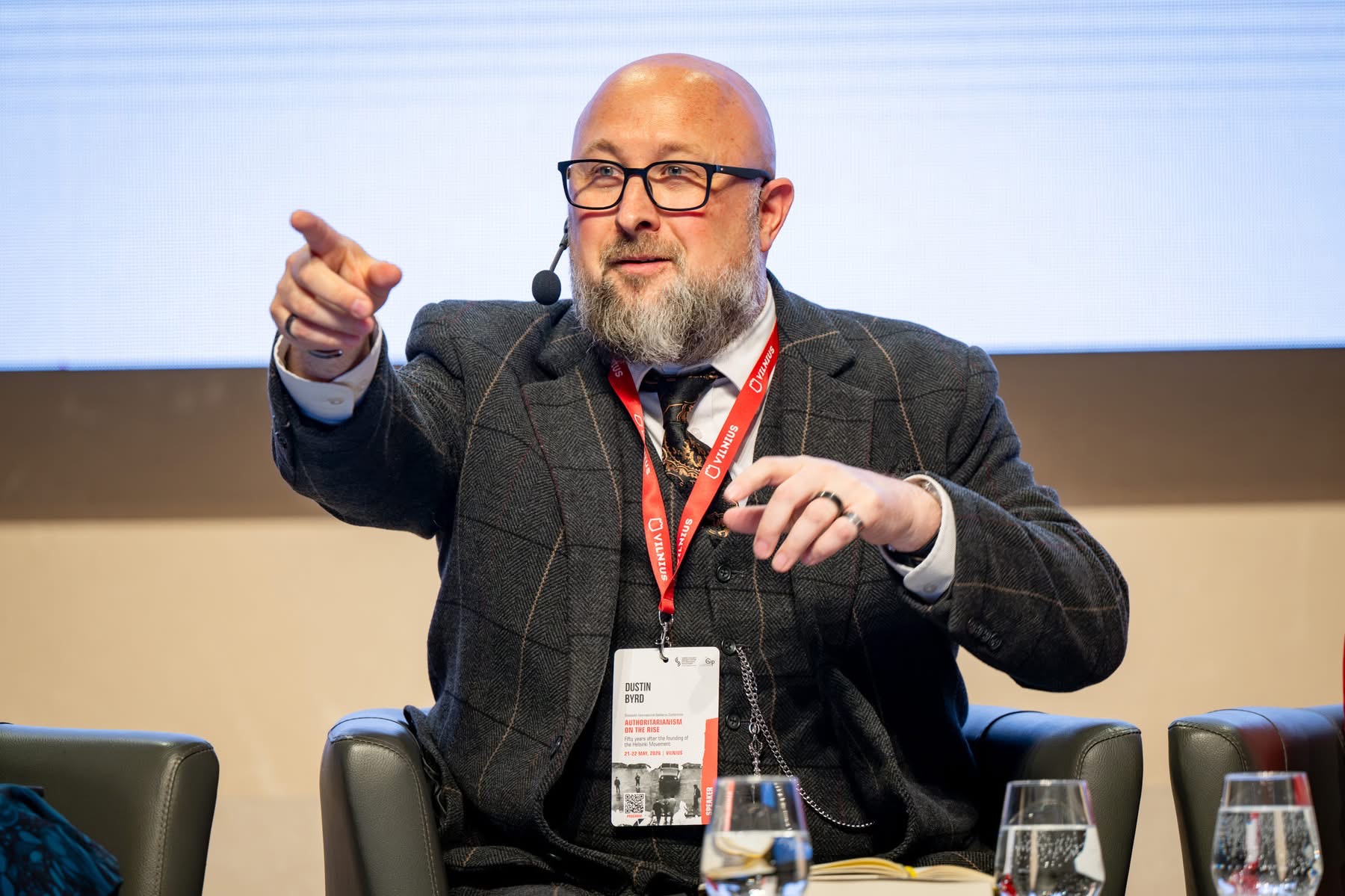
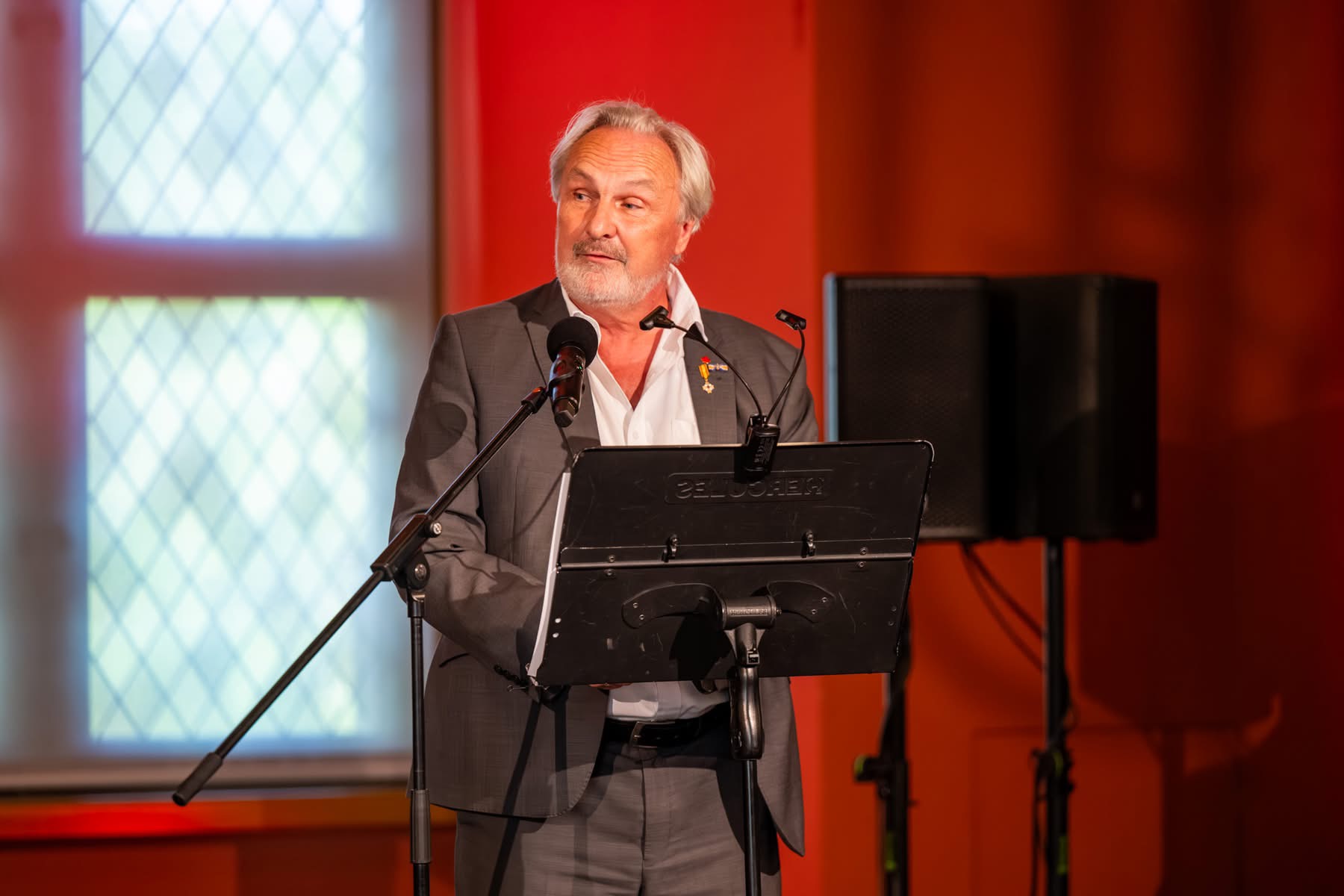
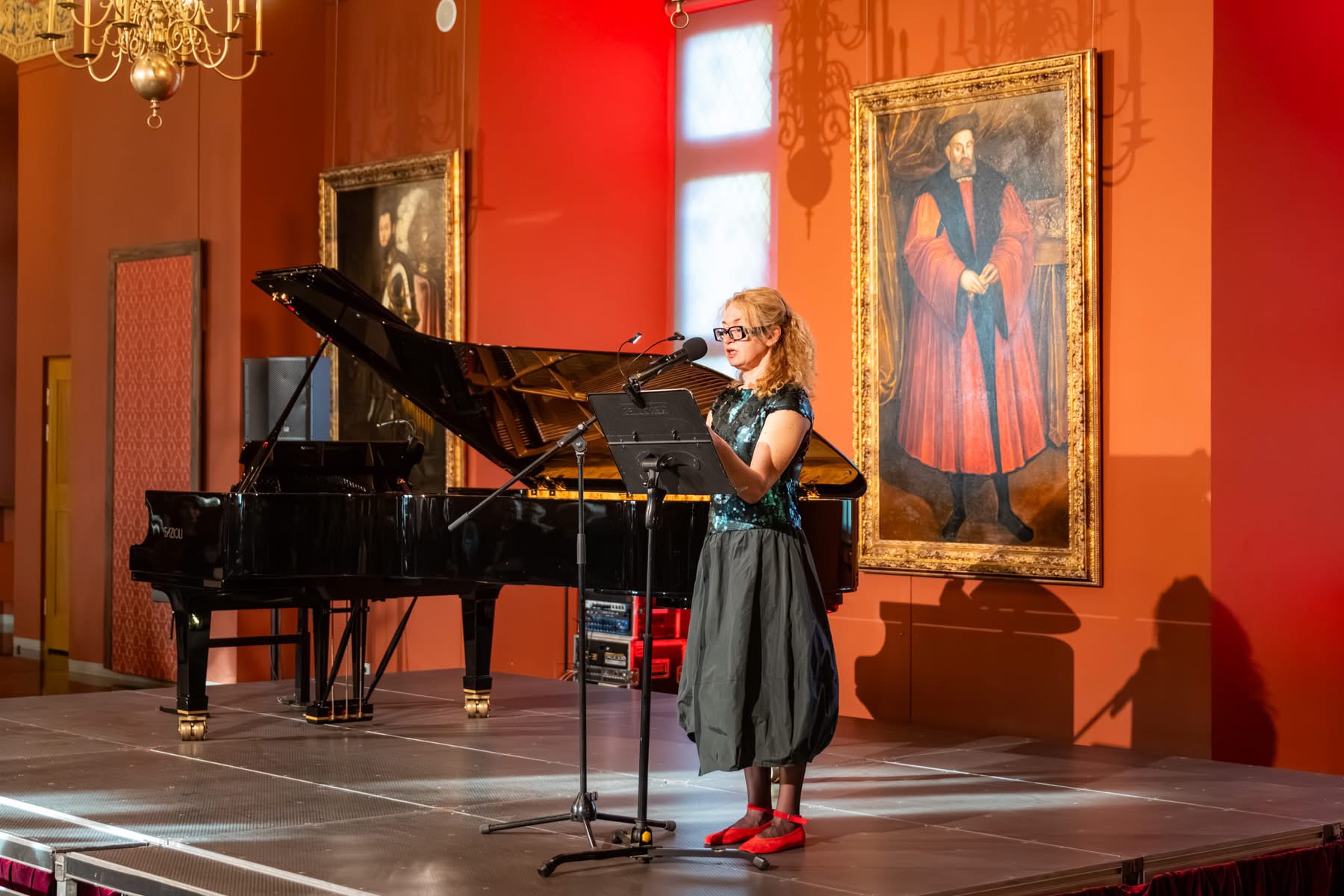
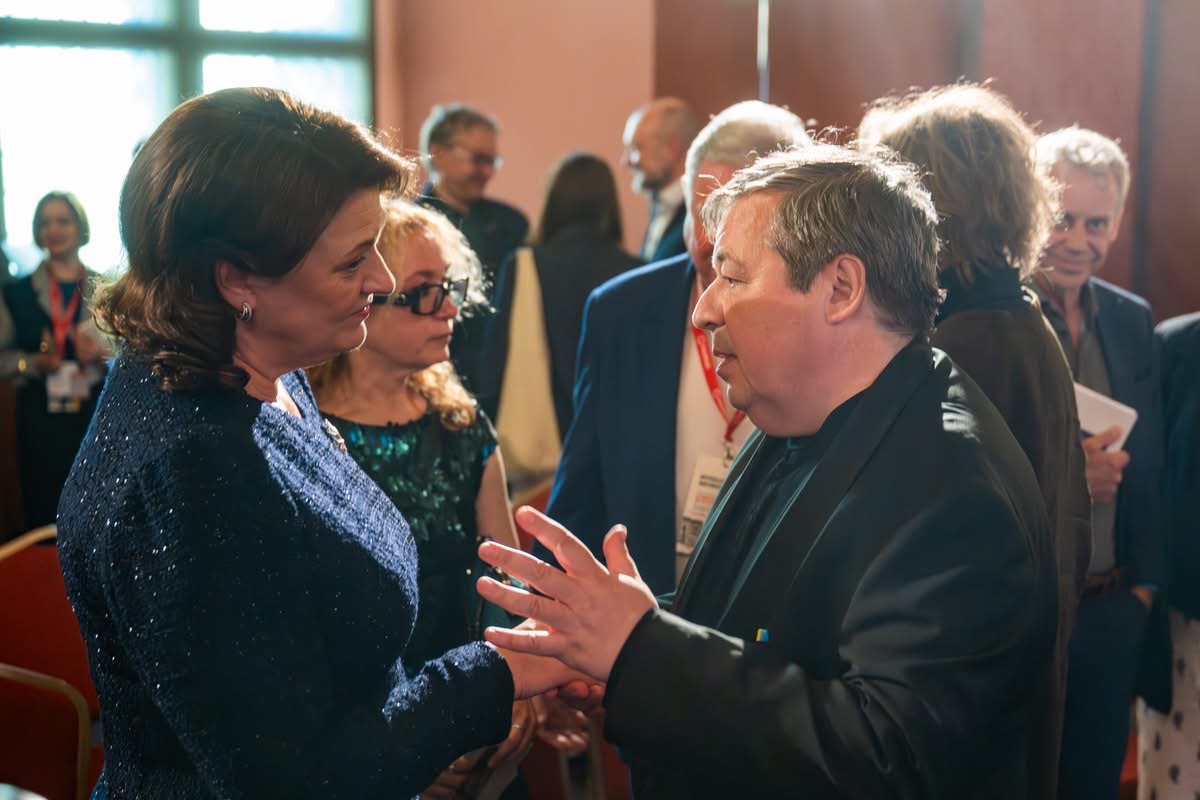
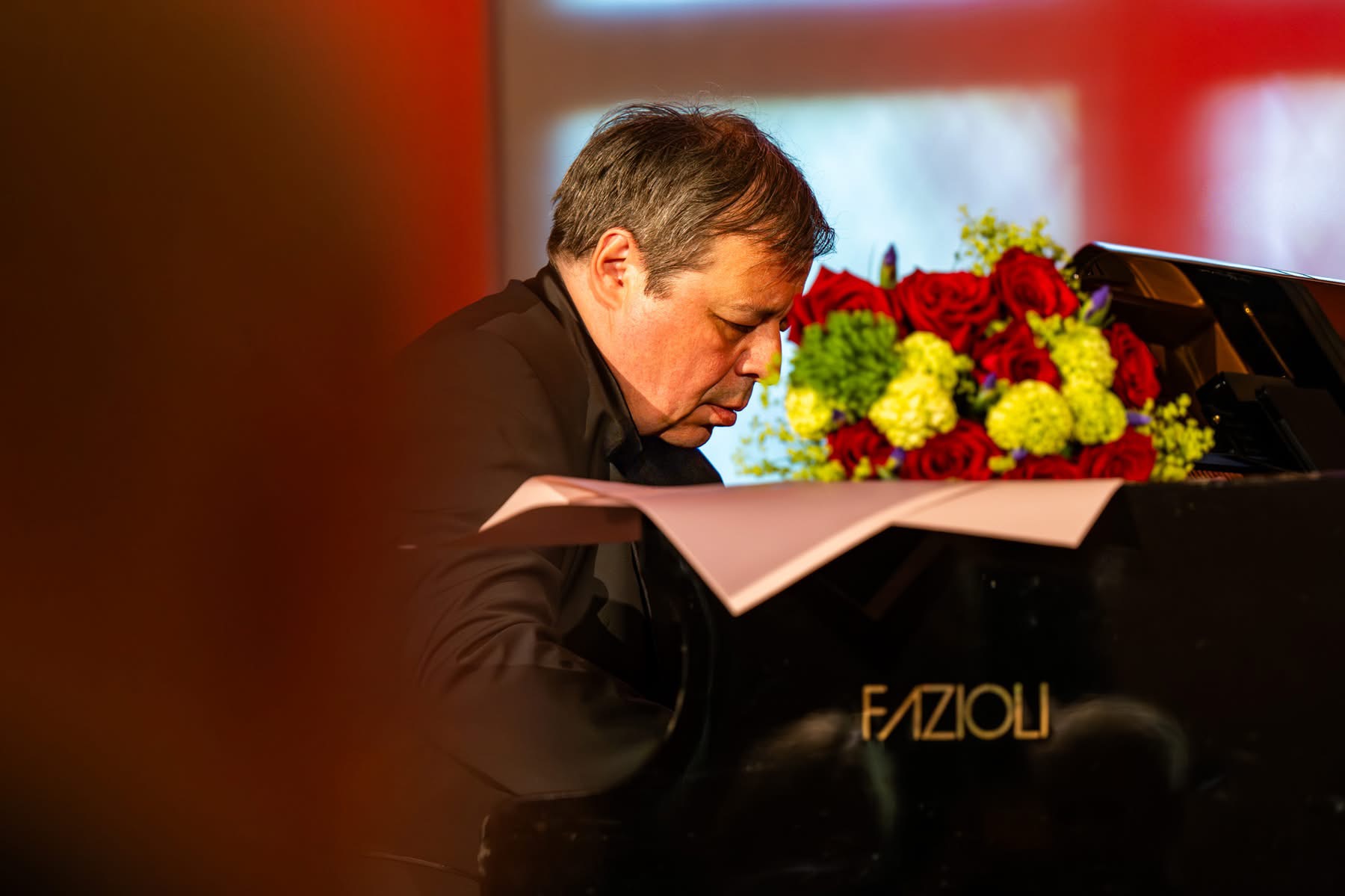
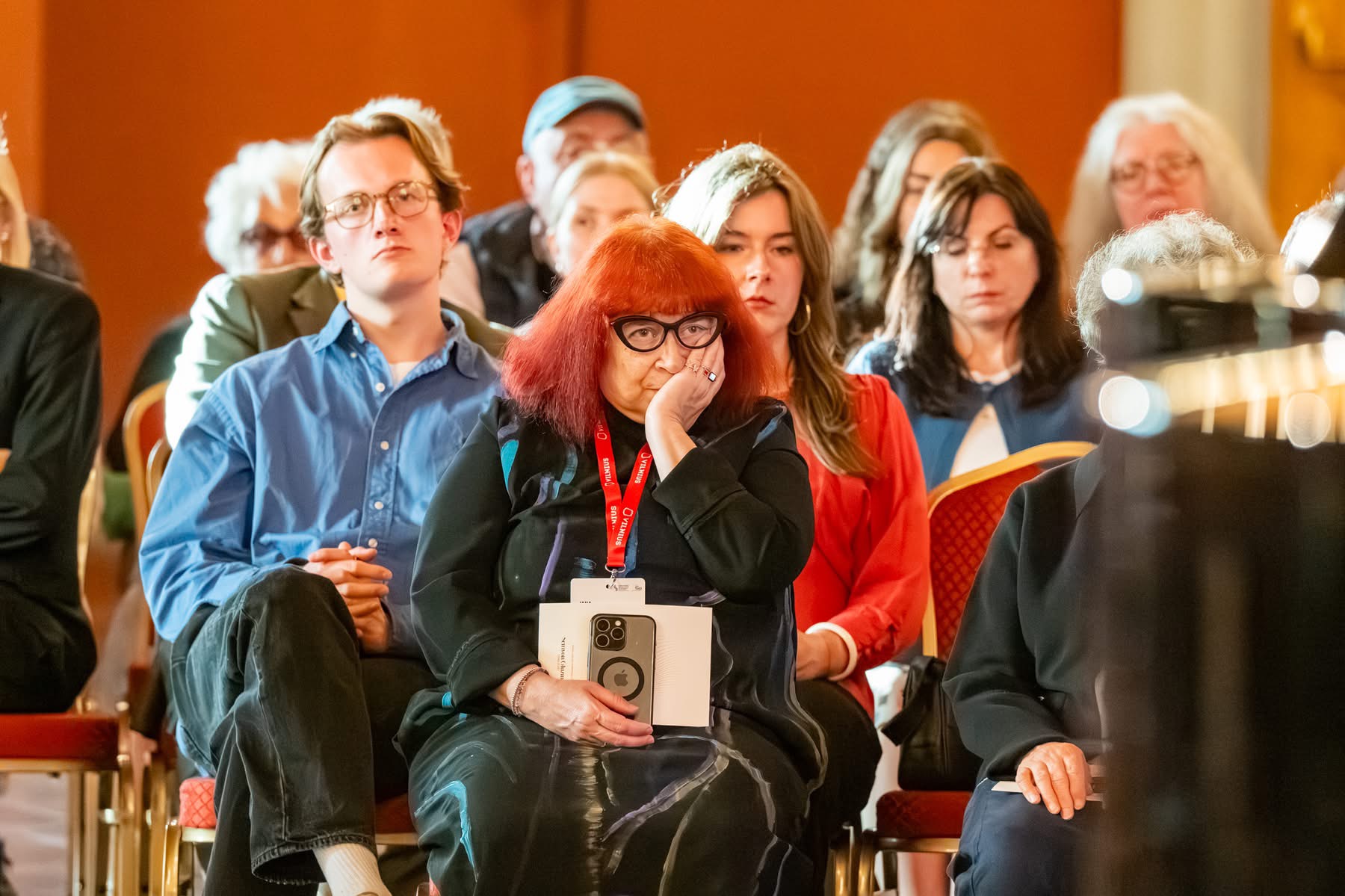
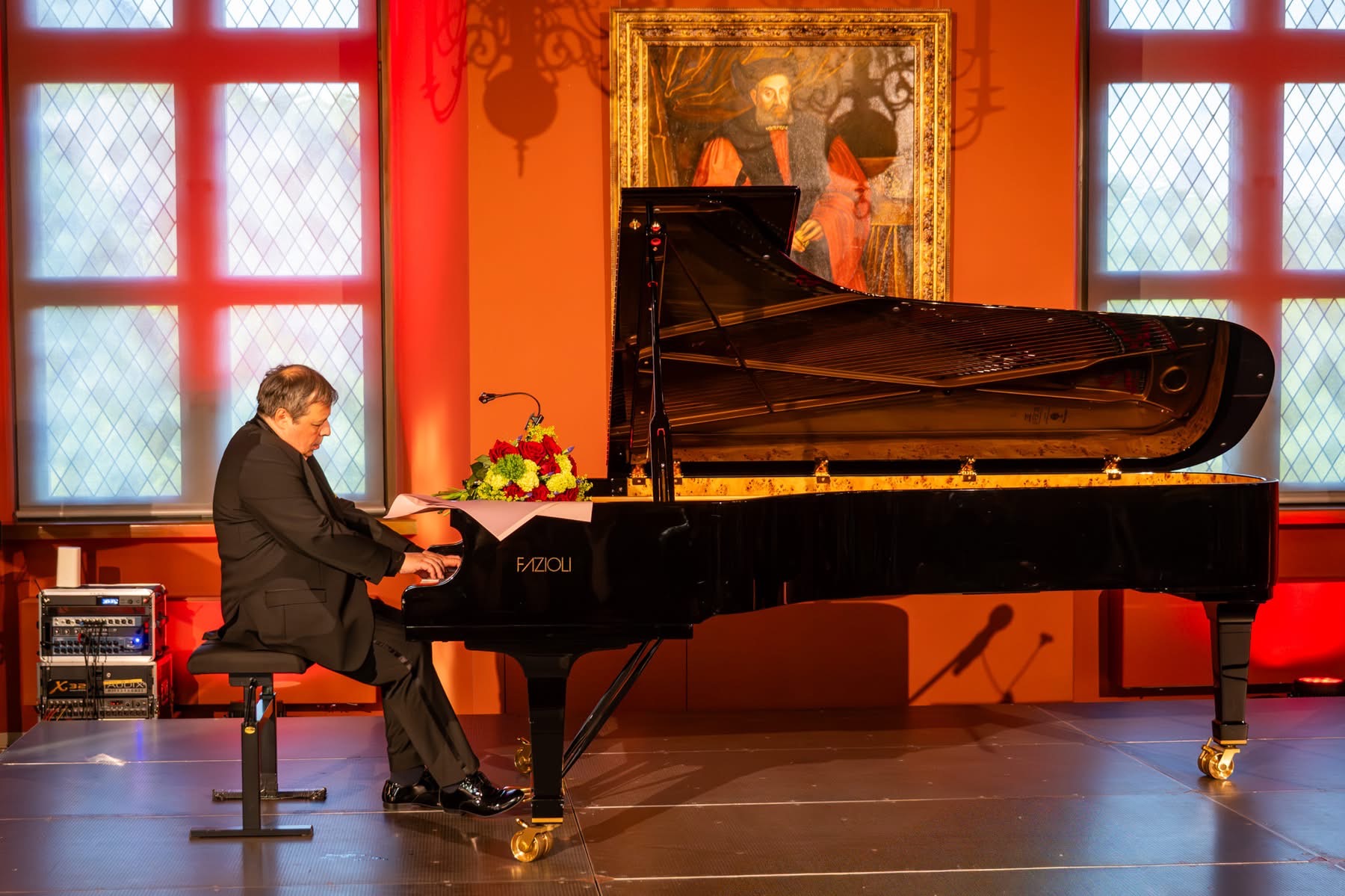
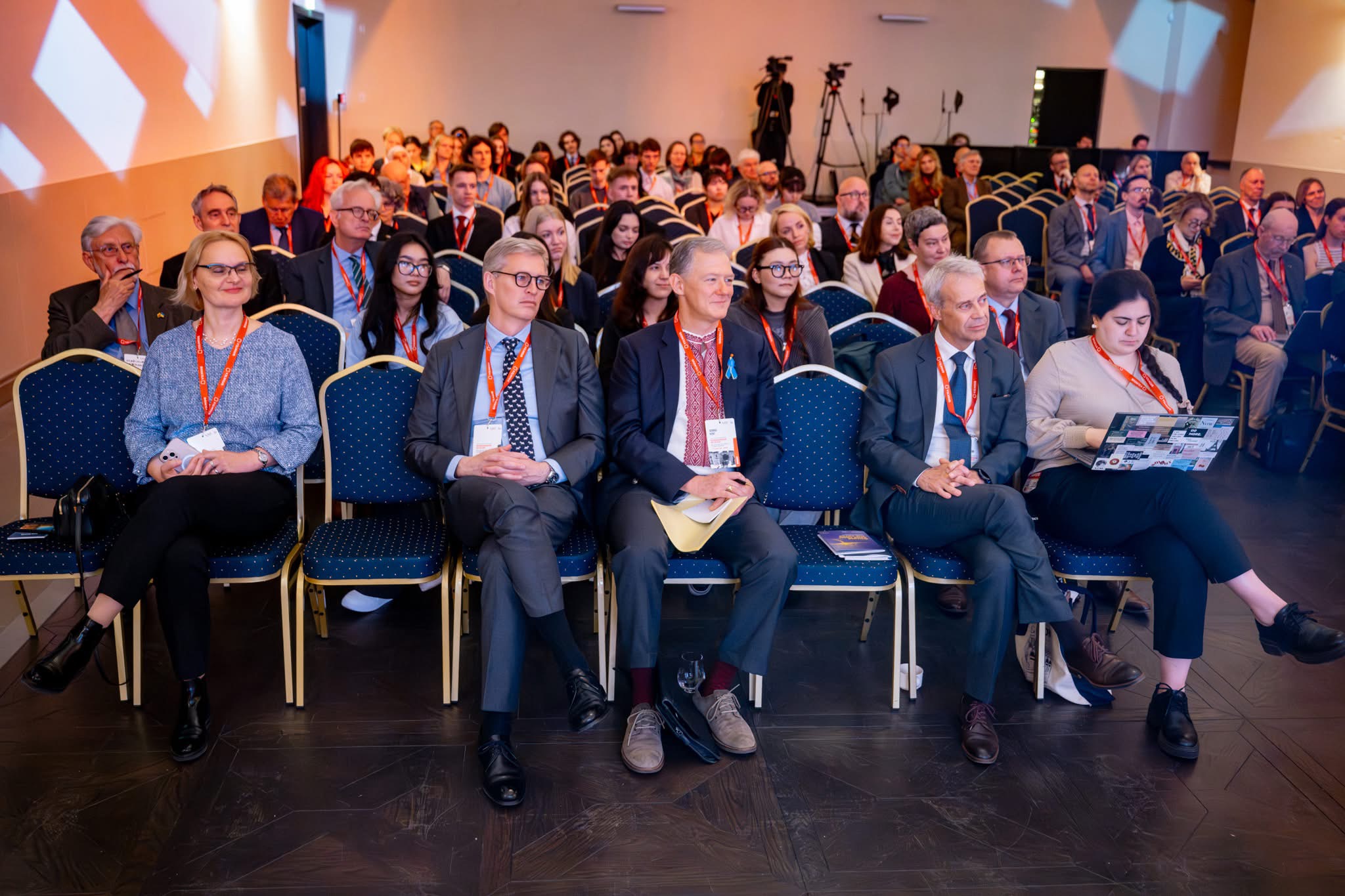
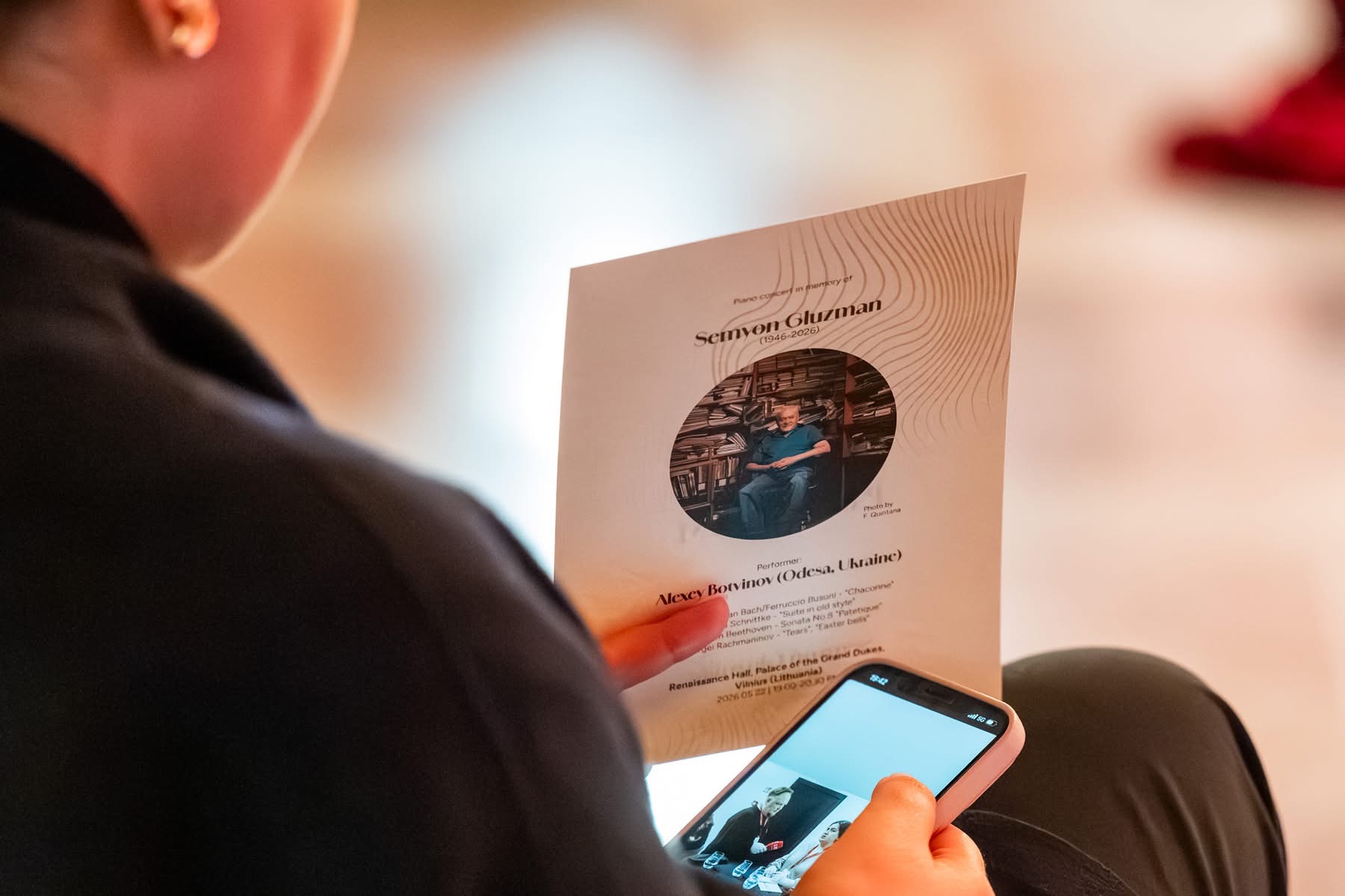
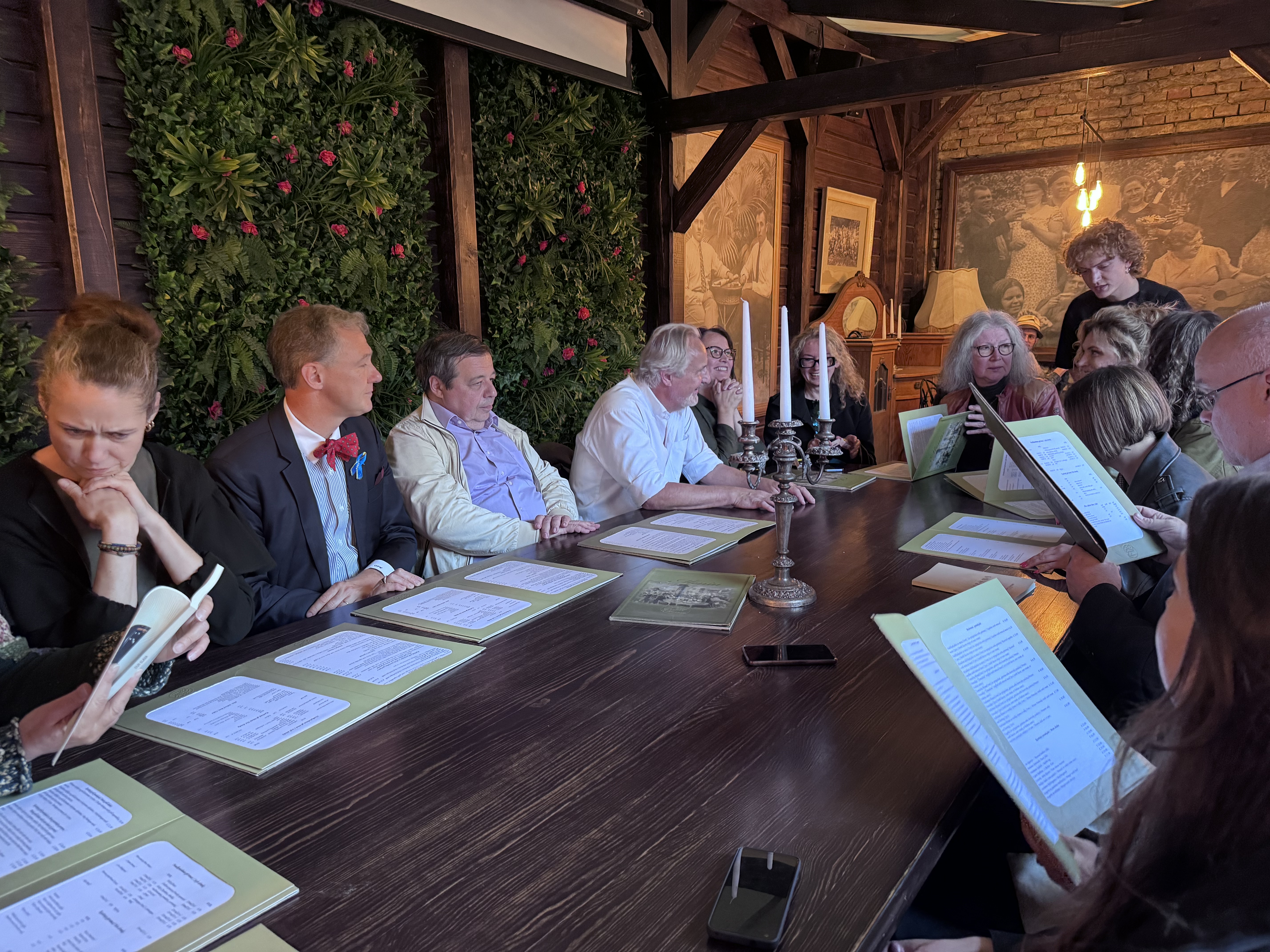
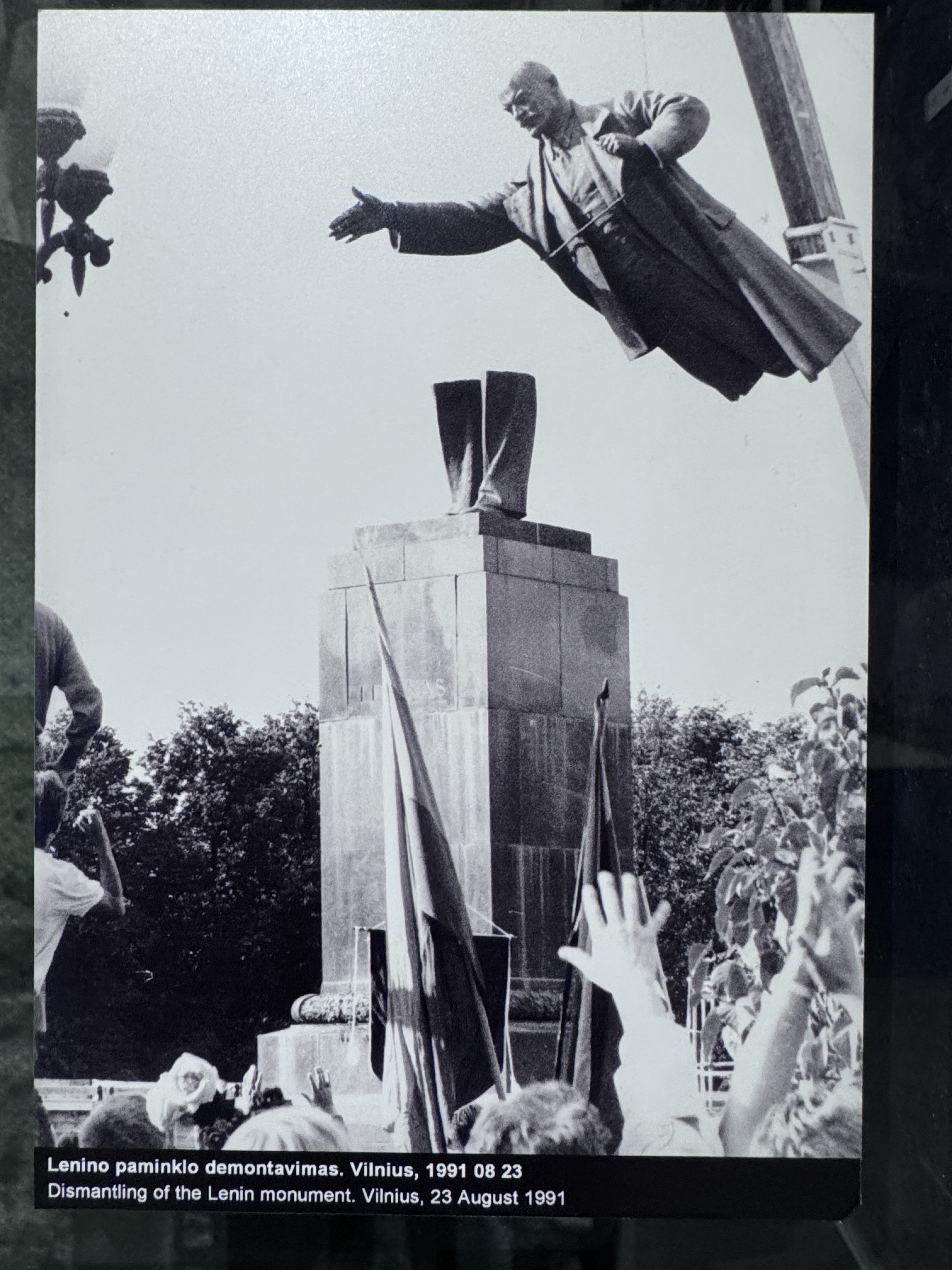
I had the great opportunity to participate in the Sixteenth International Sakharov Conference in Vilnius Lithuania, on May 21-22. Organized by Robert van Voren, this conference brought together activists, NGOs, diplomats, dissidents, academics, and other government officials, to discuss the ongoing rise of authoritarianism, especially in the West, as well as the war of aggression launched by Vladimir Putin against Ukraine. With the subject title, “Fifty years after the founding of the Helsinki Movement,” we discussed the democratic dissident movement that fought for human rights during the Soviet period. My discussion of the psycho-dynamics of Trump’s authoritarianism came under the section on “The Current Political Climate.” I was joined on stage by Janet Anderson (UK), George Kent (USA), Margarita Šešelgytė (Lithuania), Hans Brask (Denmark), and Helmer Krane (Germany). We had a wonderful meet-and-greet at the Norwegian embassy in Vilnius; we watched the film, “To the Success of our Hopeless Cause,” about dissidents during the Soviet period at the Czech Embassy in Vilnius, and heard an amazing concert by Alexey Botvinov (Odesa, Ukraine) in memory of Semyon Gluzman, who recently passed away. For all intents and purposes, Gluzman was a force to be reckoned with, as was well displayed by those who attended the conference who knew and loved him. His spirit was with us even though his physical presence was not. Overall, this was an amazing opportunity and experience and I thank Robert van Voren for inviting me to participate. I hope my meager contribution was meaningful.
While in Vilnius, I did two media interviews on top of the one I already did while I was in Rome. Here’s the first of three (In Lithuanian): Trump is a Psychopath.
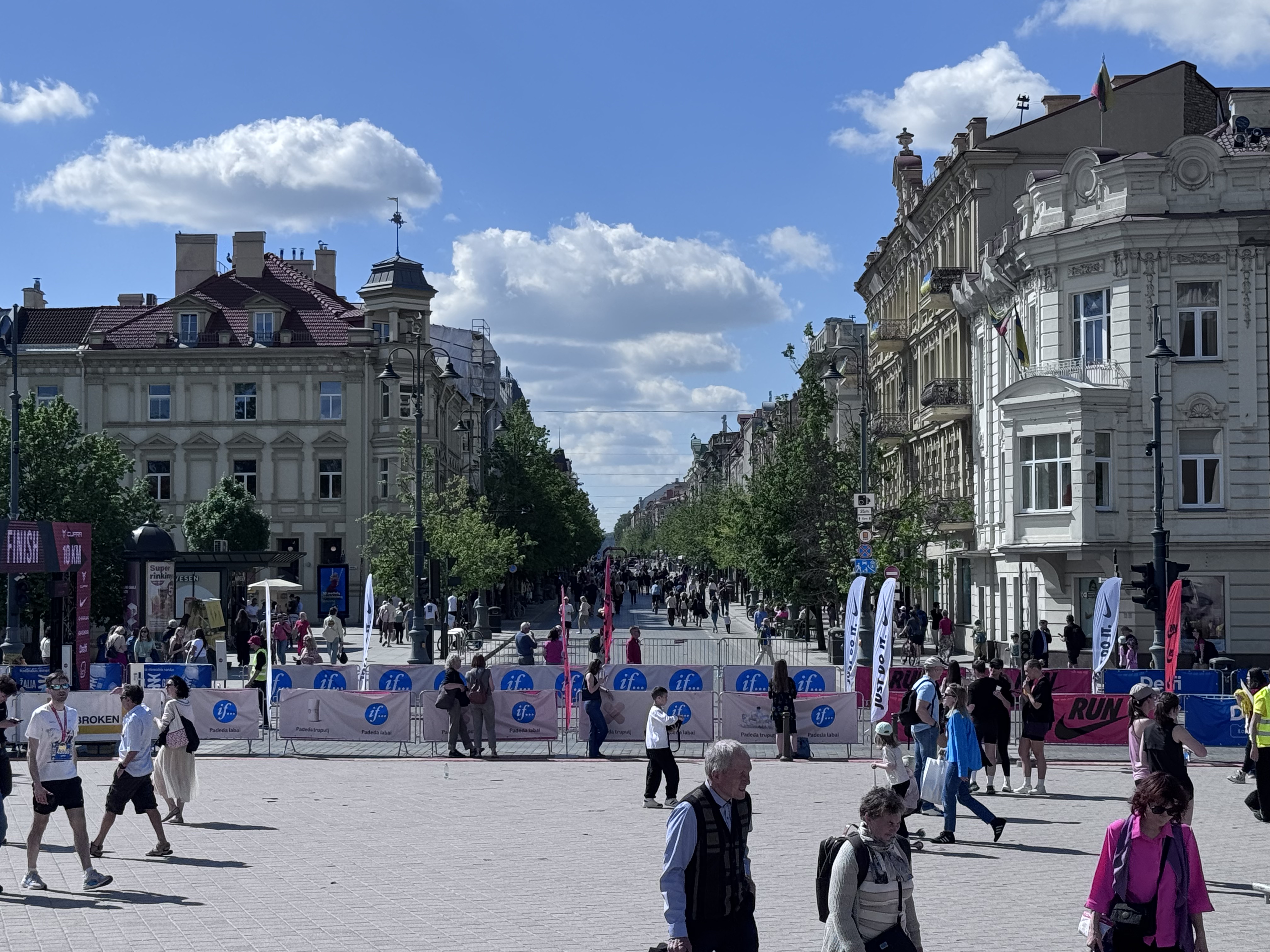
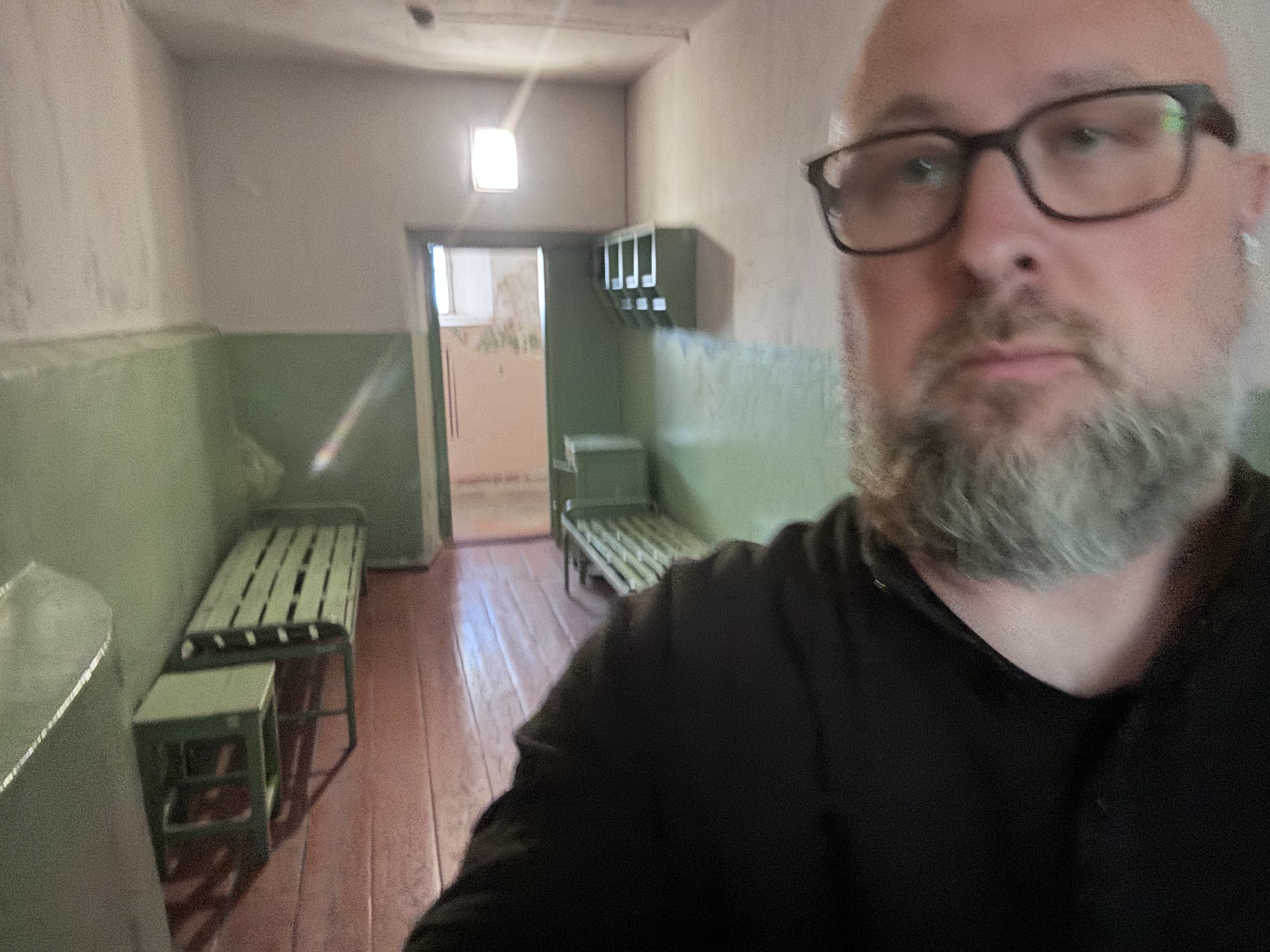
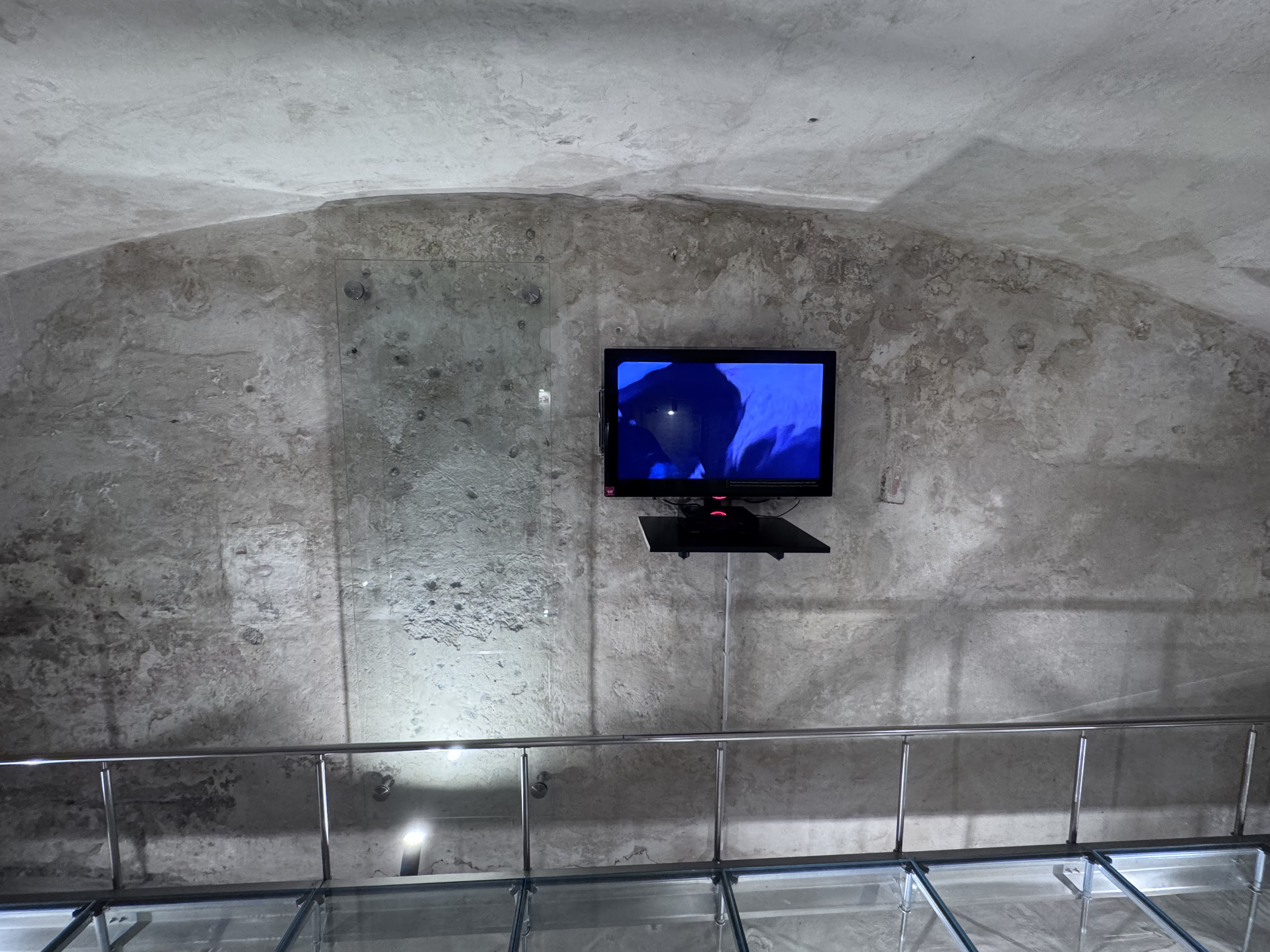
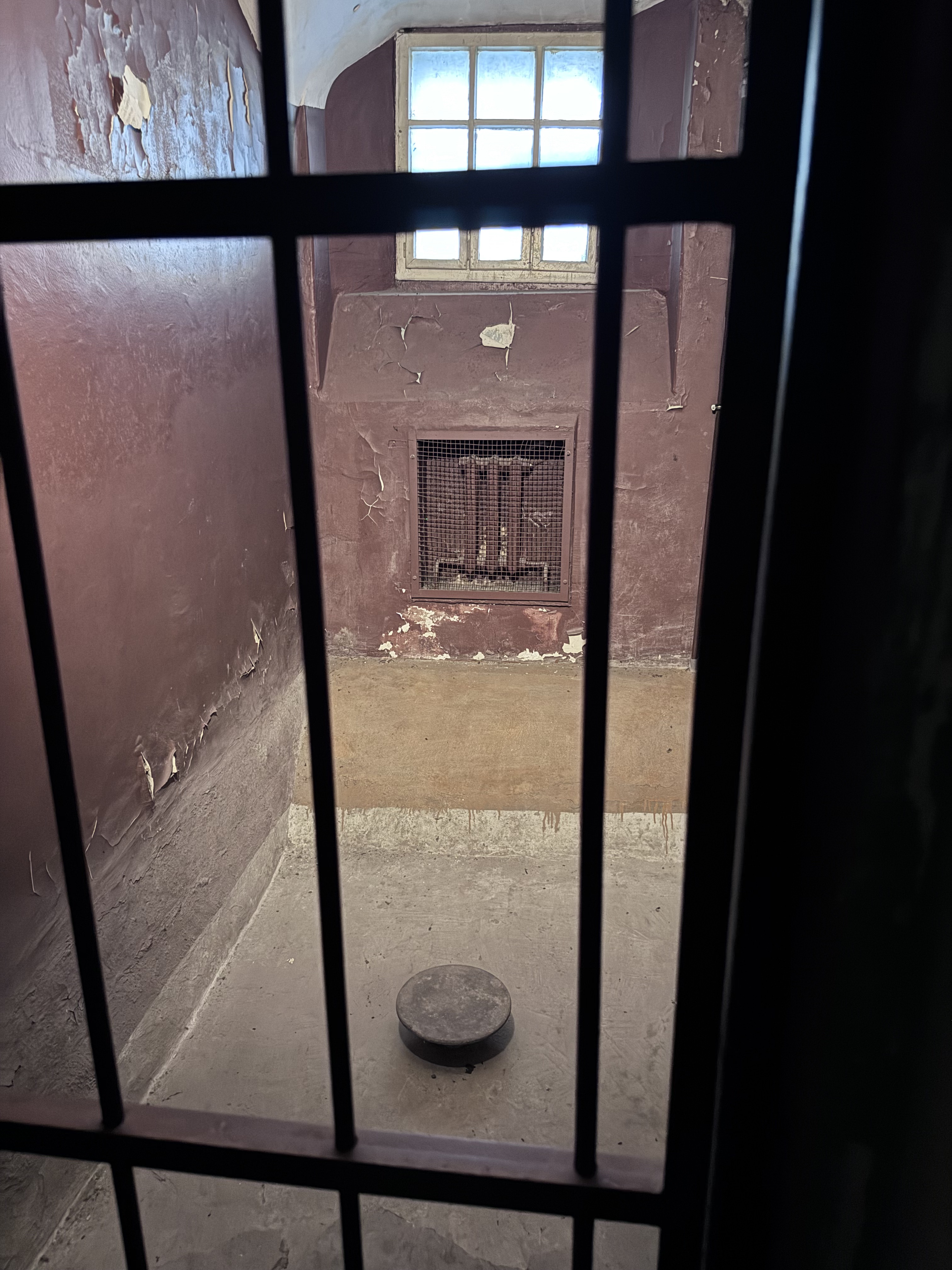
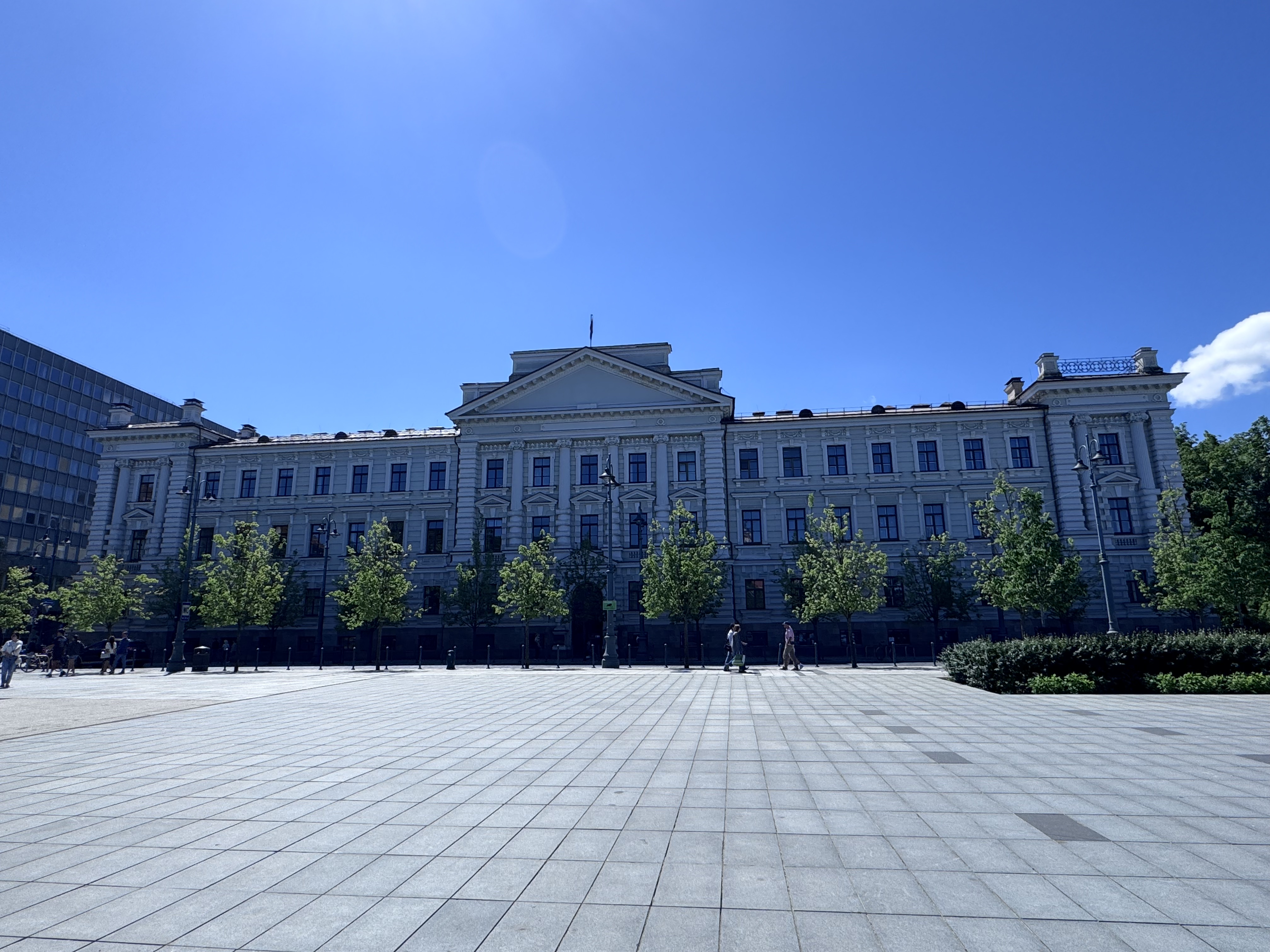
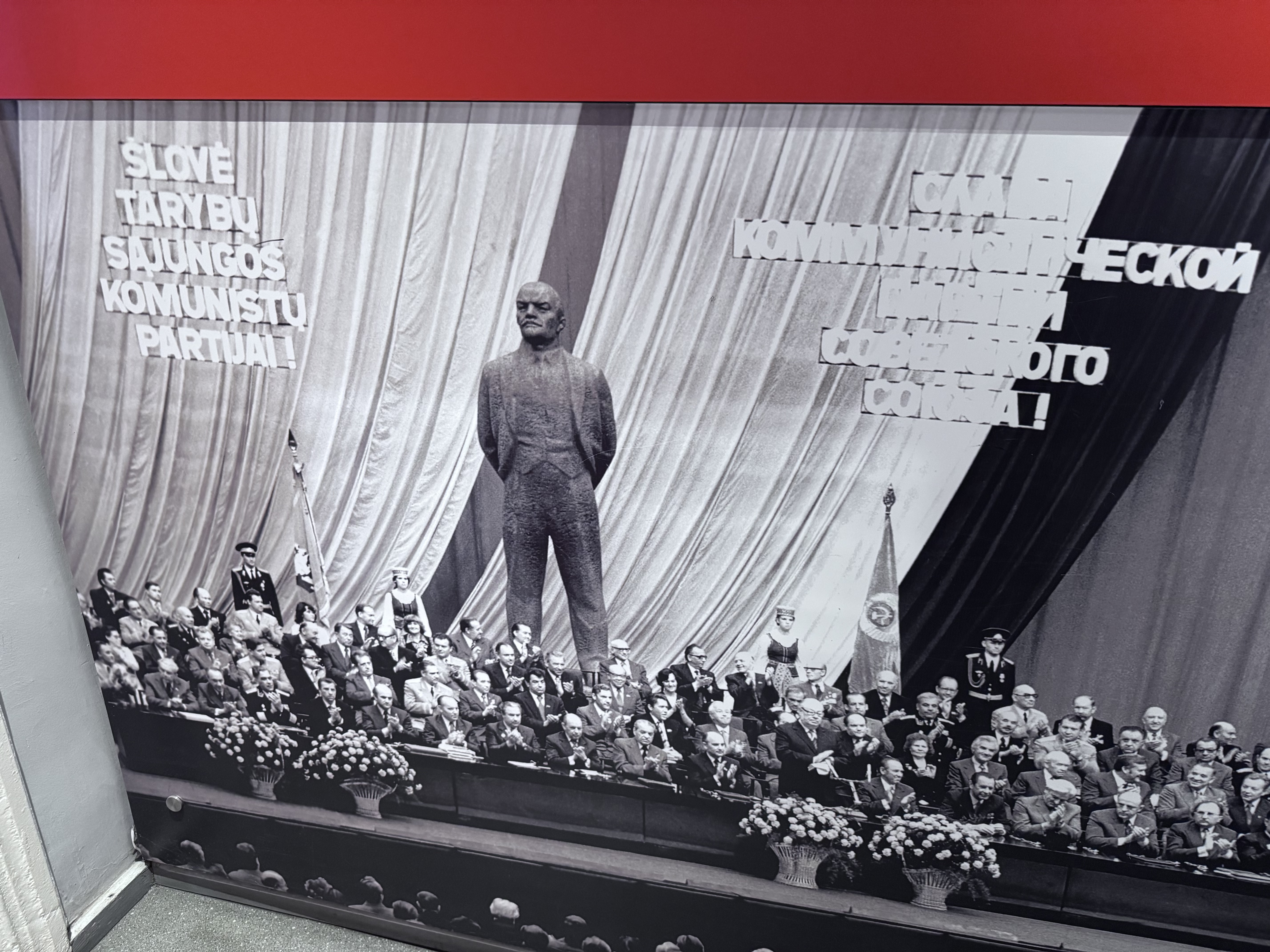
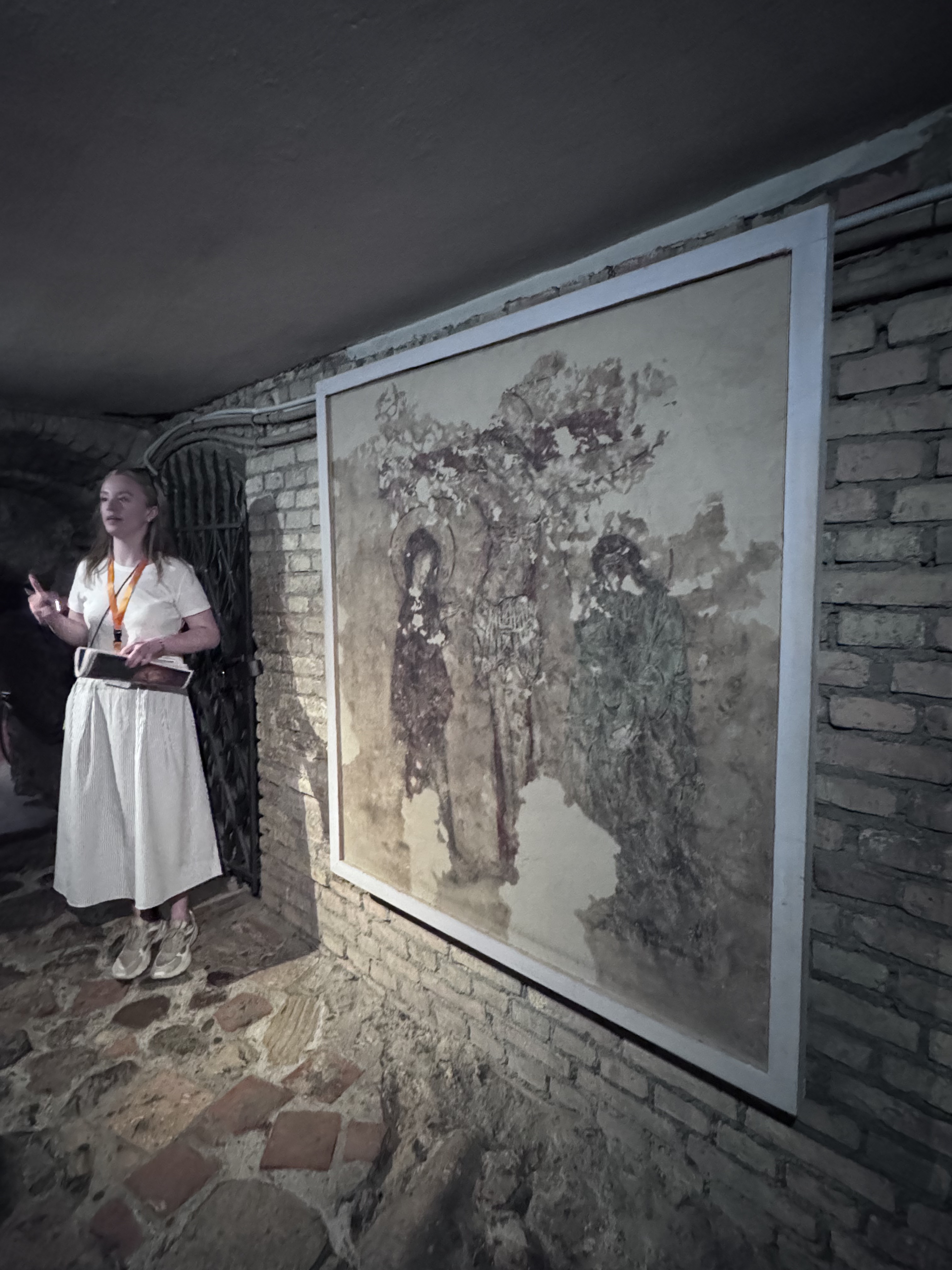
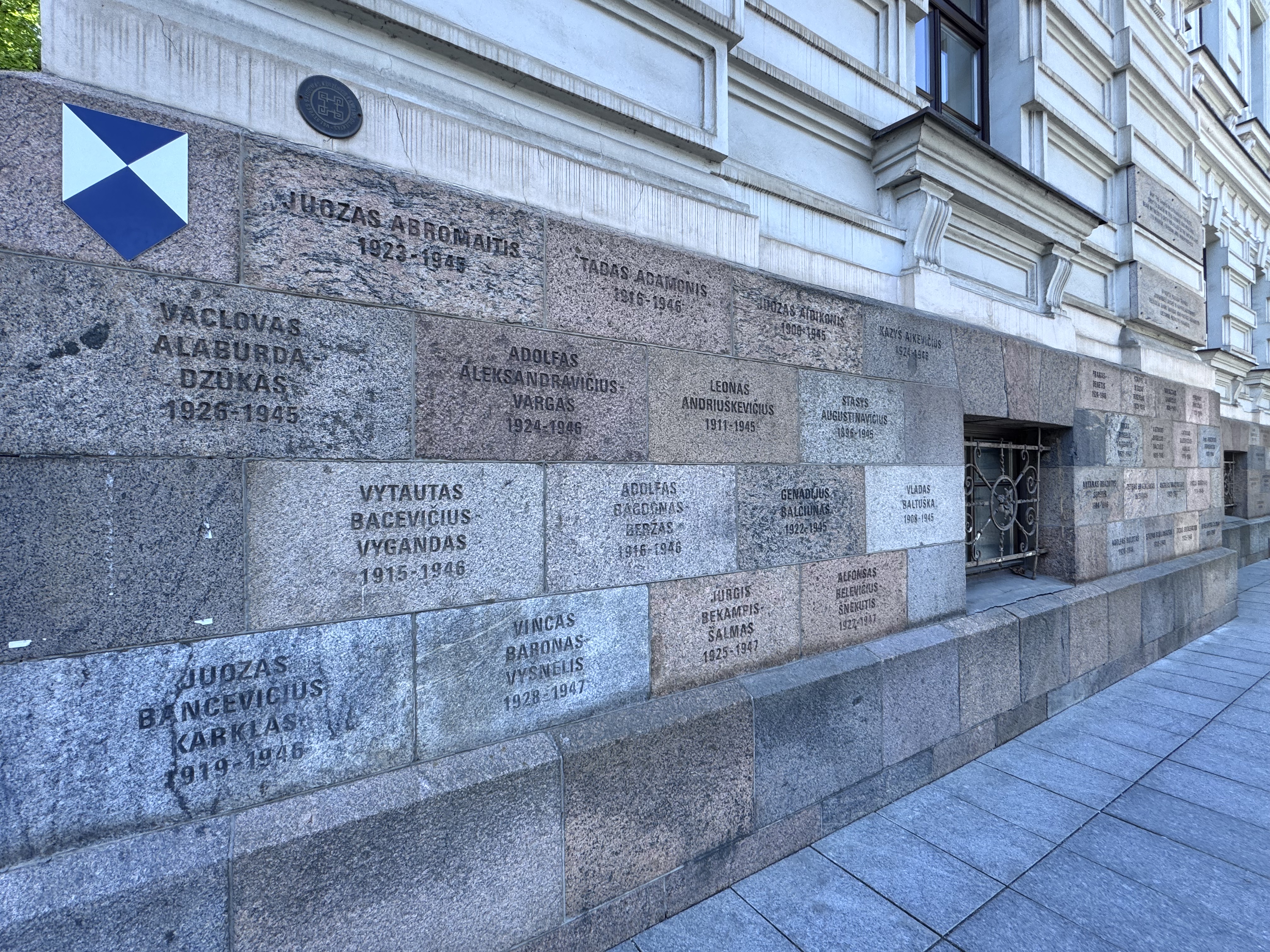
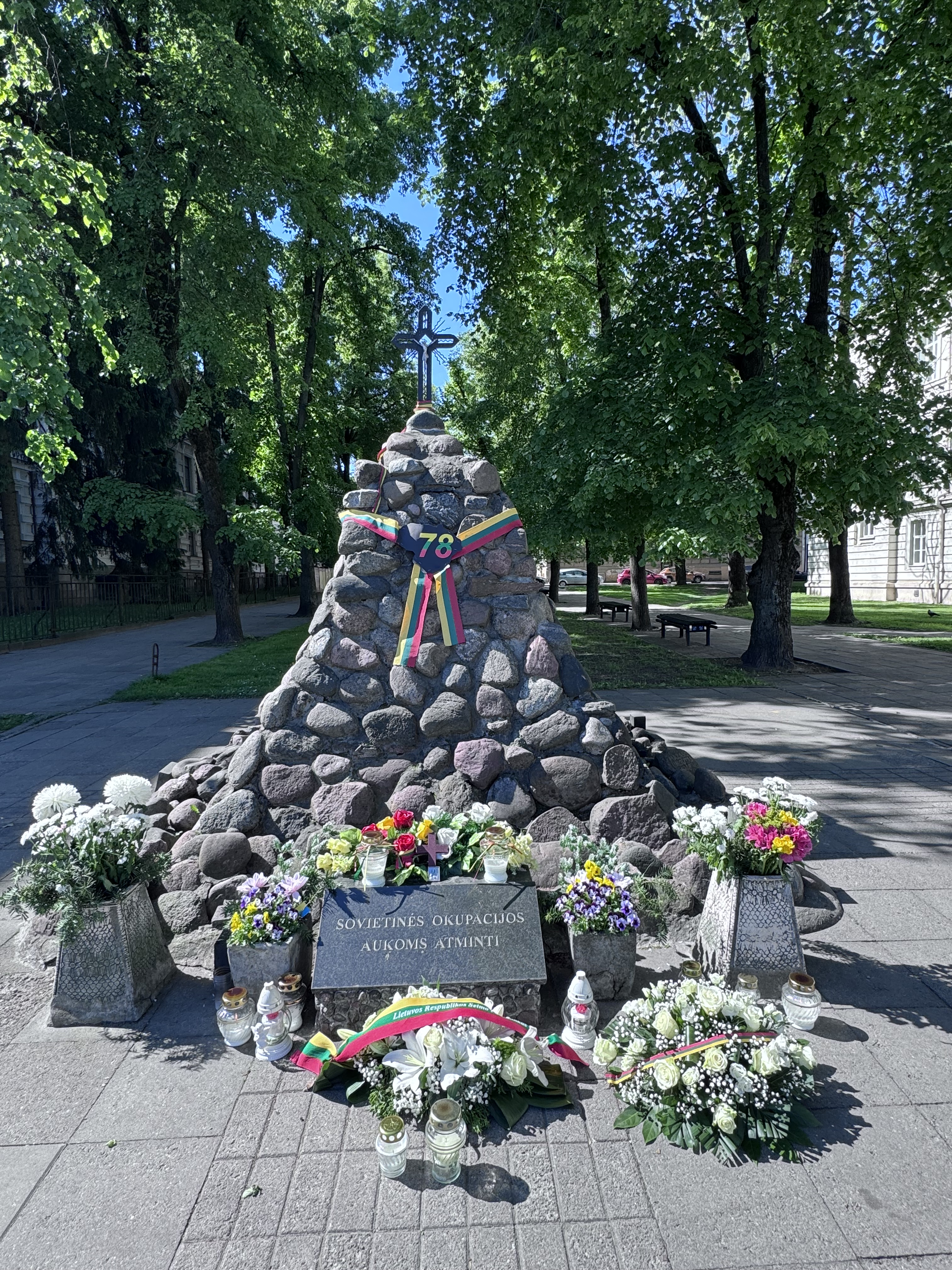
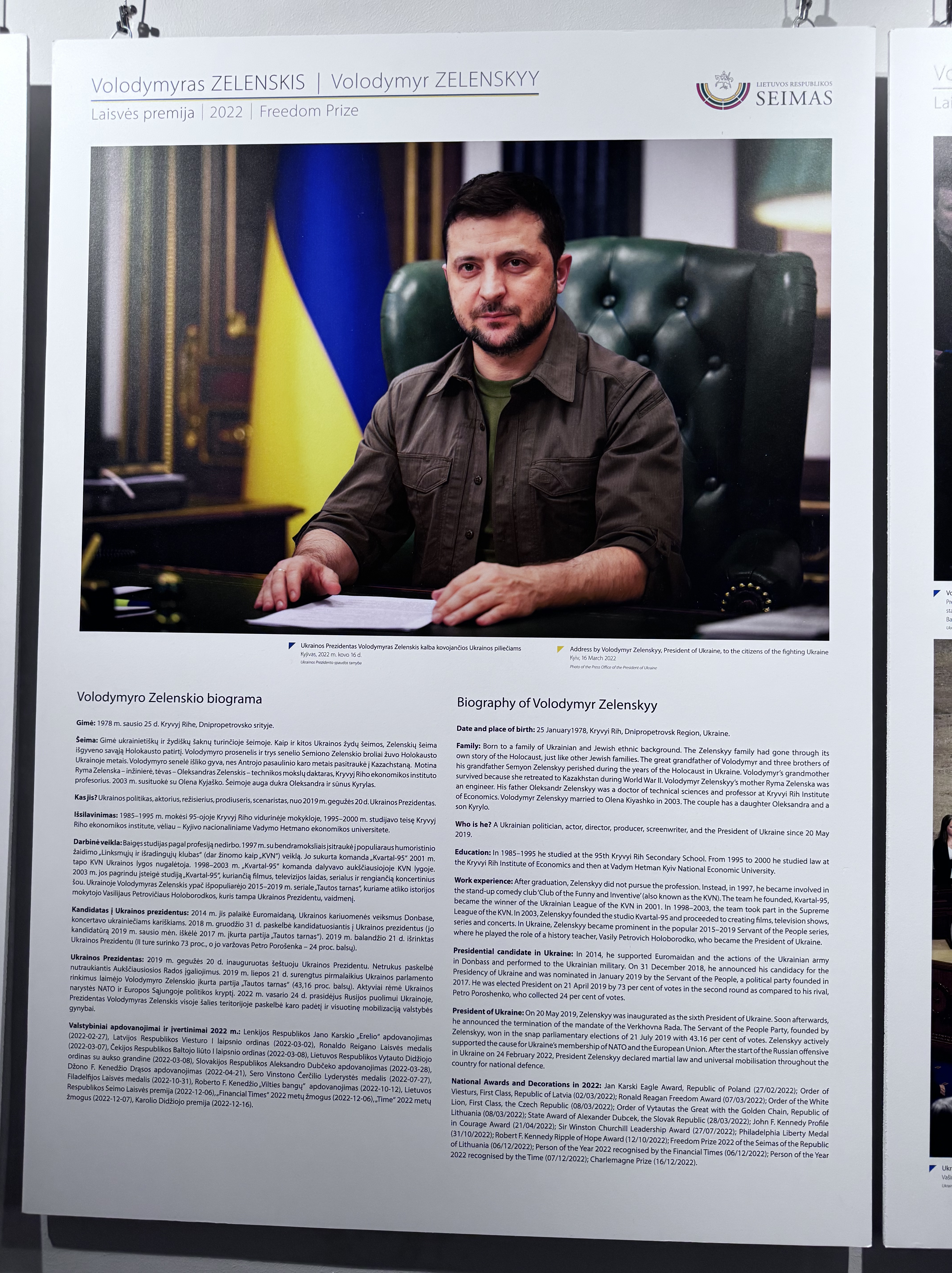
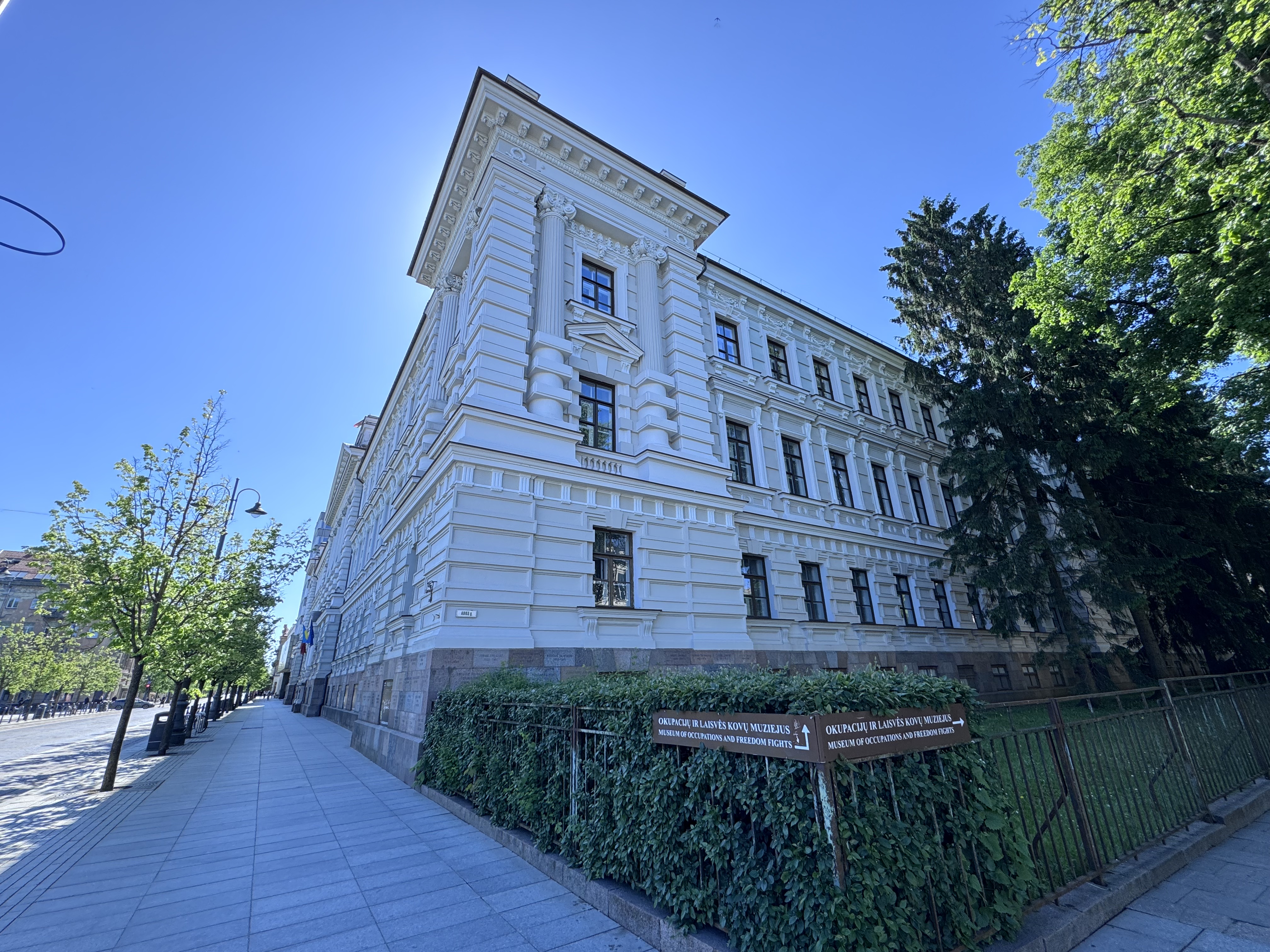
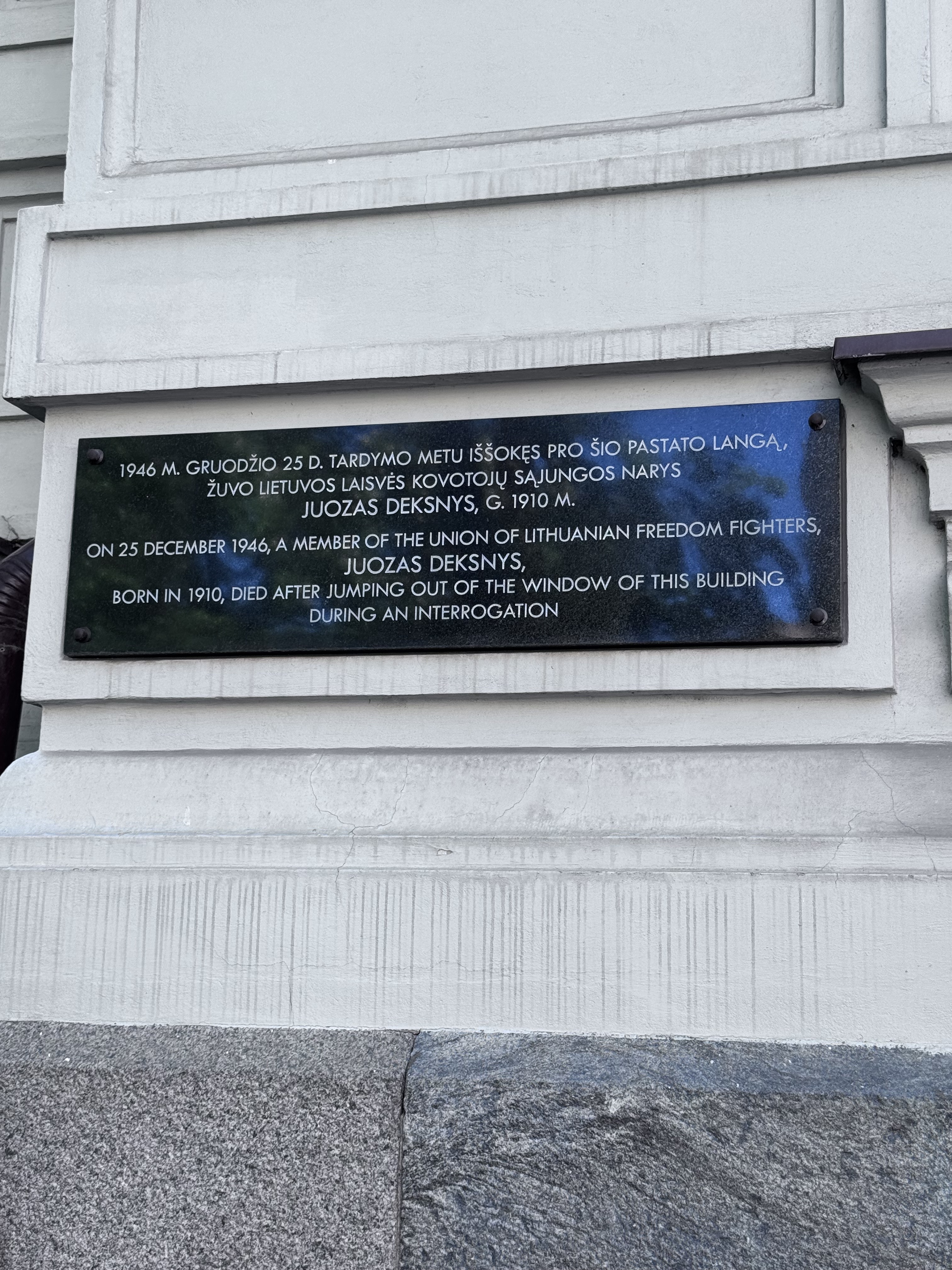
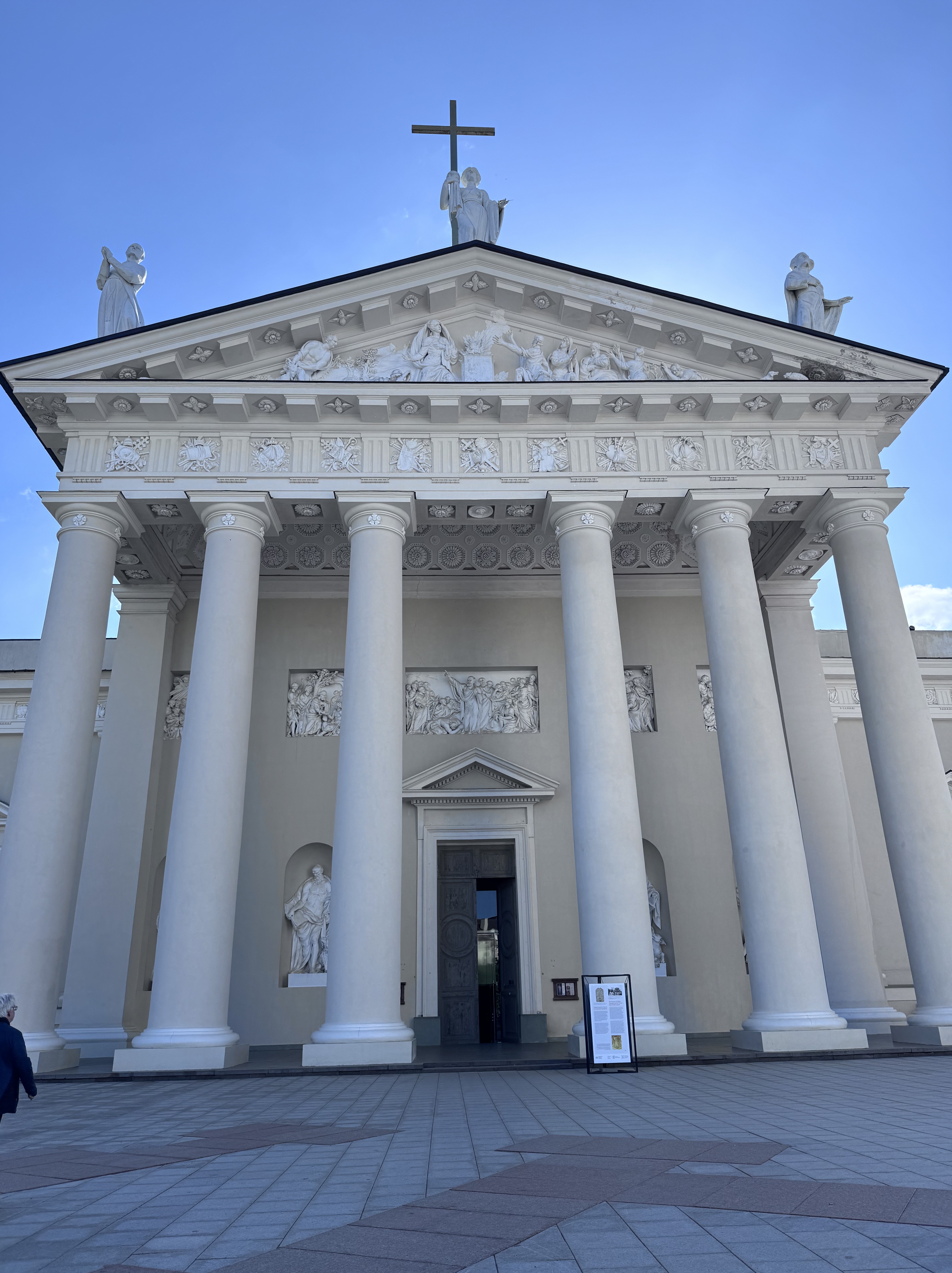
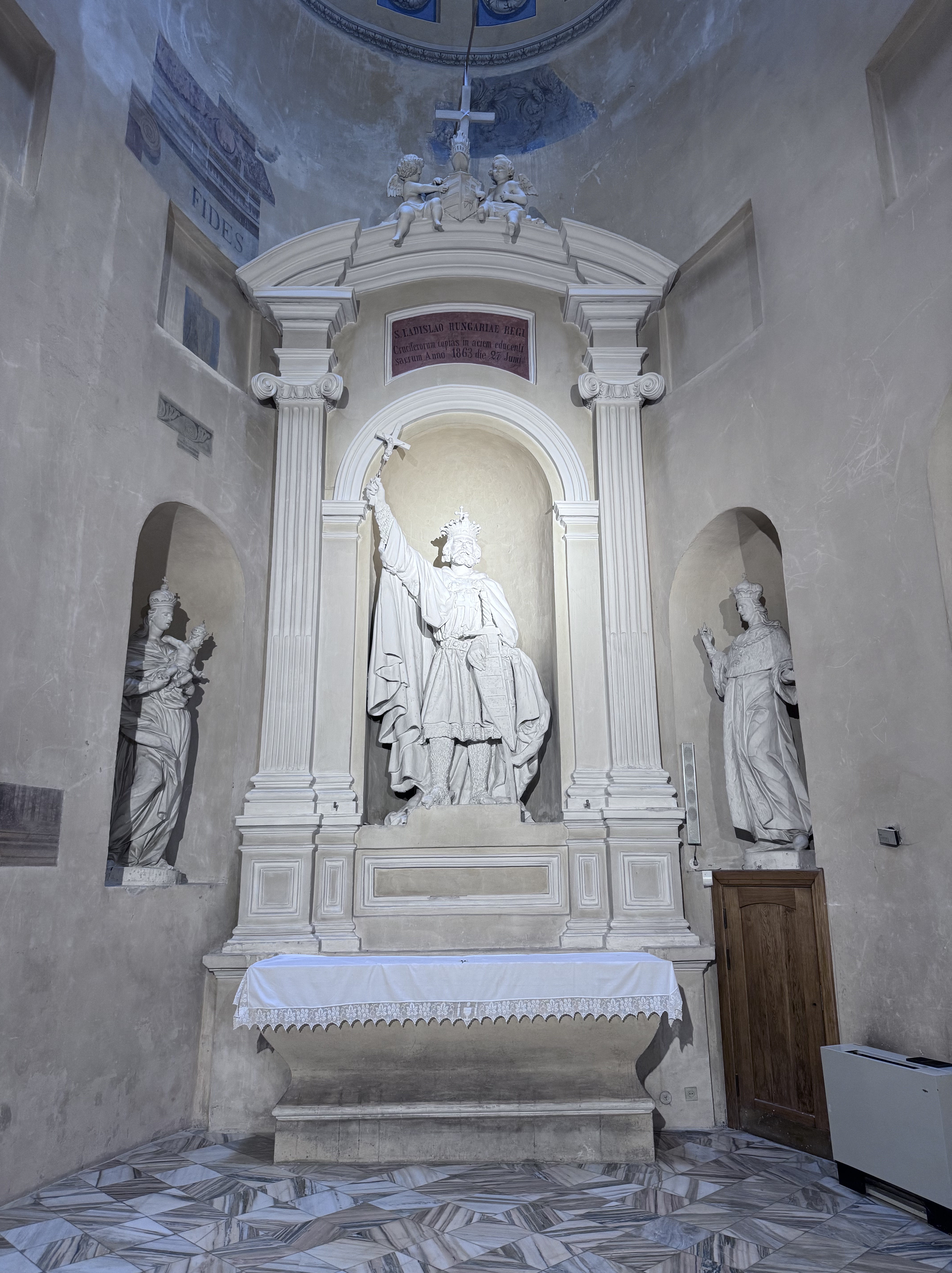
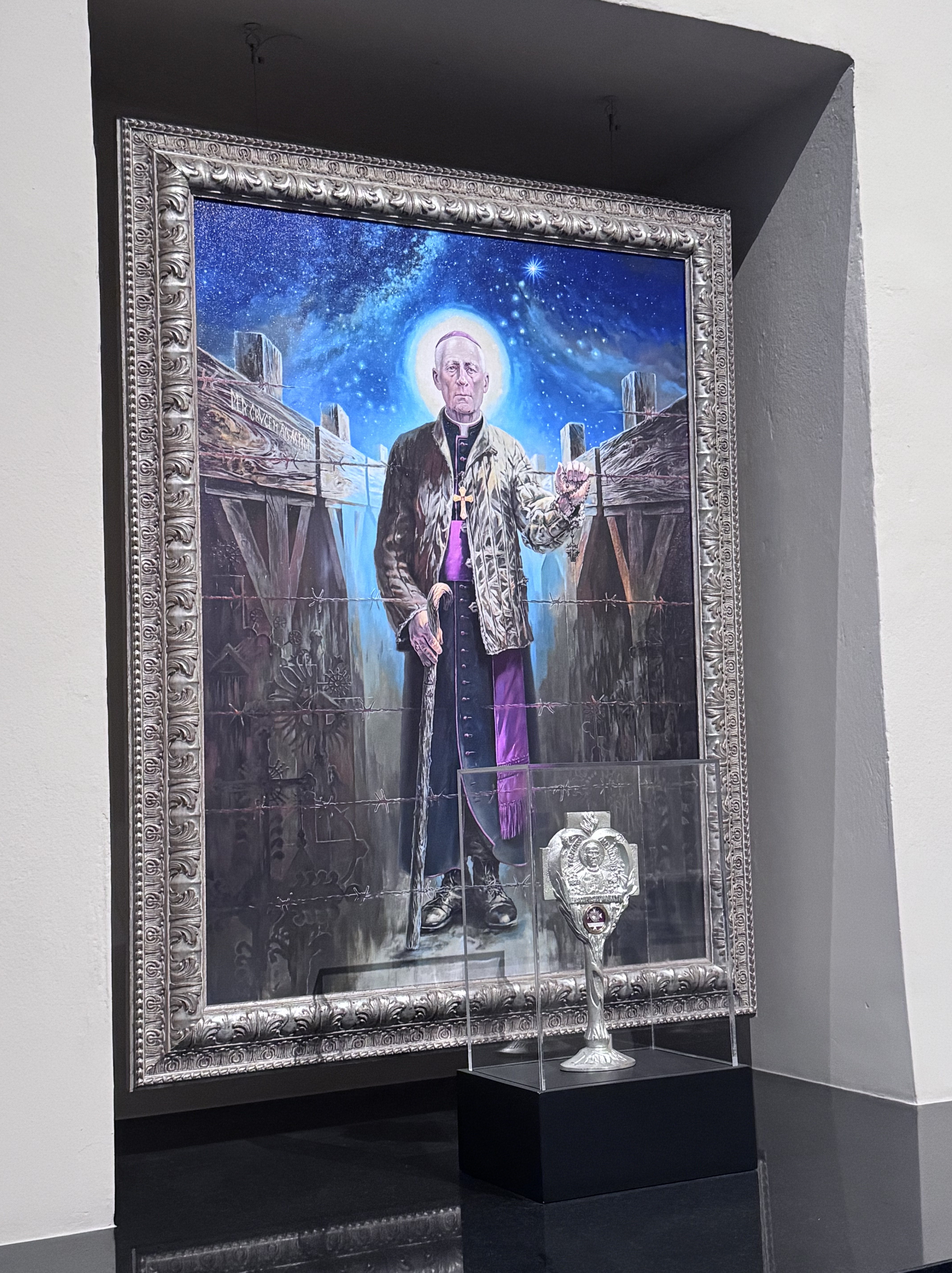
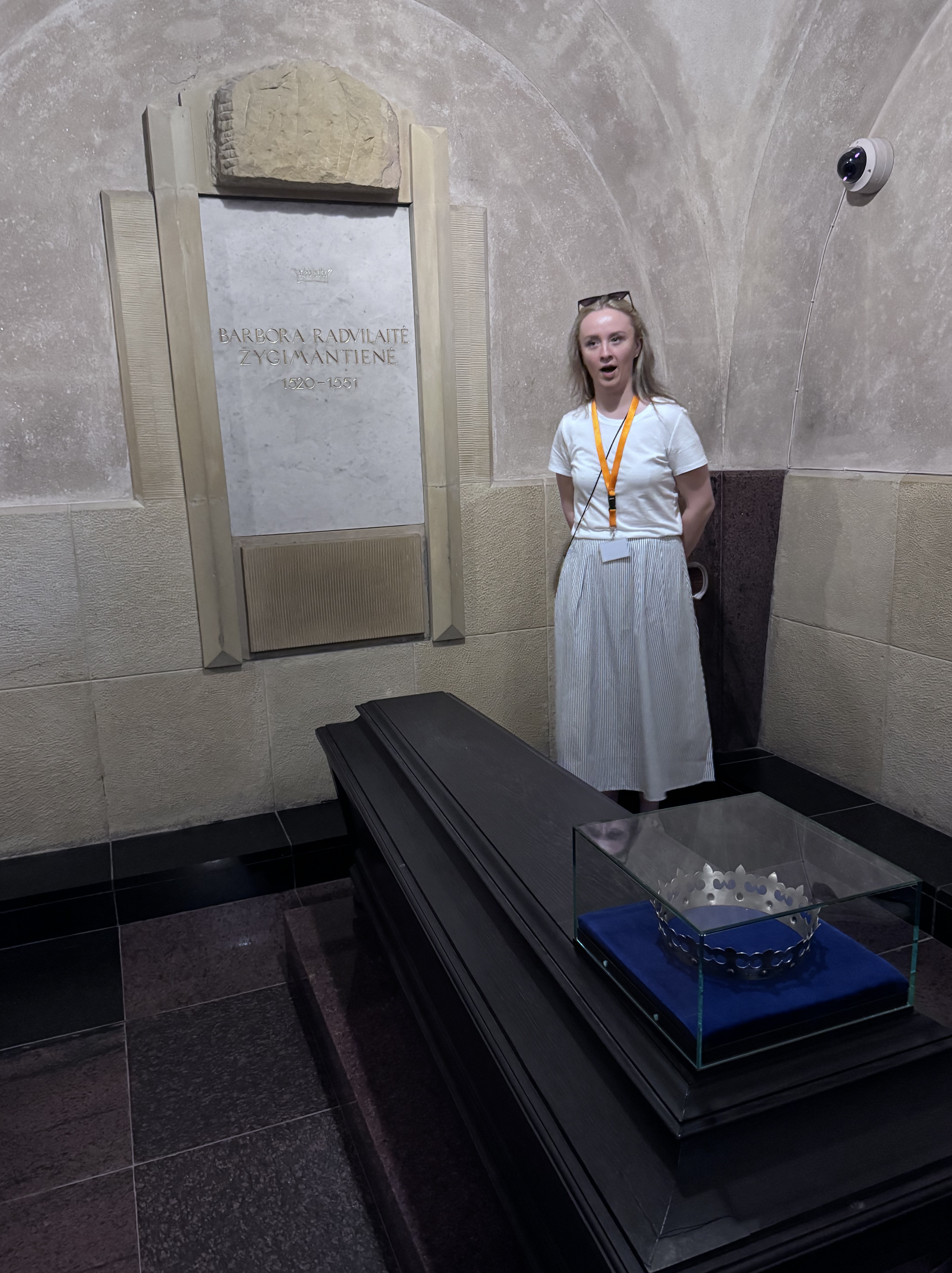
During my free time, I explored The Museum of Occupations and Freedom Fights, located inside of the former KGB building in Vilnius. The prison cells in the basement were disturbing, as was the execution room, where thousands of dissidents were murdered. I also visited the Cathedral Basilica of St. Stanislaus and St. Ladislaus of Vilnius, the main Catholic Cathedral in Vilnius. I also explored the history of Vilnius and Lithuanian Christianity with the tour of the Basilica’s catacombs. Vilnius is a beautiful city, and its solidarity with the Ukrainian cause is admirable. Ukrainian flags were seen throughout the city, as its own memory of occupation by the Soviet Union is invoked with each missile Putin launches into Ukraine.
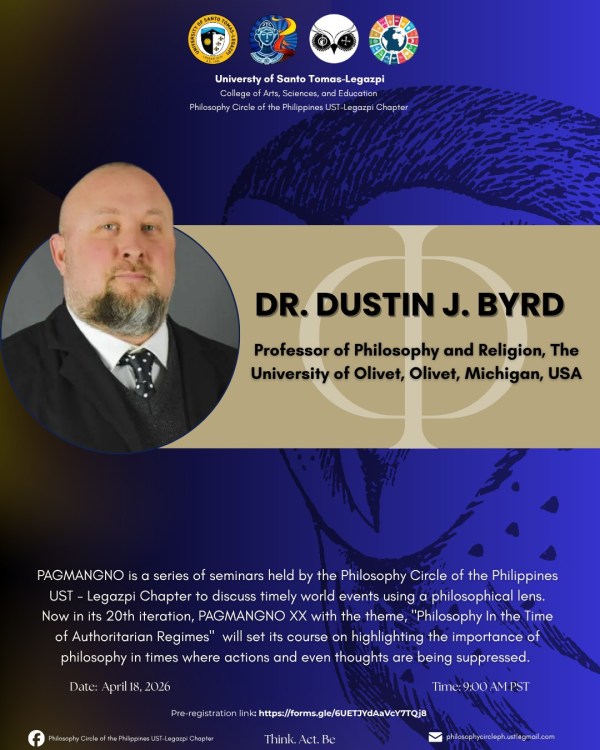
On April 18, 2026, I had the wonderful opportunity to join the PAGMANGNO series of seminars held by the Philosophy Circle of the Philippines – Legazpi Chapter. In its 20th iteration, PAGMANGNO XX adopted the theme, “Philosophy in the Time of Authoritarian Regimes,” highlighting the importance of philosophy in times where actions and thoughts are being suppressed. I would like to thank my dear brother Hadje Cresencio Sadje who initiated the invitation, as well as the amazing students who had excellent questions.
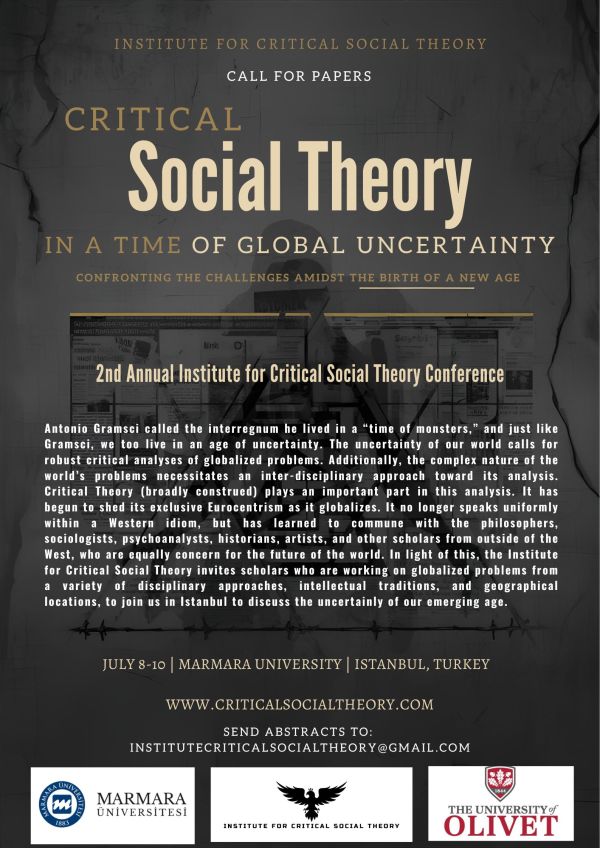
The Institute for Critical Social Theory has released its Call for Papers for the 2026 conference at Marmara University in Istanbul, Turkey. The theme of this year’s conference is “Critical Social Theory in an Age of Global Uncertainty.” We, the organizers, would love to see you all there. Send us an abstract! For more details, see the full Call for Papers below:
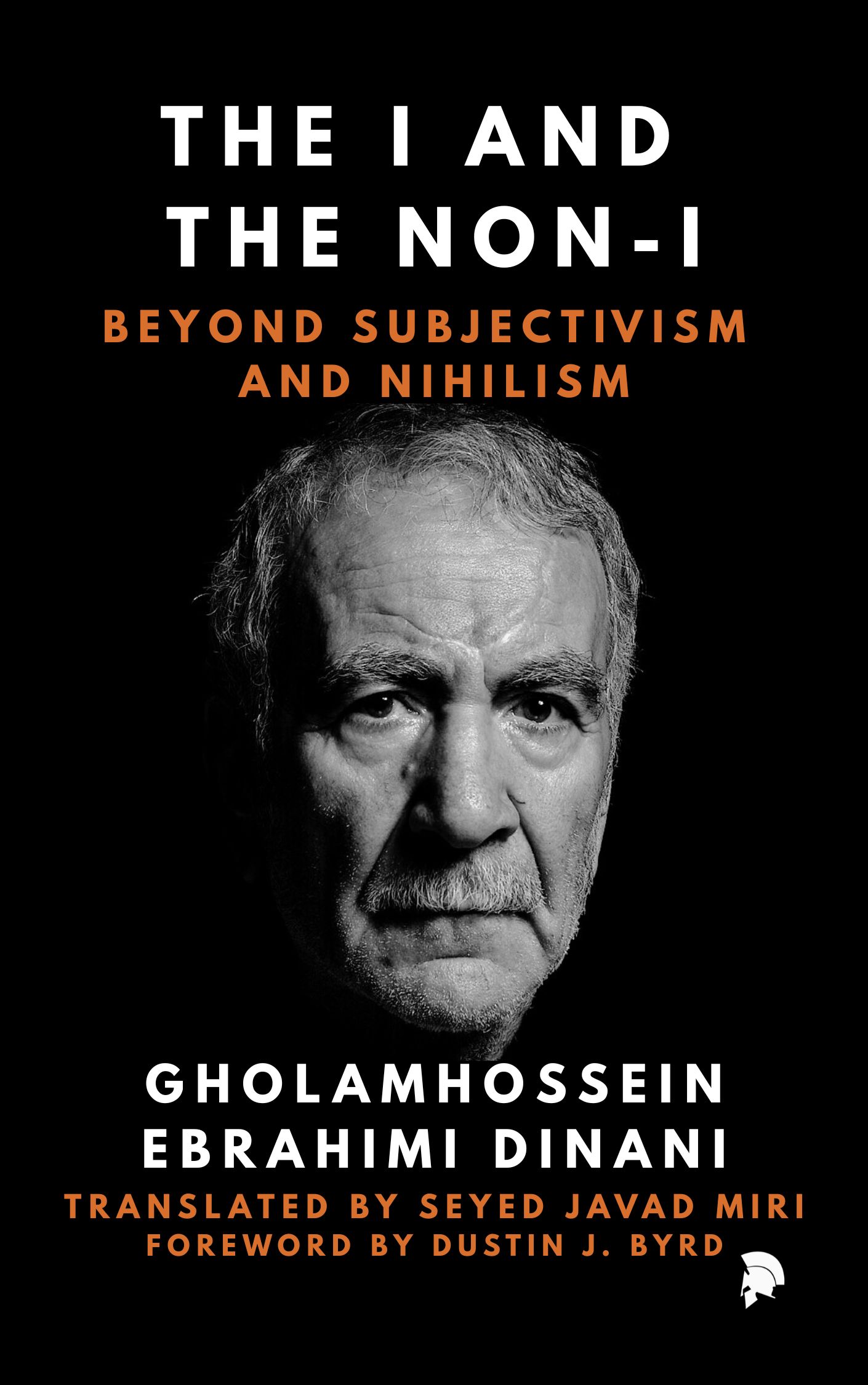
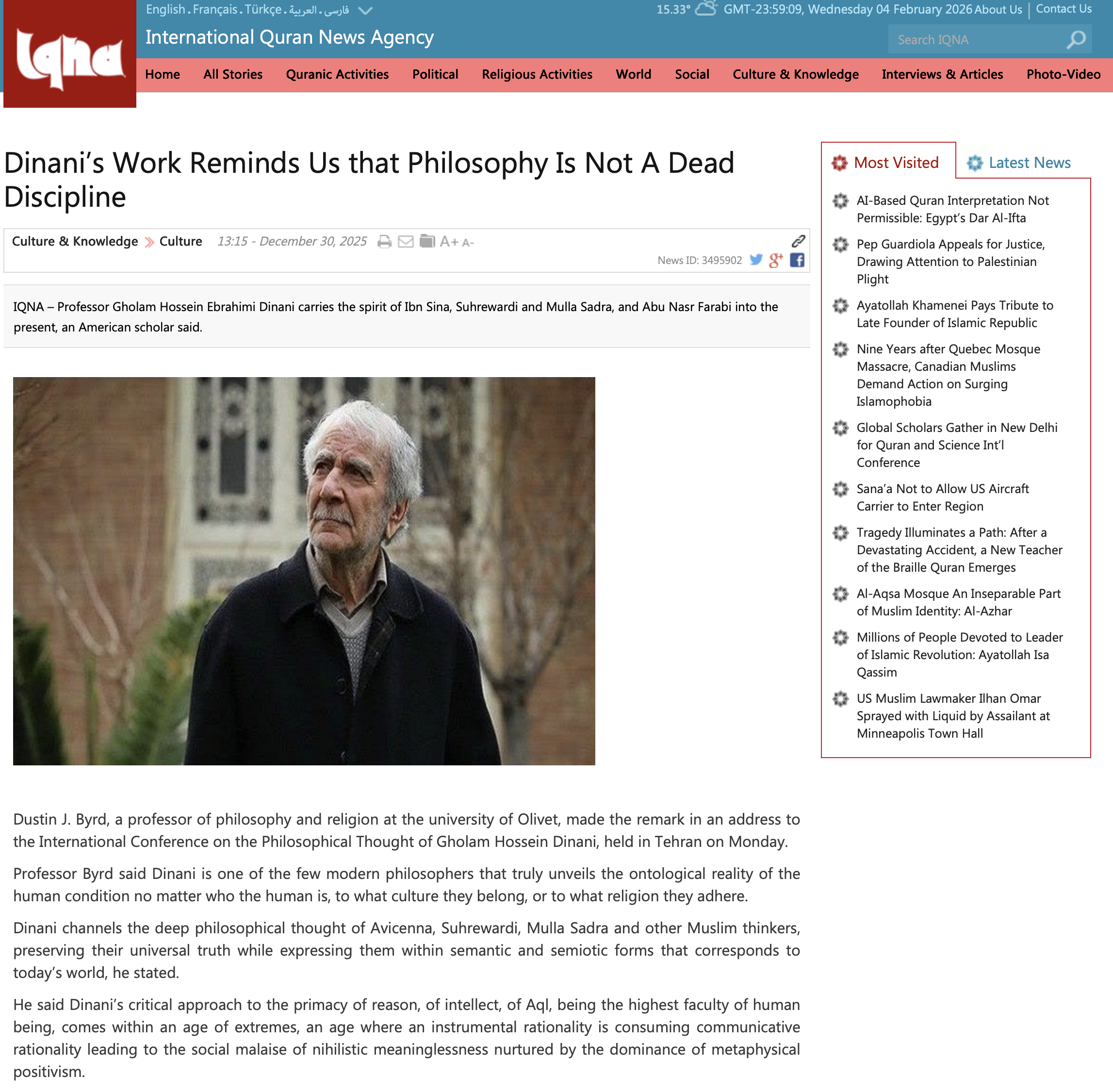
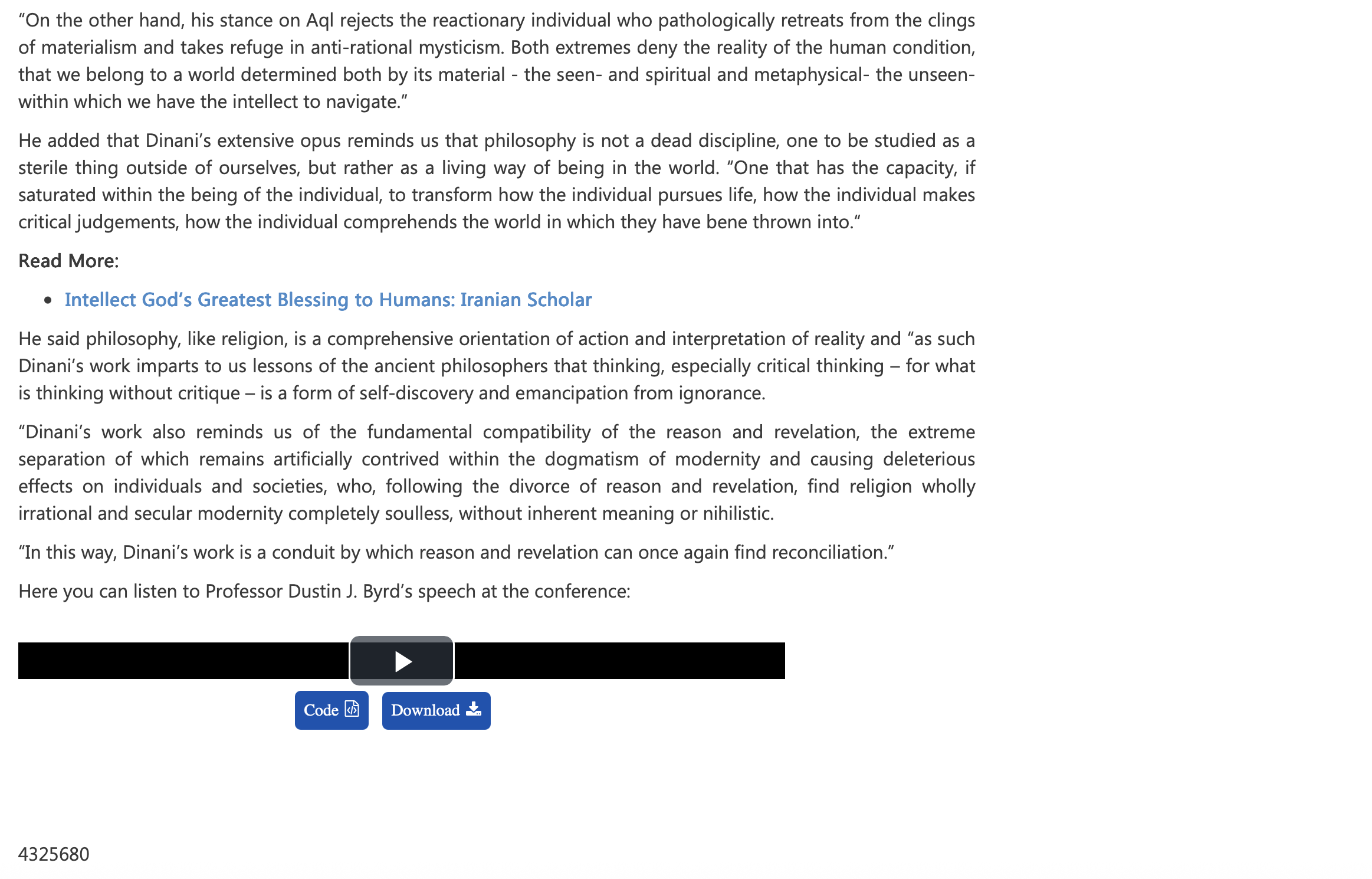
Just before the internet was shut off in Iran during the nationwide protests, I gave a short address on the Iranian philosopher, Gholamhossein Ebrahimi Dinani, at the Institute for Humanities and Cultural Studied in Tehran. Dinani is a towering figure in Iranian philosophy, yet is not well known in the West, which is a crime. The address was in conjunction with the publication of Dinani’s book, “The I and the Non-I: Beyond Subjectivism and Nihilism,” published by Ekpyrosis Press. The book was translated from Farsi to English by Seyed Javad Miri, and I wrote the foreword. The article below is about my talk and there is an audio link below through which you can listen to my talk.
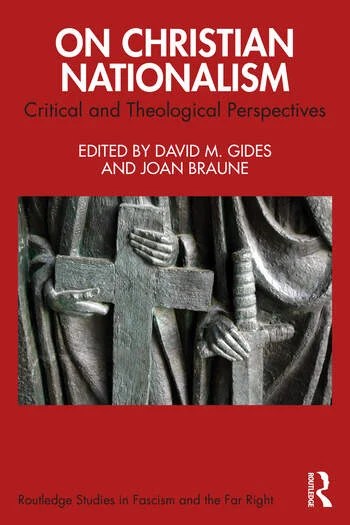
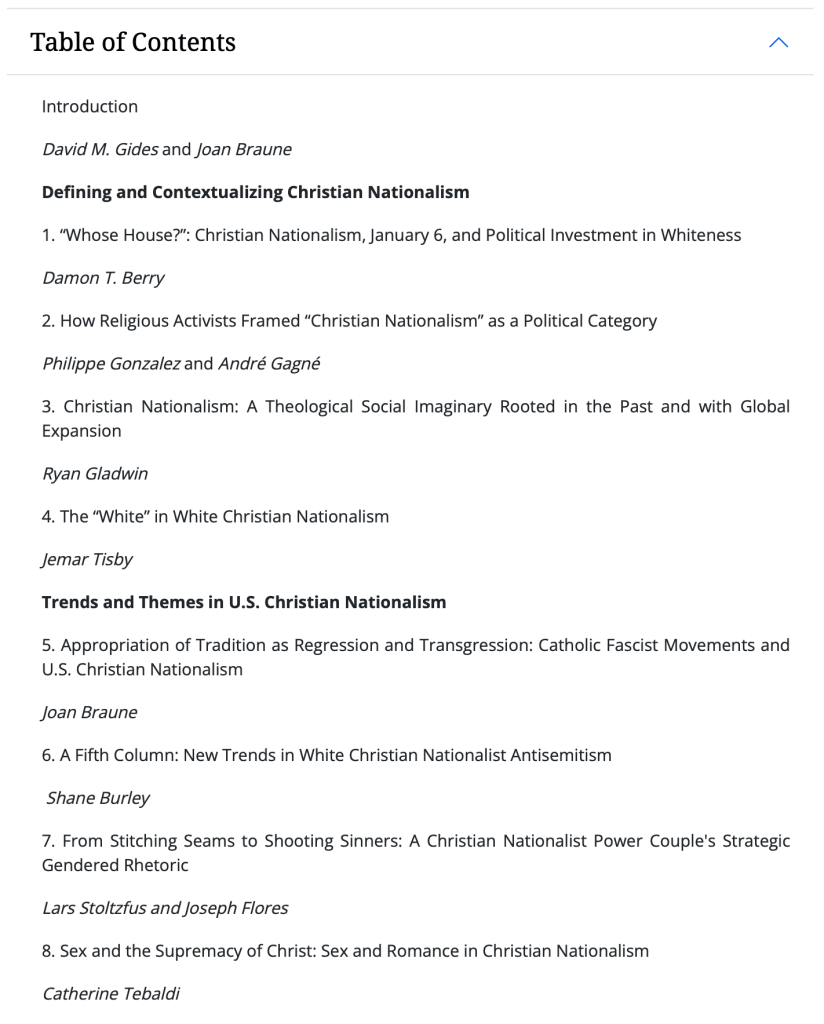
In late November 2025, Routledge just released the edited volume, On Christian Nationalism: Critical and Theological Perspectives, edited by David M. Gides and Joan Braune. In it, I have a chapter entitled, “Messianic Ruscism: Christian Nationalism and the Lure of Putin’s Russkii Mir,” which discusses why certain American Christian Nationalists look to palingenetic Russia, with its reversal of Soviet theomachism for the resurgence of Orthodoxy and autocracy, as a model of what they’d like to do in America. The “symphonia” of the Russian Orthodox Church and the Putinist state is a template for a renewal of “Christian America” for many self-avowed Christian Nationalists, who see “shared values” in the conservative values of the anti-West politics of Putin (and Alexander Dugin). Obviously, I’m deeply critical of this vision for America as well as for Russia. Get yourself a copy of this book. Joan and David did an excellent job!
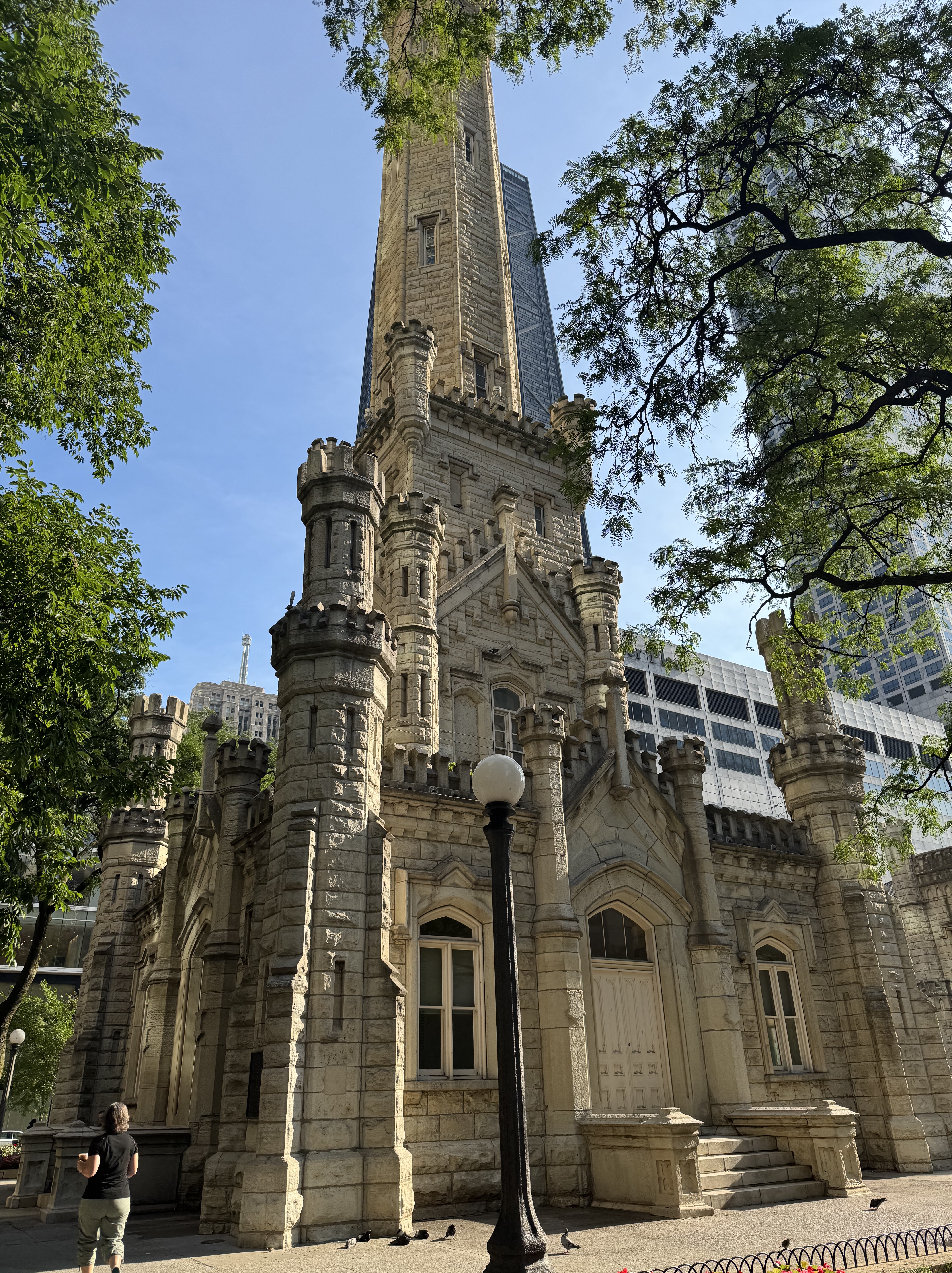
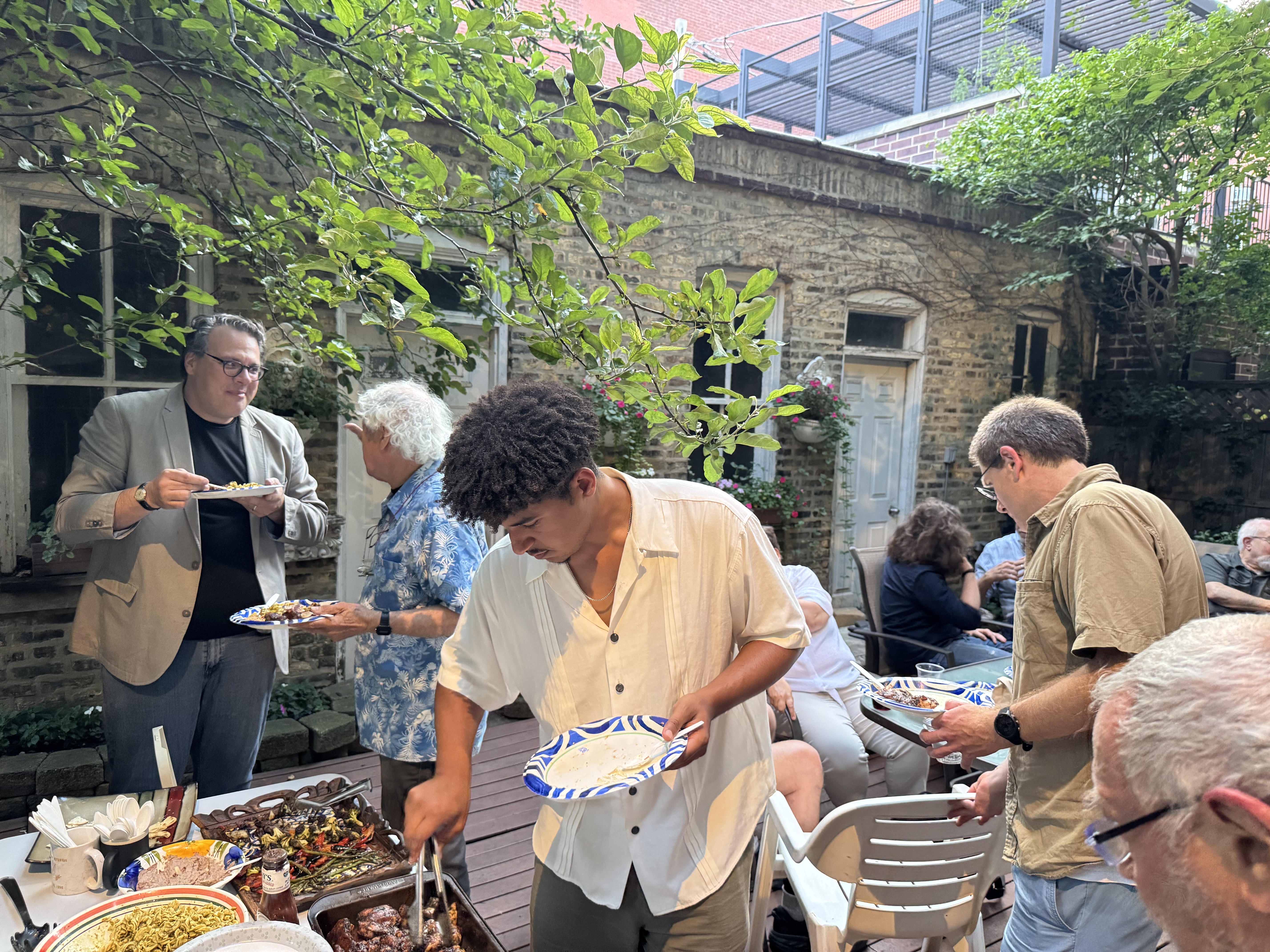
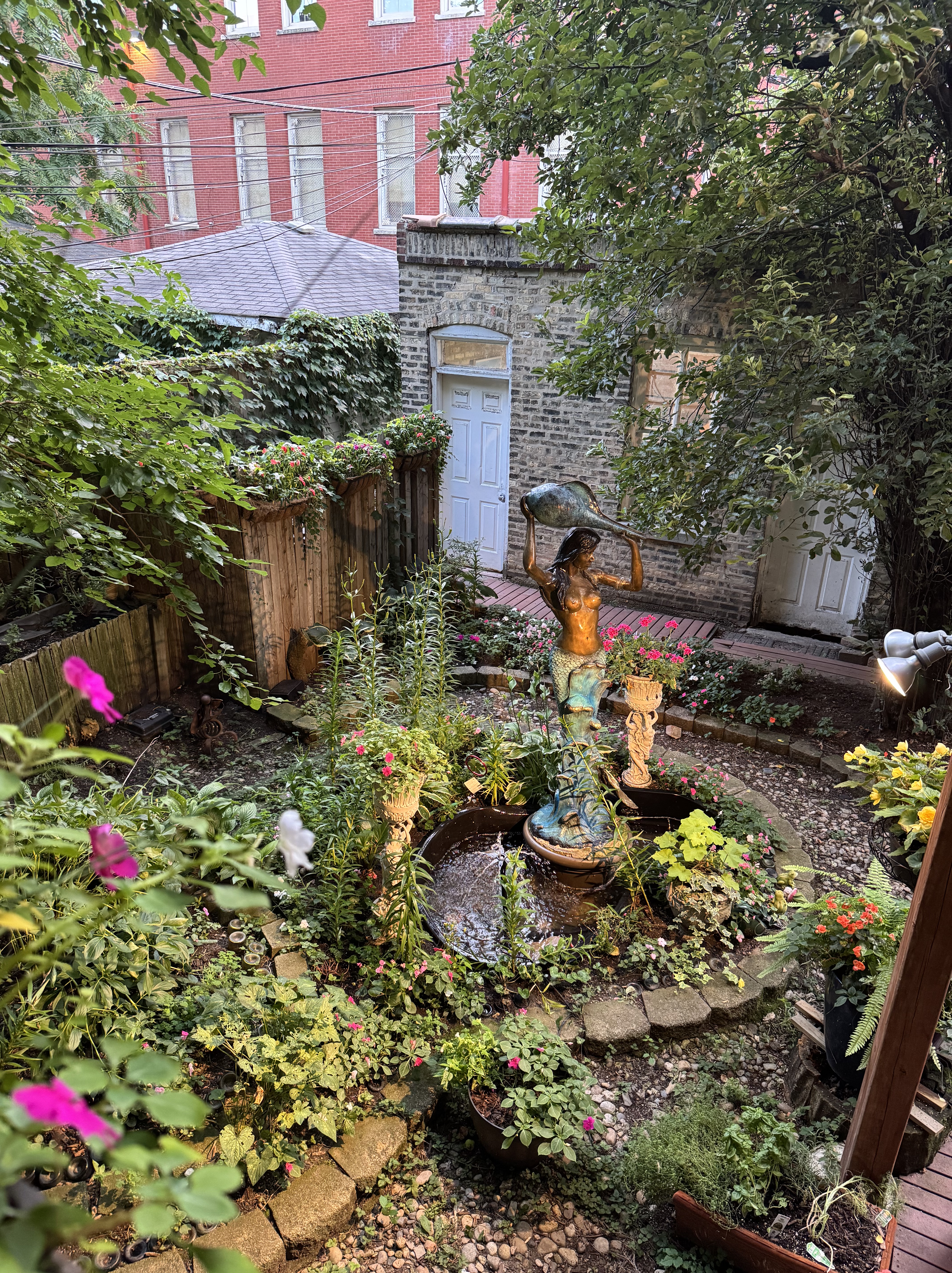
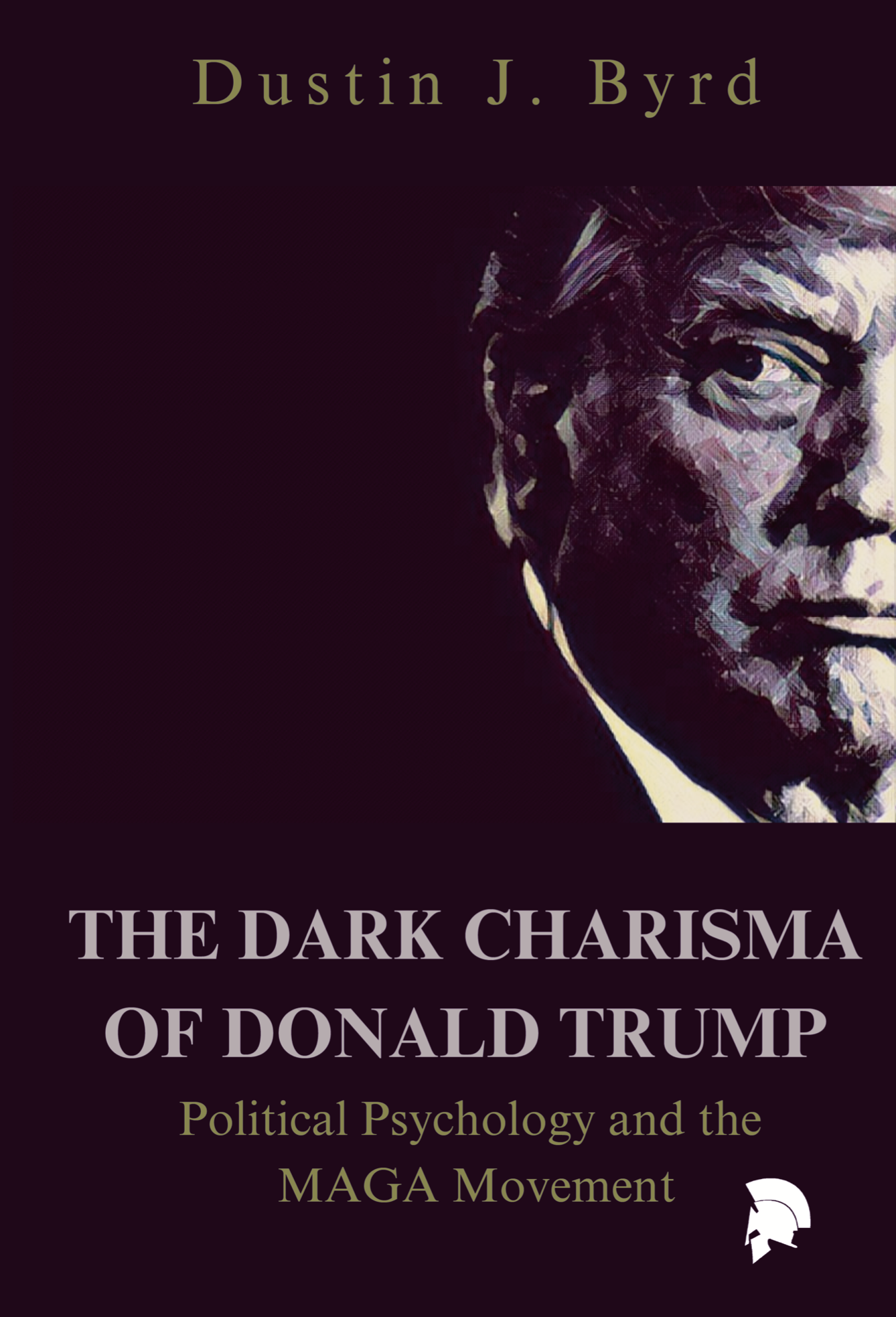
On August 7th, I had the wonderful opportunity to discuss my book, The Dark Charisma of Donald Trump: Political Psychology and the MAGA Movement, at the Self Society Symposium (SSS) at Loyola University in Chicago. The SSS is coordinated by the great scholar, Lauren Langman, of Loyola University. I was joined by many other sociologists, psychologists, theologians, and philosophers to discuss ongoing issues in our society, especially the U.S. drift towards authoritarianism. In my presentation, I used Erich Fromm’s notion of the “Magic Helper,” found in his seminal 1941 book, Escape from Freedom, to highlight how Trump’s most submissive devotees perceive him as a national messianic force. We had a wonderful dinner and discourse the night before our symposium at Lauren’s house in Lincoln Park, for which Lauren was the most gracious host.
If you are interested in my book, The Dark Charisma of Donald Trump: Political Psychology and the MAGA Movement, it is available three different ways: Ekpyrosis Press Website; Amazon; Lulu.
The book, The Many Faces of Christianism: The ‘Russian World in Europe, edited by Mariëtta van der Tol, Sophia R.C. Johnson, Petr Kratochvíl, and Zoran Grazdanov, has just been published by DeGruyter-Brill, in their Political and Public Theologies series. In this book, I have a chapter entitled, “From St. Paul and Carl Schmitt to Alexander Dugin: The Katechon as a Political Category in Empire building,” wherein I trace the development of the notion of the “Katechon” (The Restrainer of the Apocalypse) through St. Paul’s theology, Schmitt’s political theology, and Dugin’s political philosophy. This book chapter came out of a paper I presented at a 2023 conference, Political Theologies after Christendom, at the University of Oxford, New College. The former Archbishop of Canterbury, Justin Welby, has written the forward. I’d like to send a big thanks to all those who contributed to the book, and to all those who edited the book; it is a work of sheer genius!
An email response from a colleague: “Having just read your excellent article “The Russian Restrainer of the Apocalypse: The Katechon in St. Paul, Carl Schmitt, and Alexander Dugin,” I would like to express my admiration and hope that your astute analysis will be widely read.” ~ Dr. Michael Hagemeister (Ruhr University Bochum Germany, Department of East European History).
If you’d like to read my chapter, you can download it below:















 dustinjbyrd
