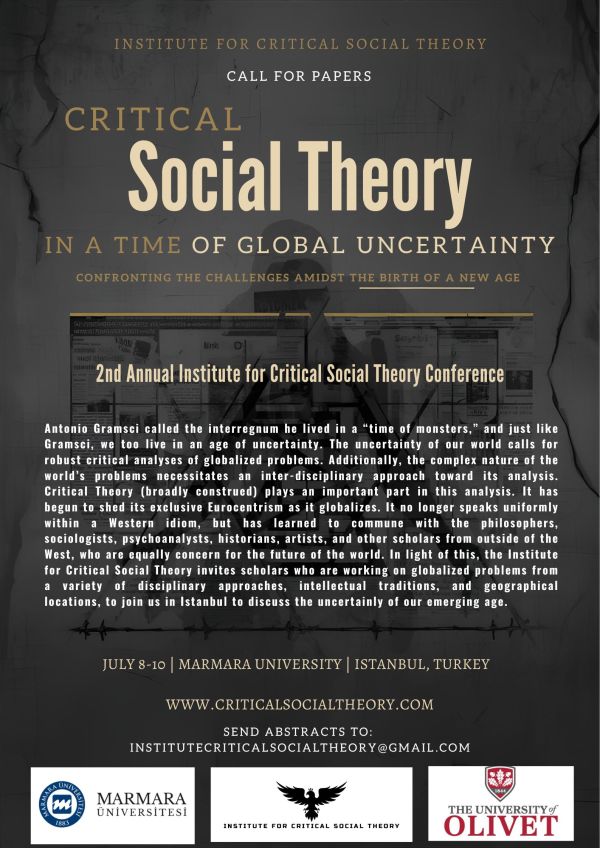
The Institute for Critical Social Theory has released its Call for Papers for the 2026 conference at Marmara University in Istanbul, Turkey. The theme of this year’s conference is “Critical Social Theory in an Age of Global Uncertainty.” We, the organizers, would love to see you all there. Send us an abstract! For more details, see the full Call for Papers below:
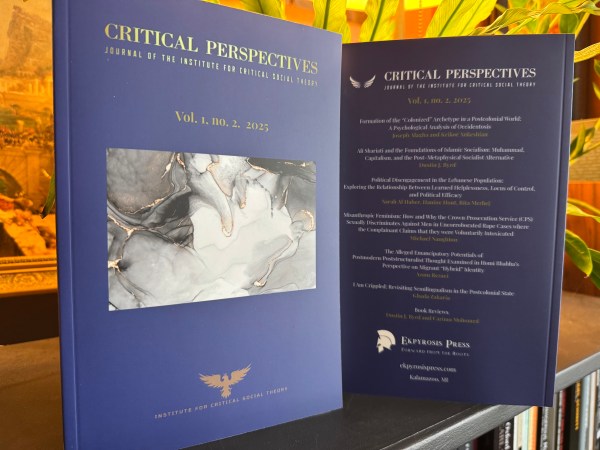
Critical Perspectives, the journal of the Institute for Critical Social Theory, has just released Vol. 1, no. 2. It was published in December by Ekpyrosis Press. In it I have an article entitled, “Ali Shariati and the Foundations of Islamic Socialism: Muhammad, Capitalism, and the Post-Metaphysical Socialist Alternative.” I also wrote a book review of Jack El-Hai’s The Nazi and the Psychiatrist: Herman Göring, Dr. Douglas M. Kelley, and a Fatal meeting of Minds at the End of the WWII.
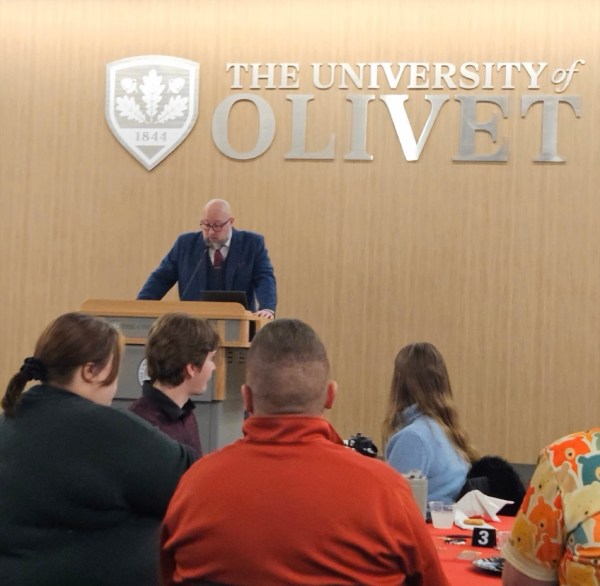
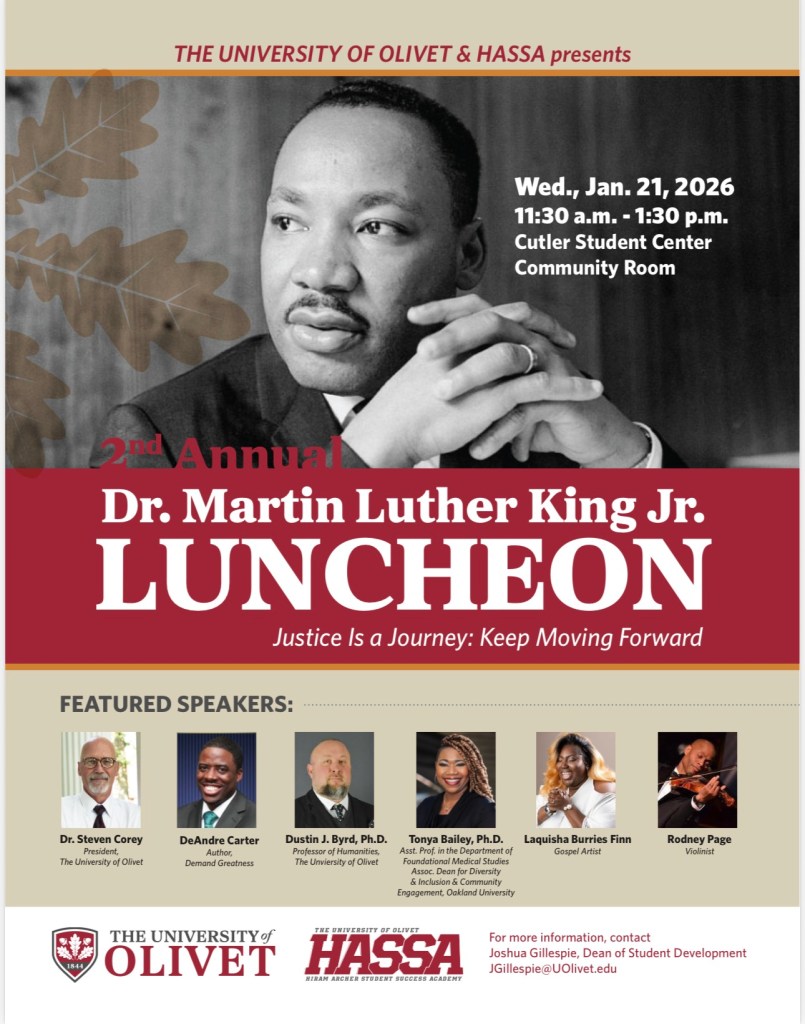
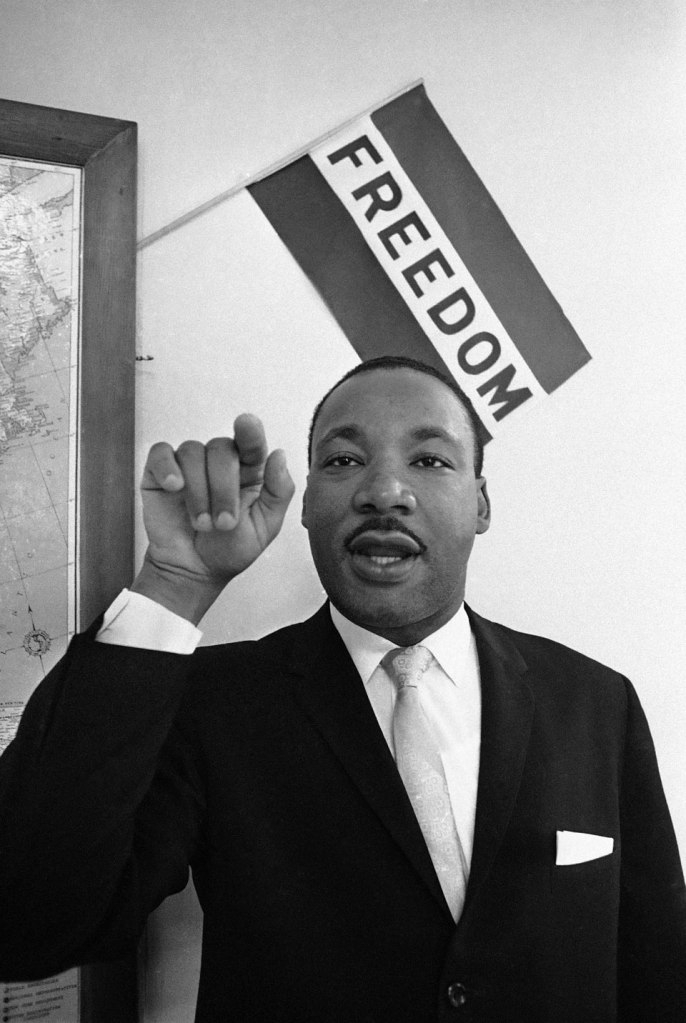
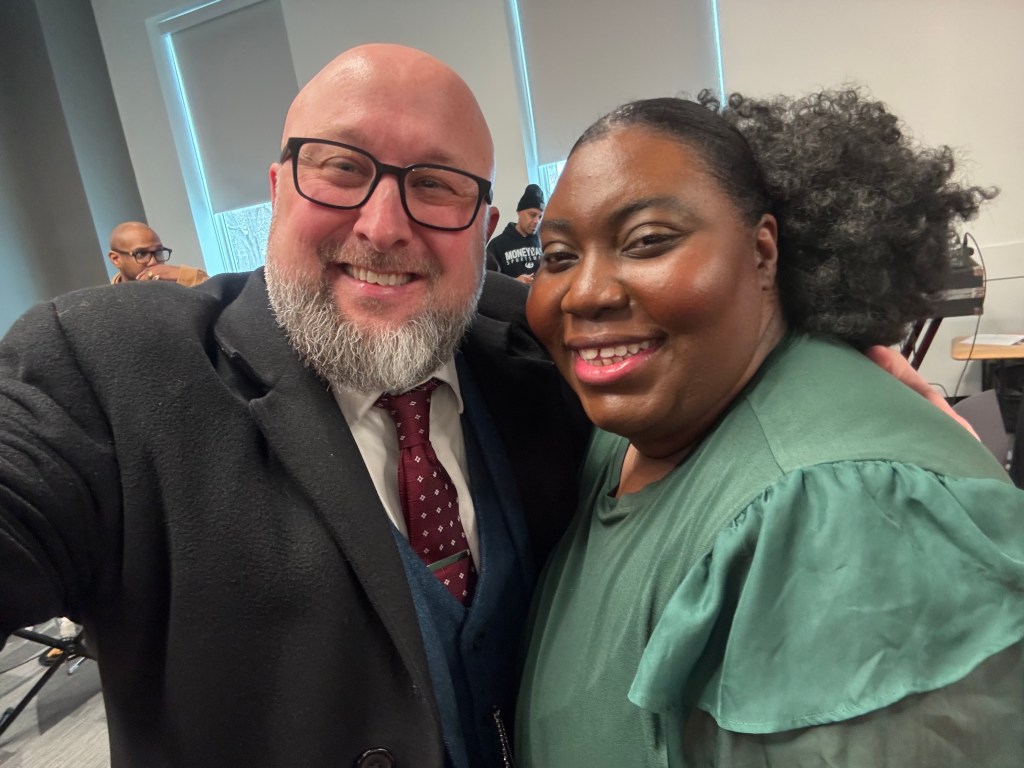
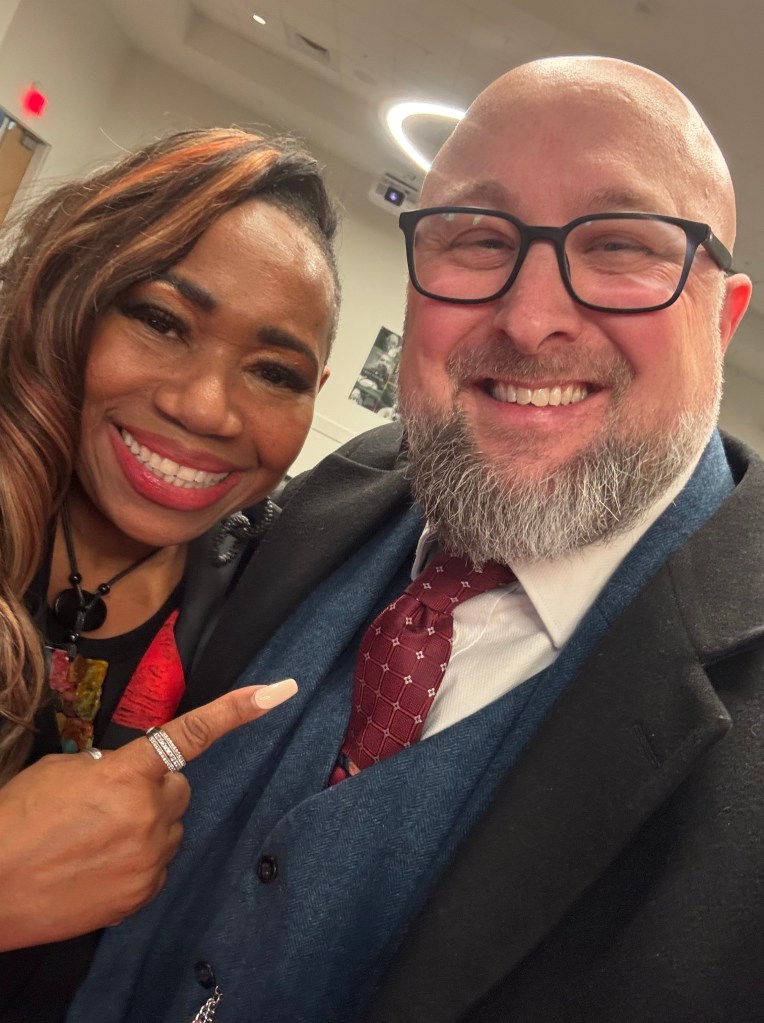
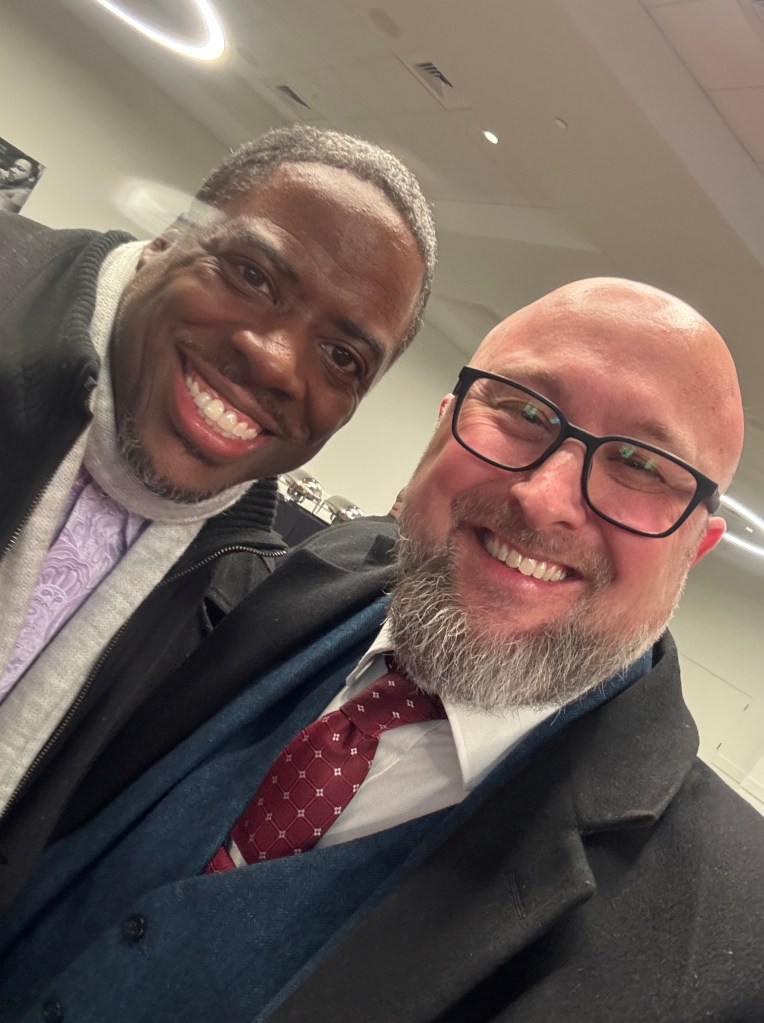
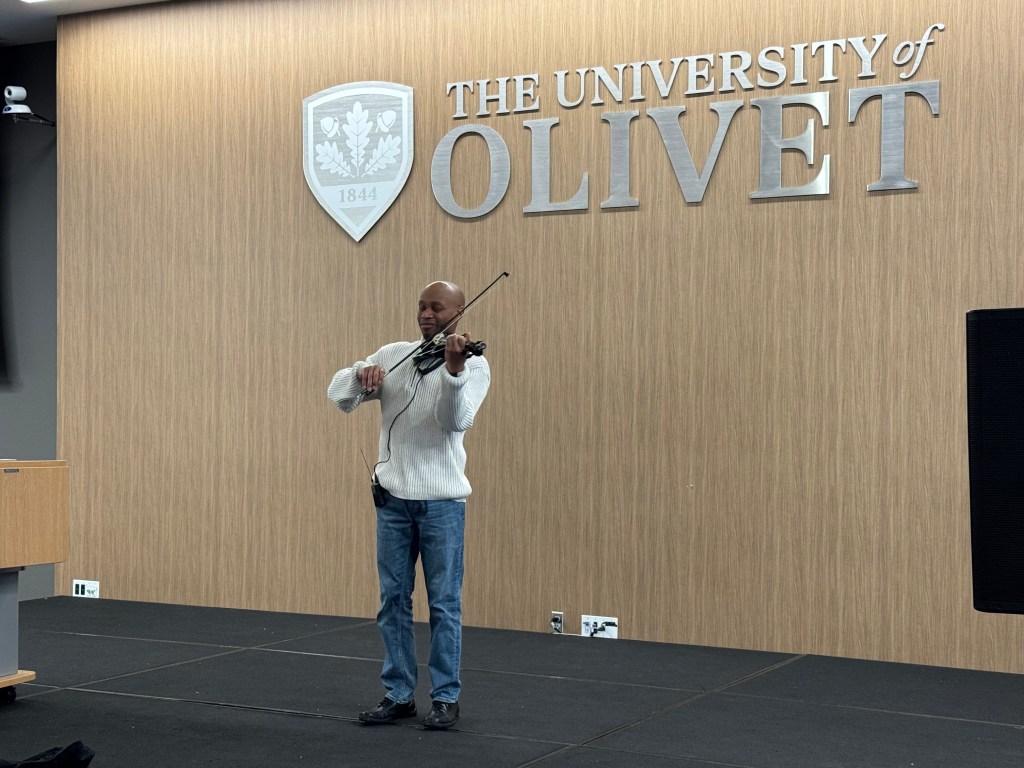
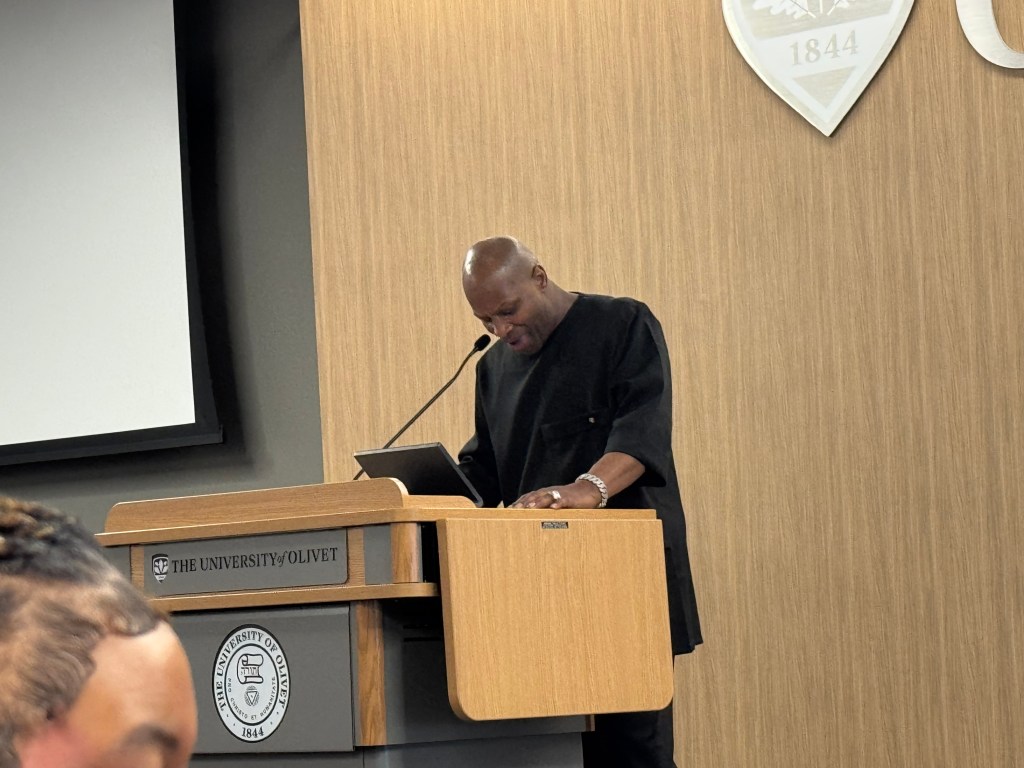
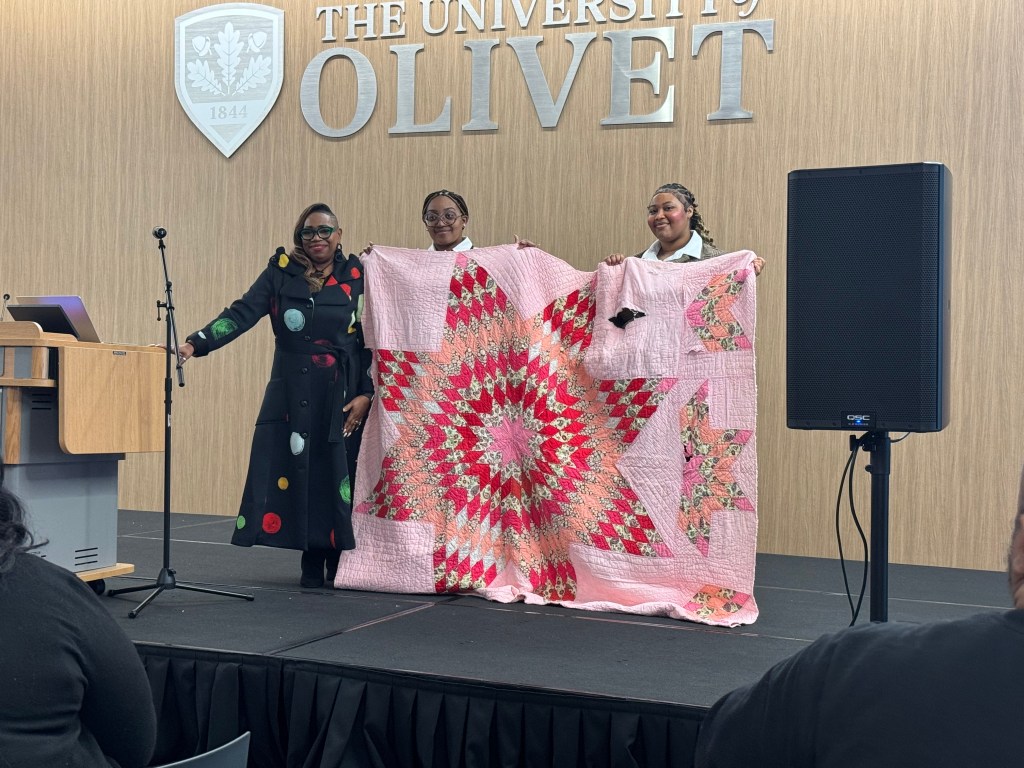
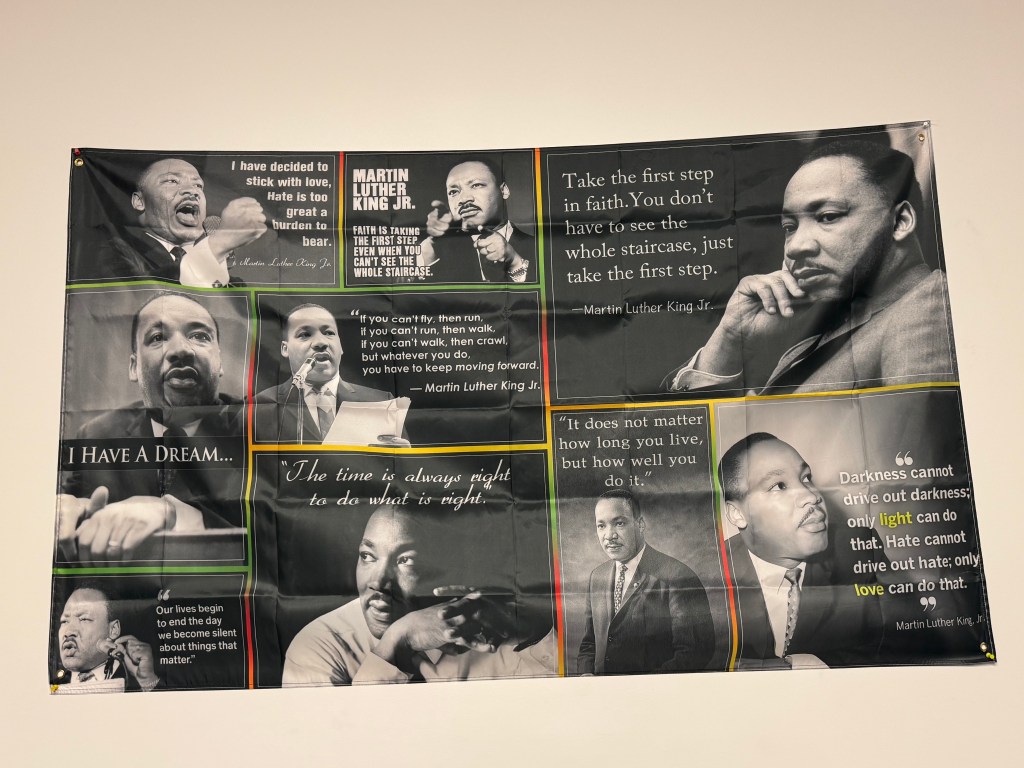
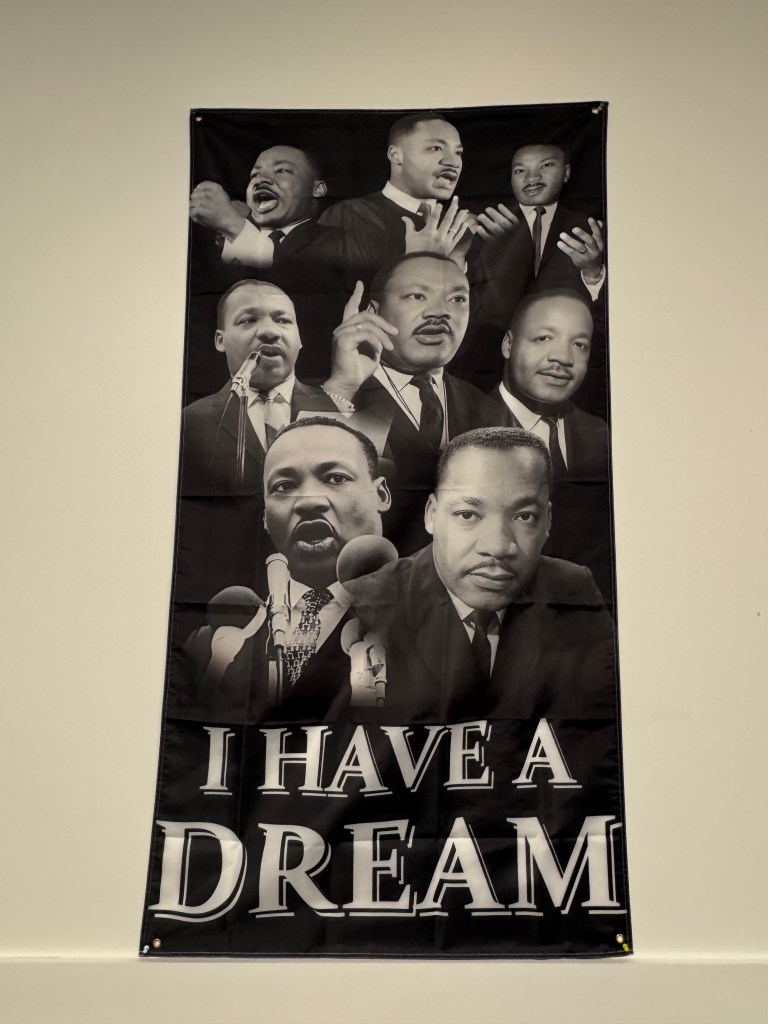
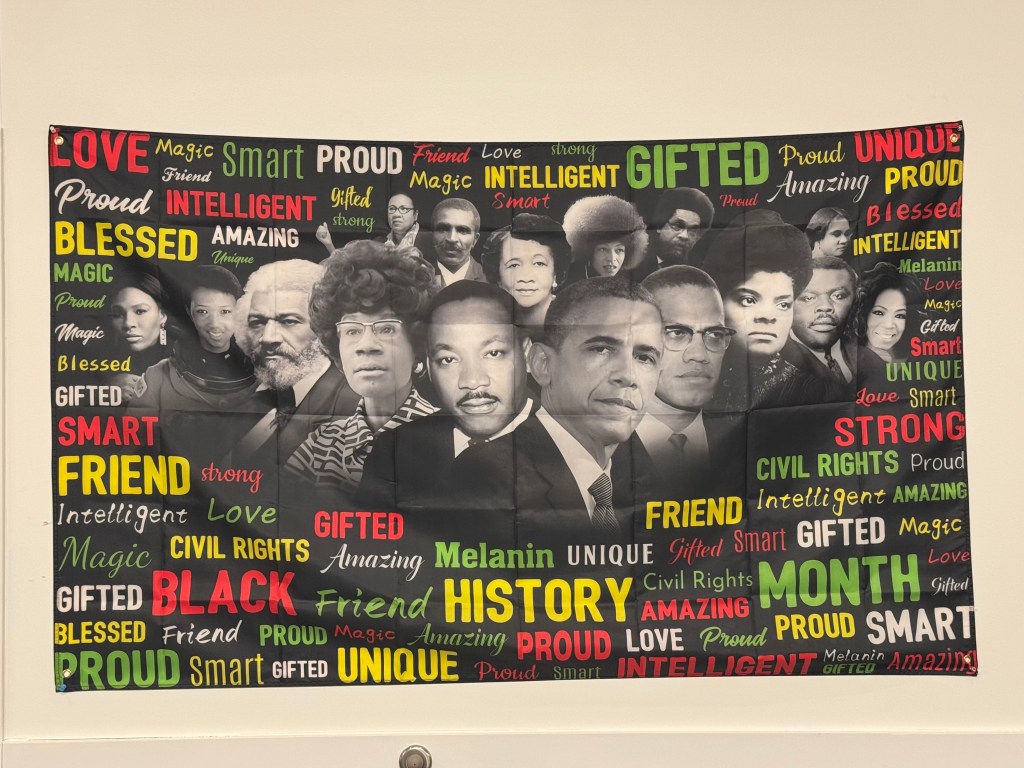
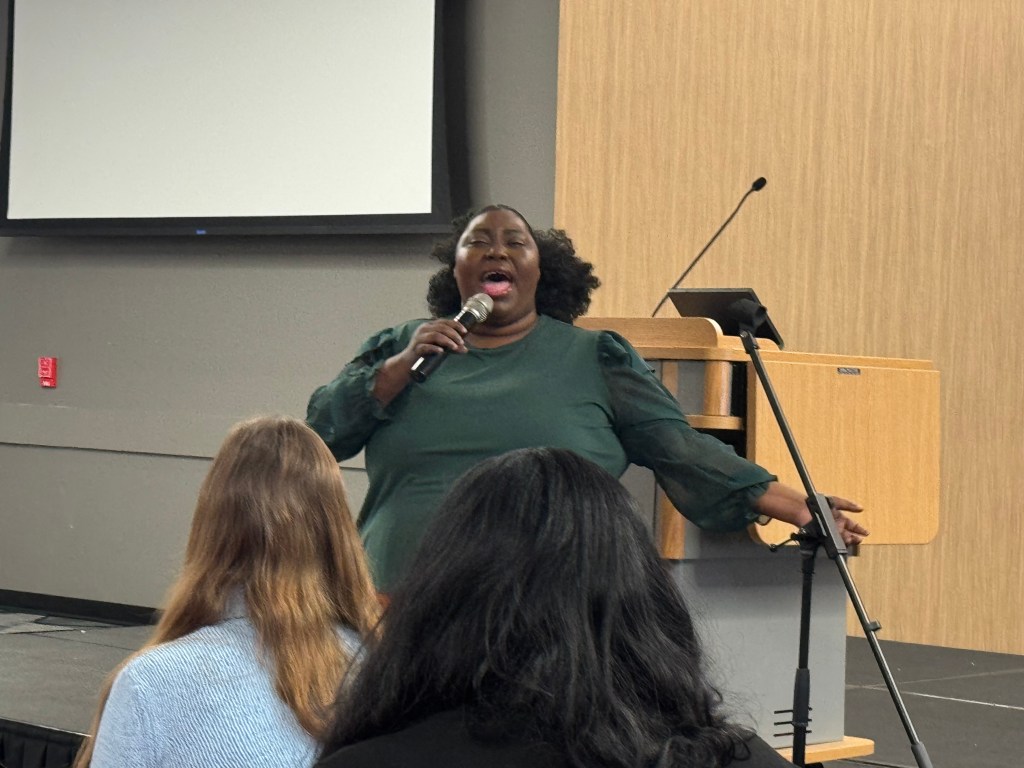
On Wednesday, January 21st, I had the distinct pleasure to be a speaker at the 2nd annual Symposium of the Hiram Archer Student Success Academy (HASSA) at The University of Olivet. I spoke on Dr. Martin Luther King Jr.’s conception of Justice, and why it is needed in the world today, as we, like Dr. King, live in a time of despair, a time of troubles, and a time wherein faith in our ability to govern ourselves with justice for all is disintegrating. I joined President Dr. Steven Corey, Author and Speaker DeAndre Carter, Oakland University’s Dr. Tonya Bailey and her amazing husband Lee Bailey, as well as the unconquerable recording artist, LaQuisha Burries-Finn. We also had the pleasure of listening to the UO Gospel Choir and the violinist, Rodney Page. This was a tremendous event, one wherein the spirit of Dr. King emanated through all the speakers and performers.
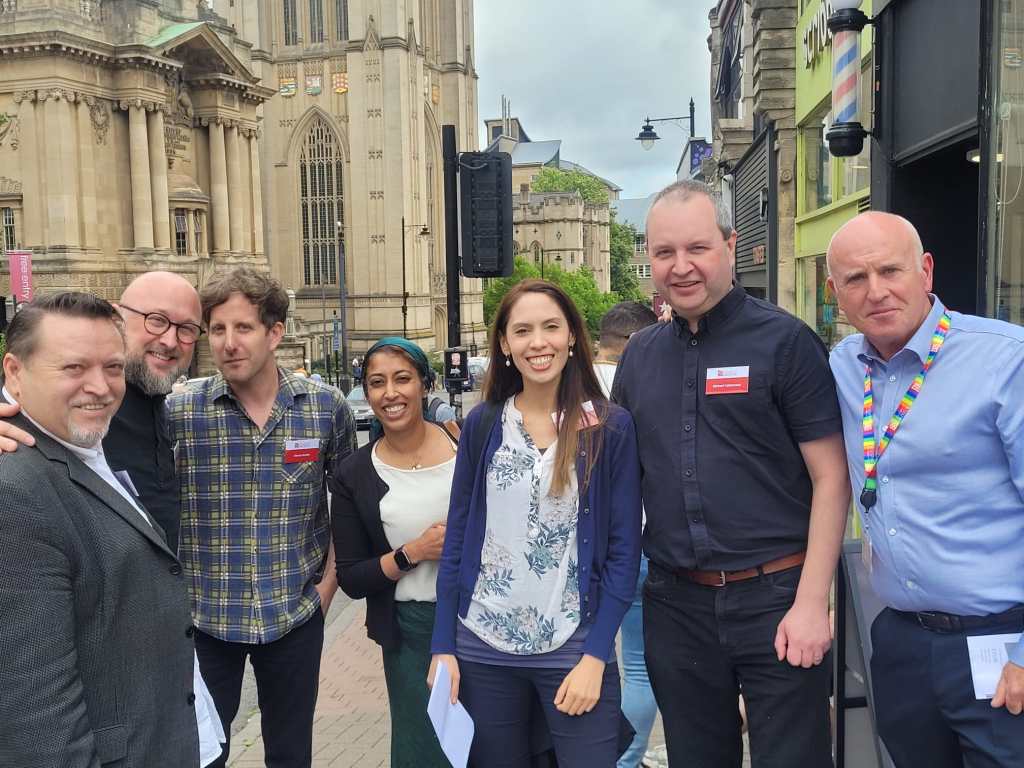
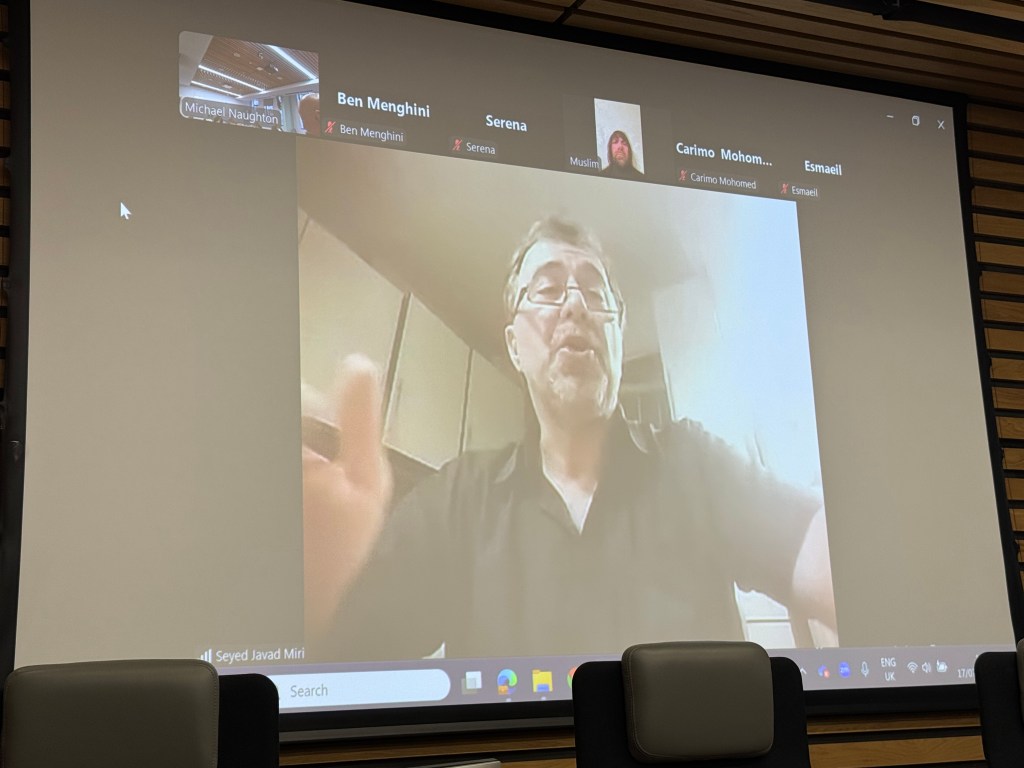
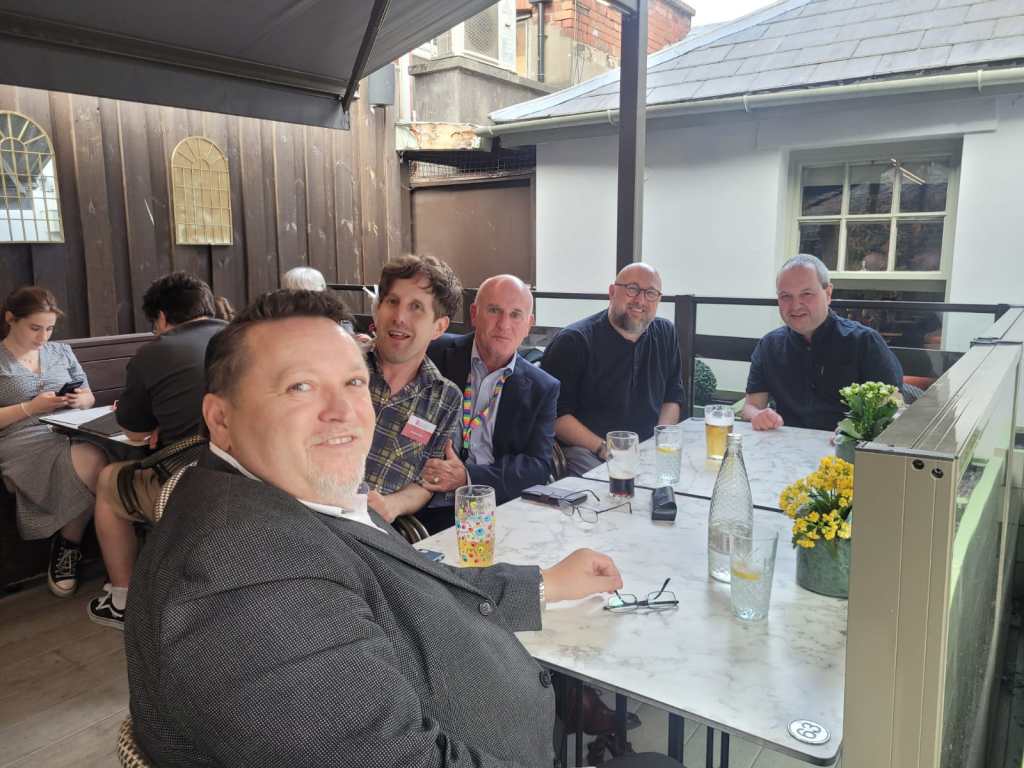
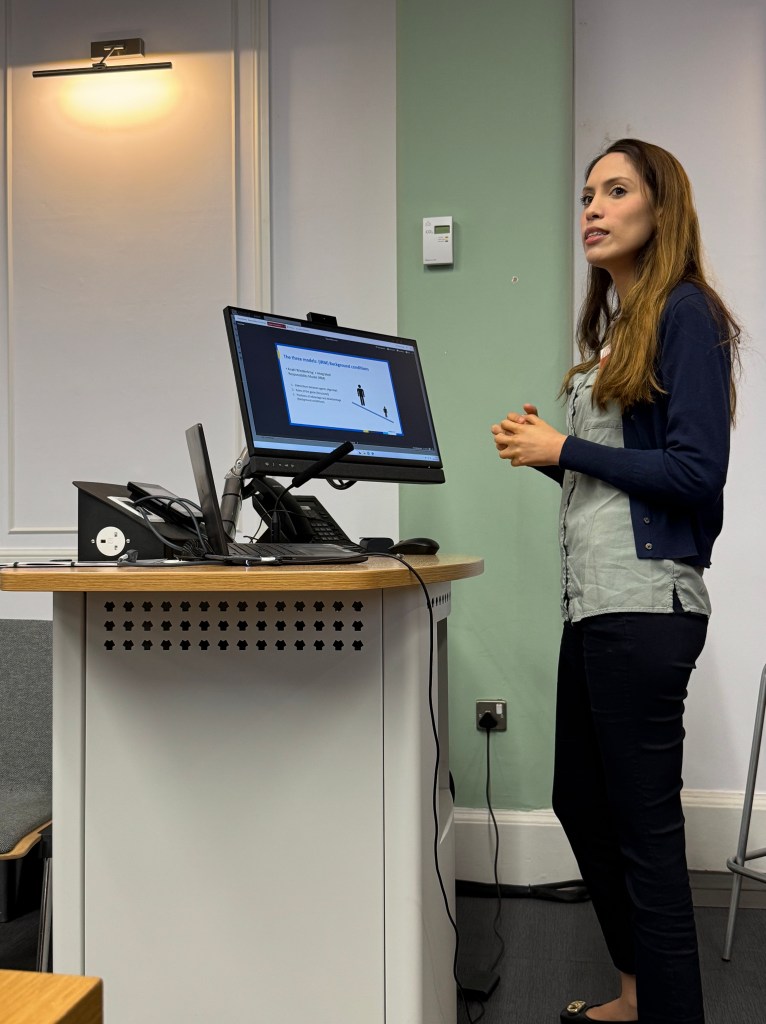
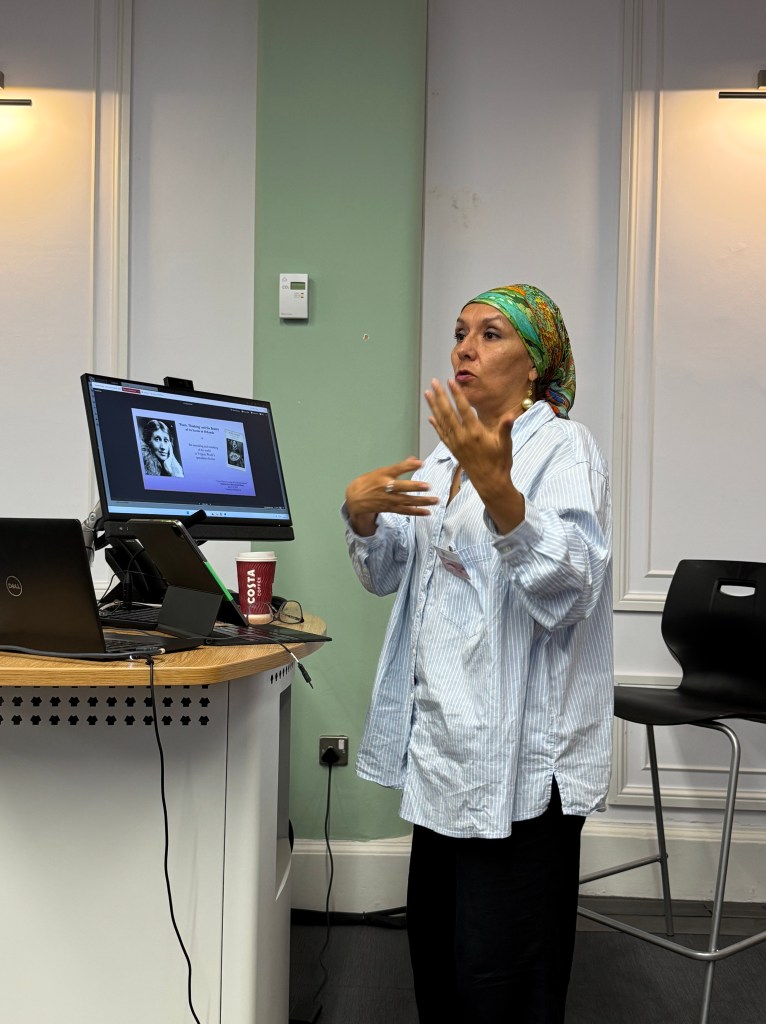
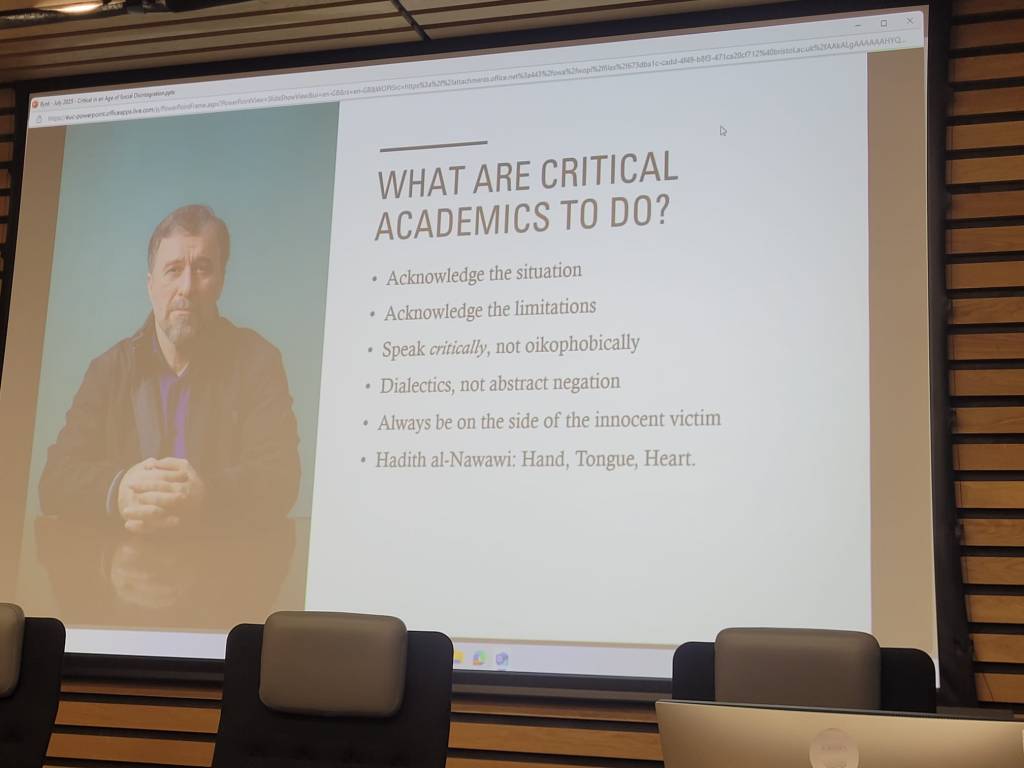
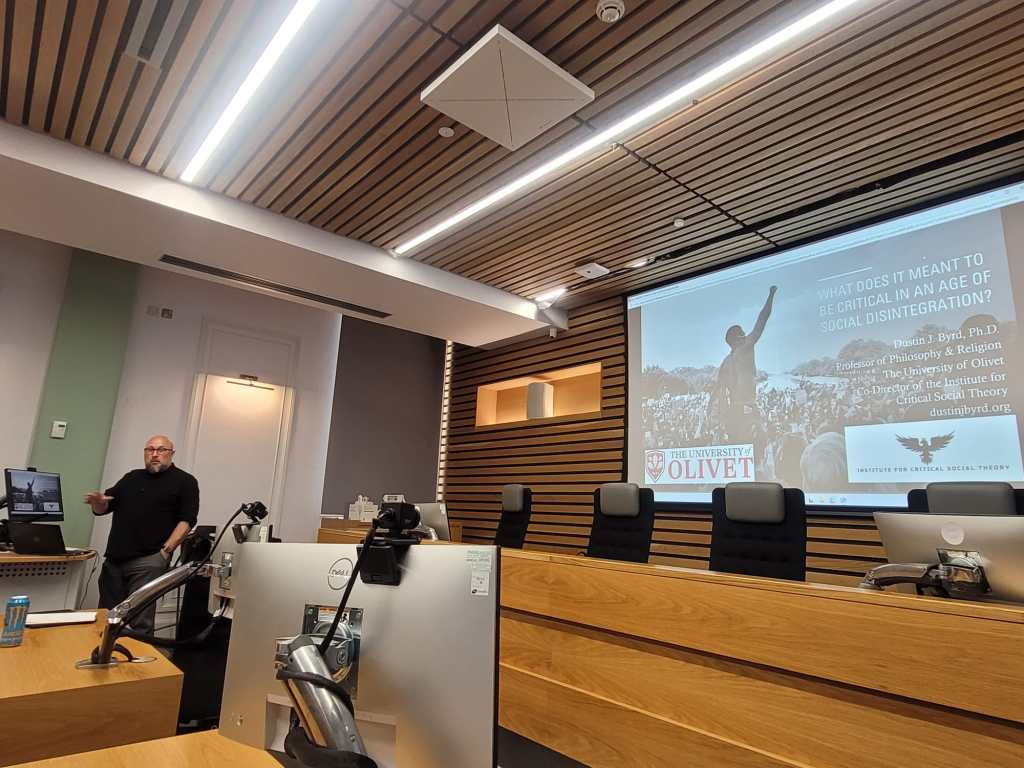
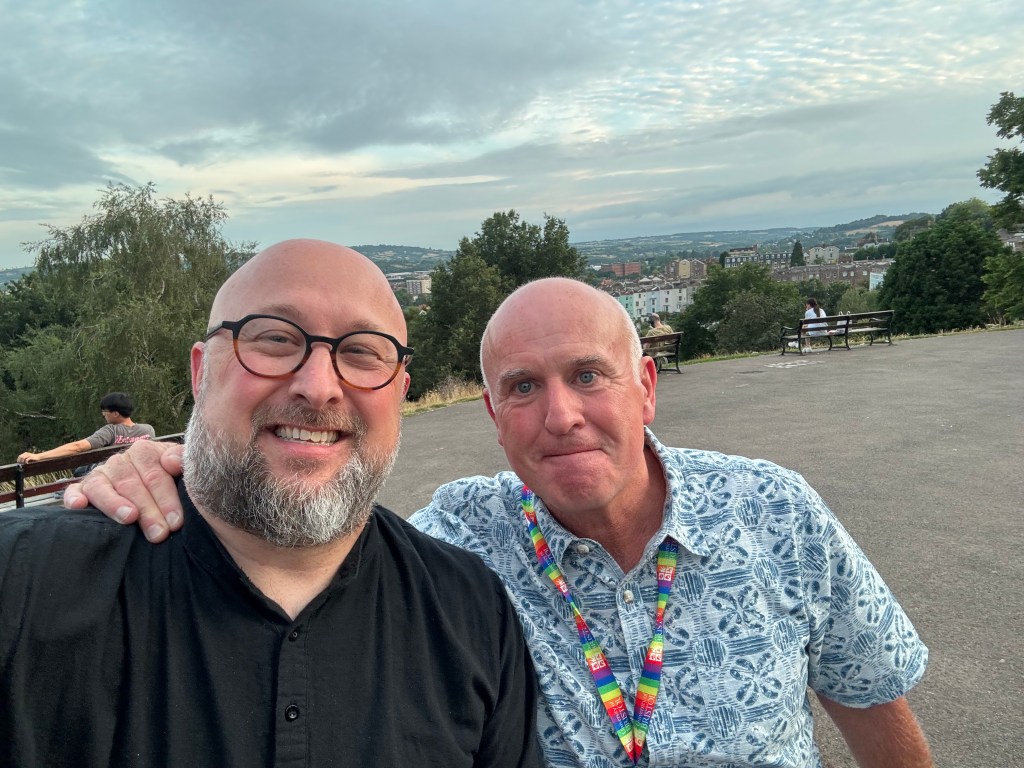
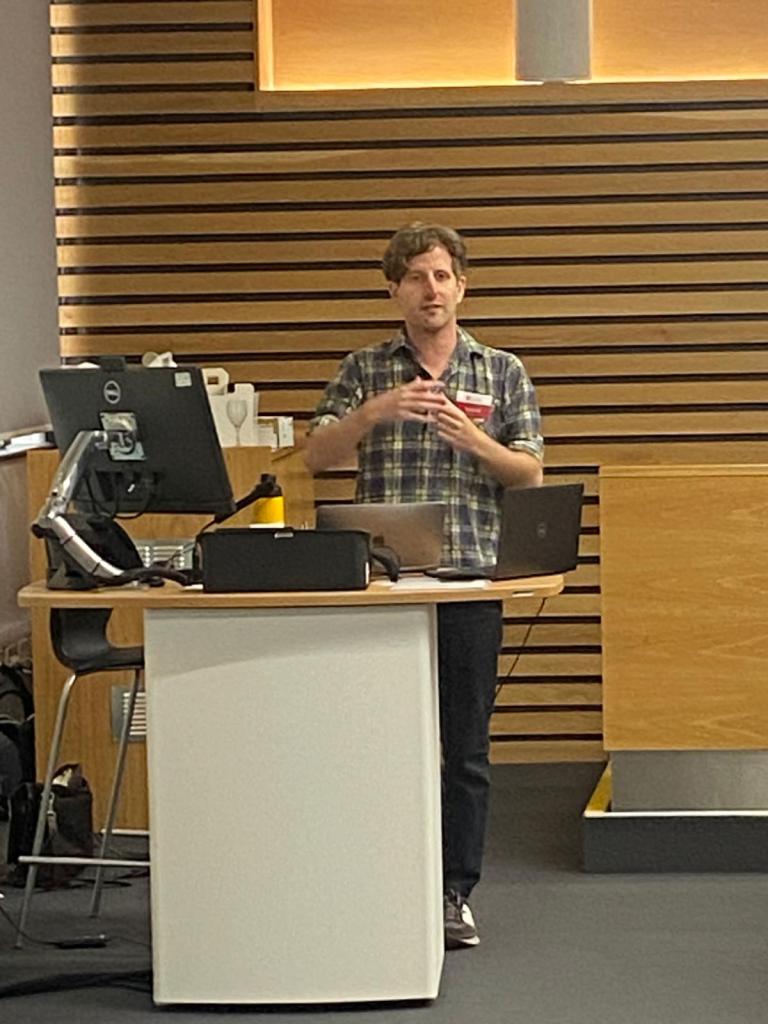
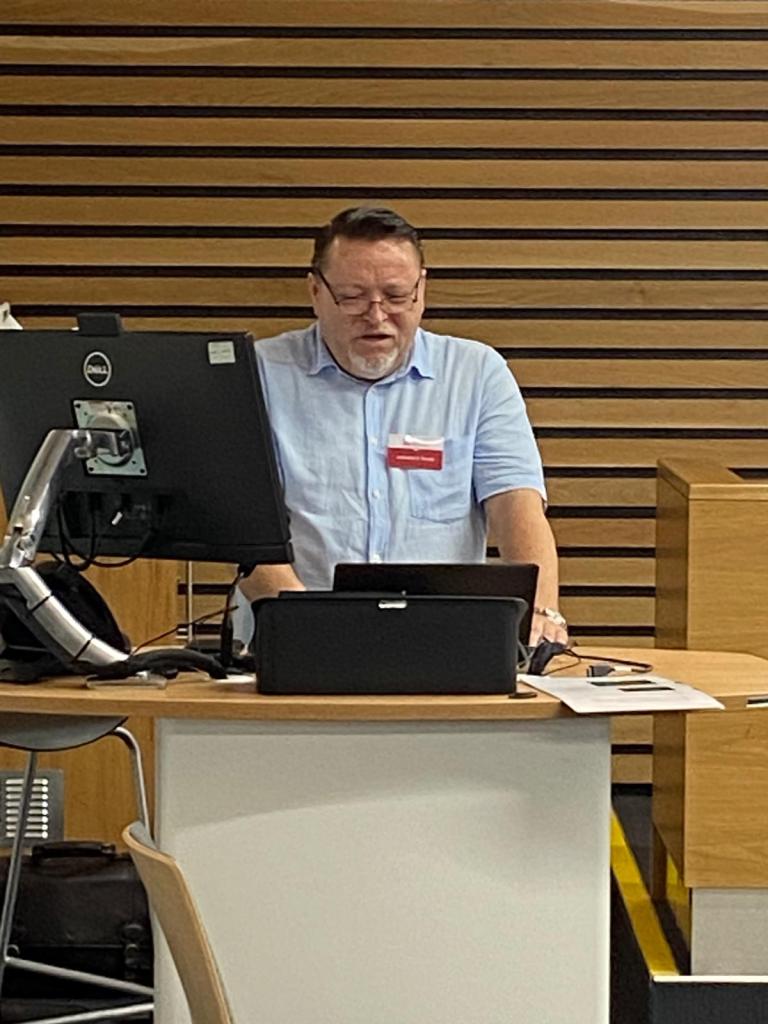
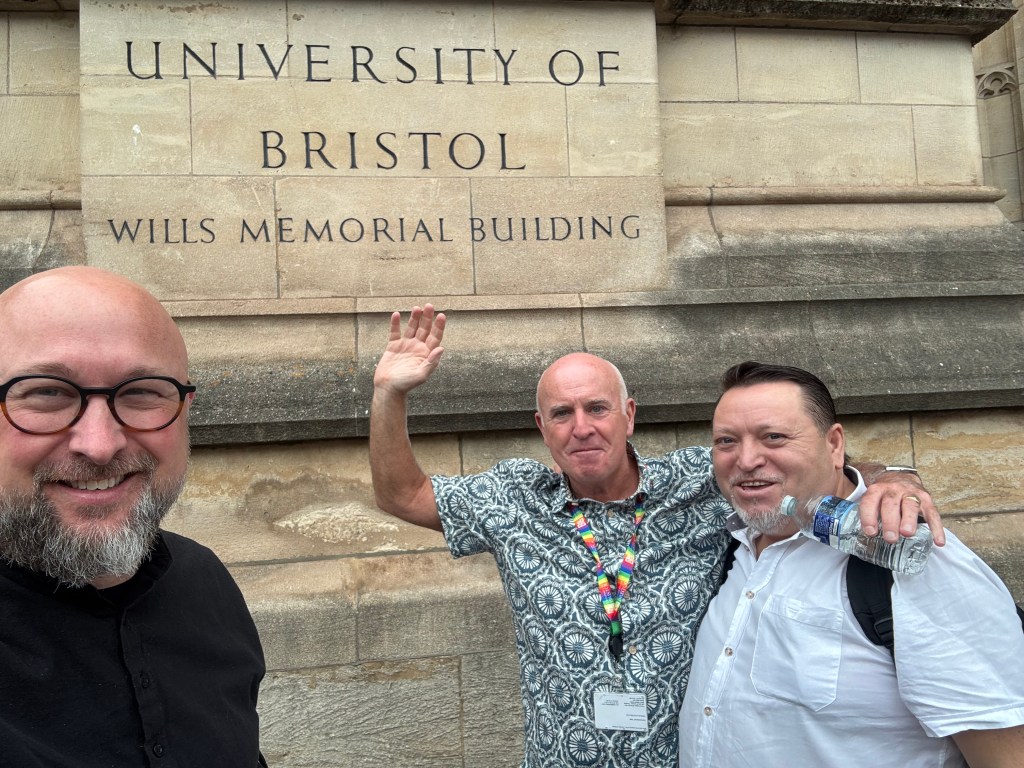
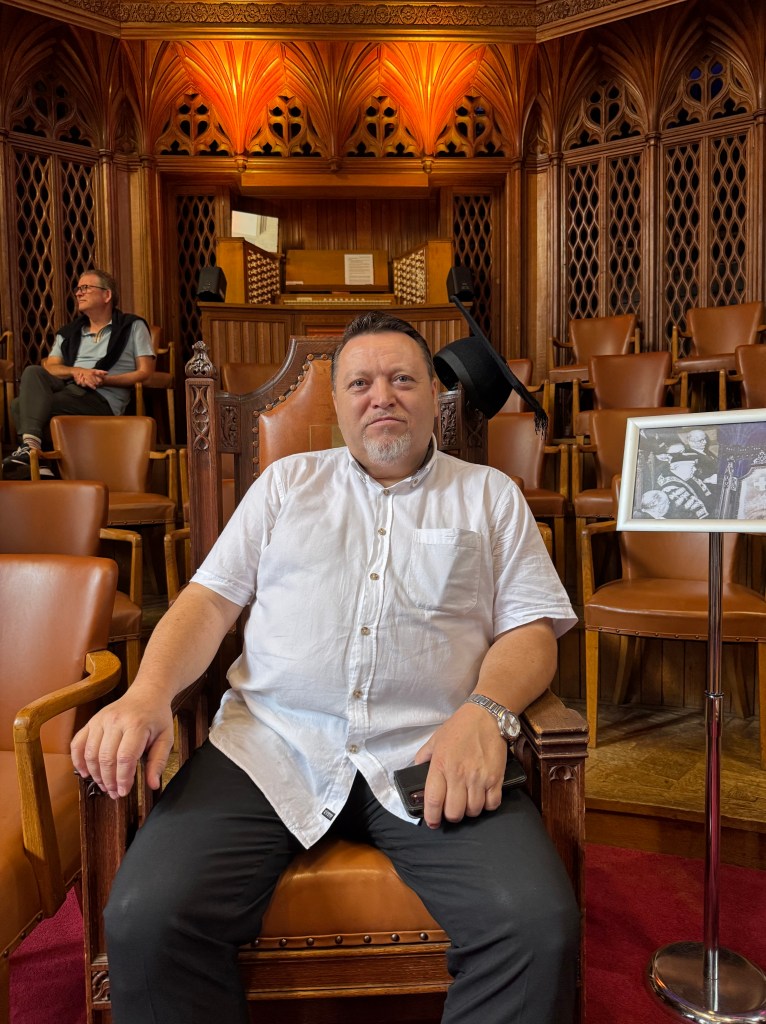
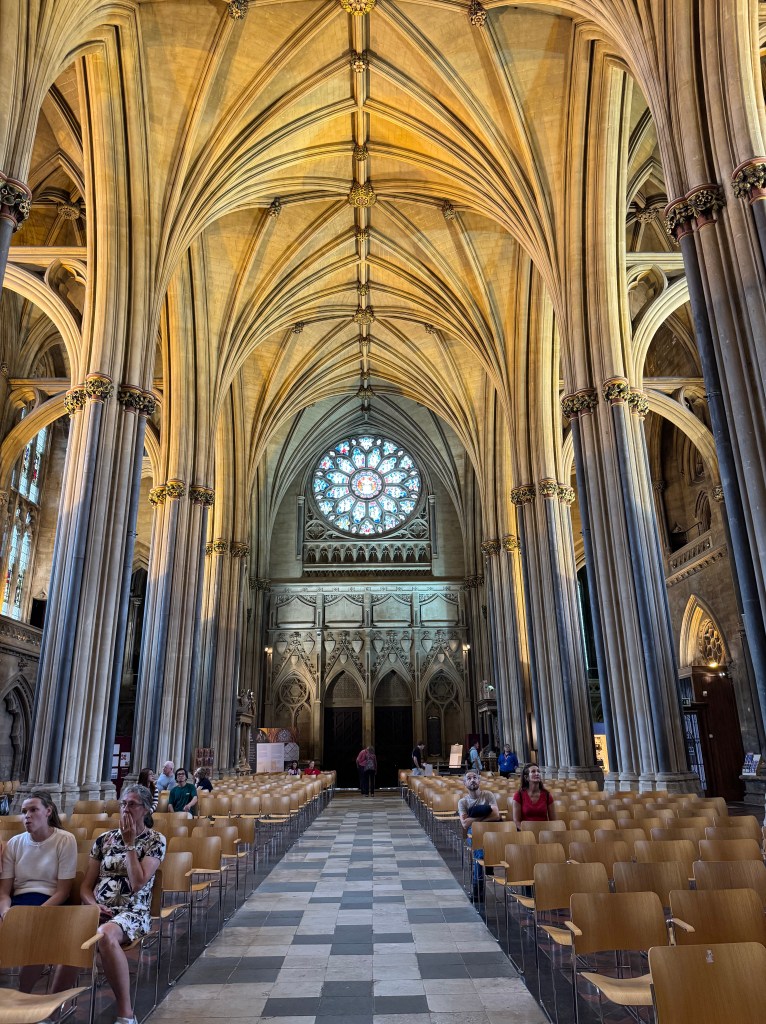
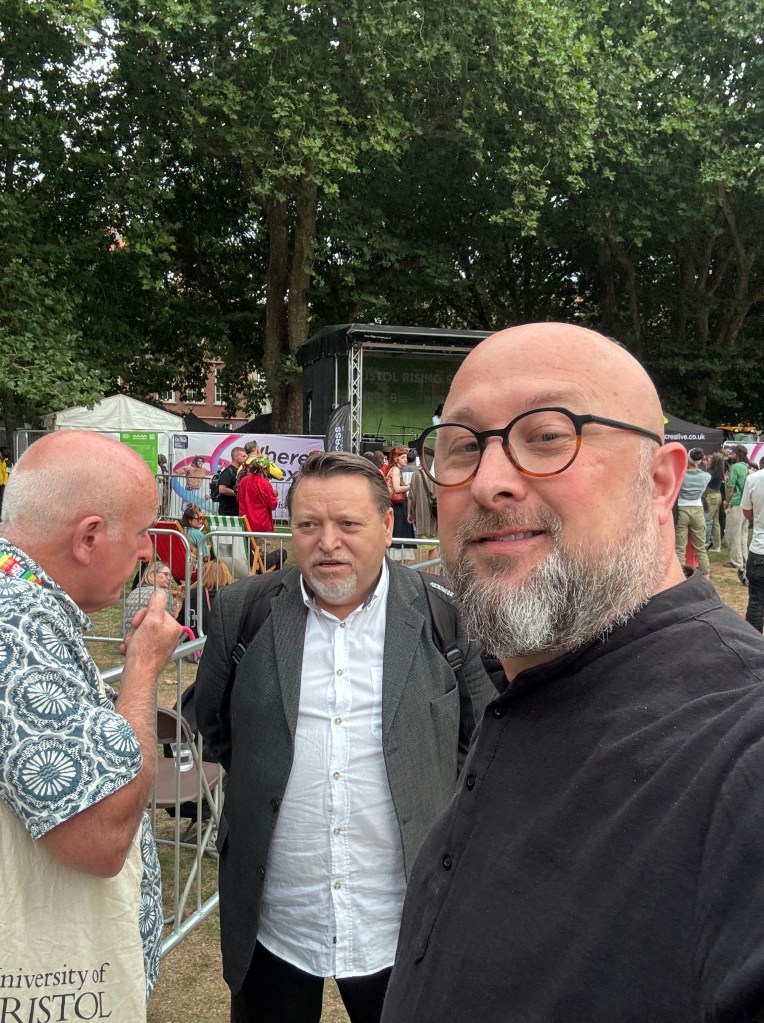
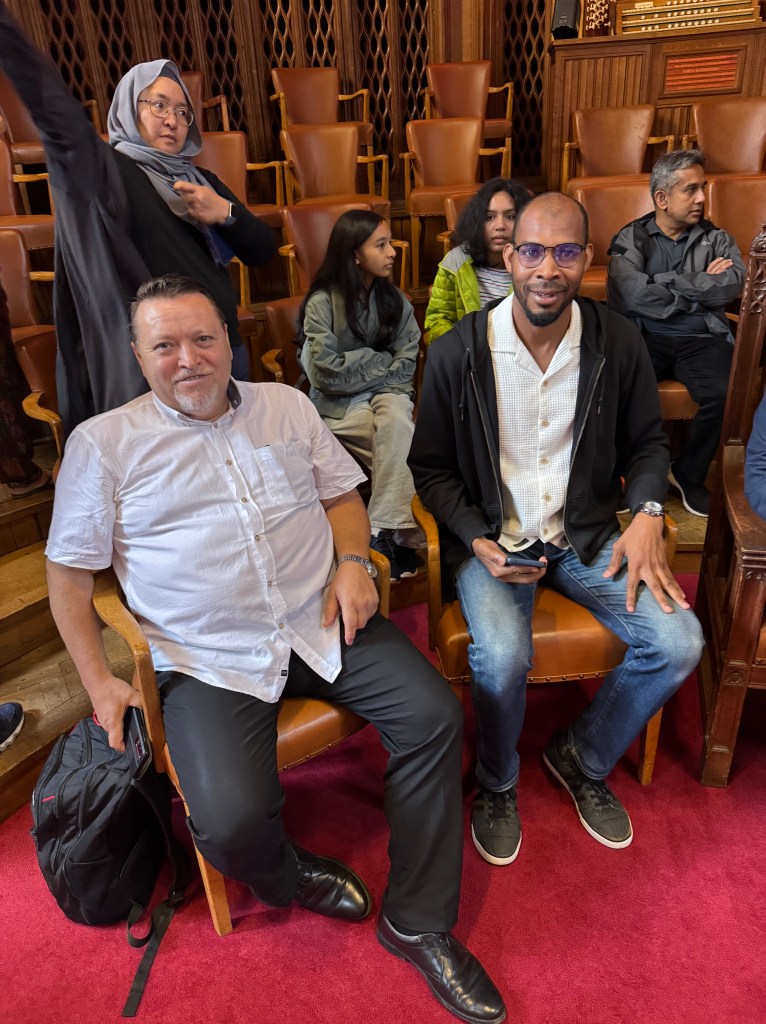
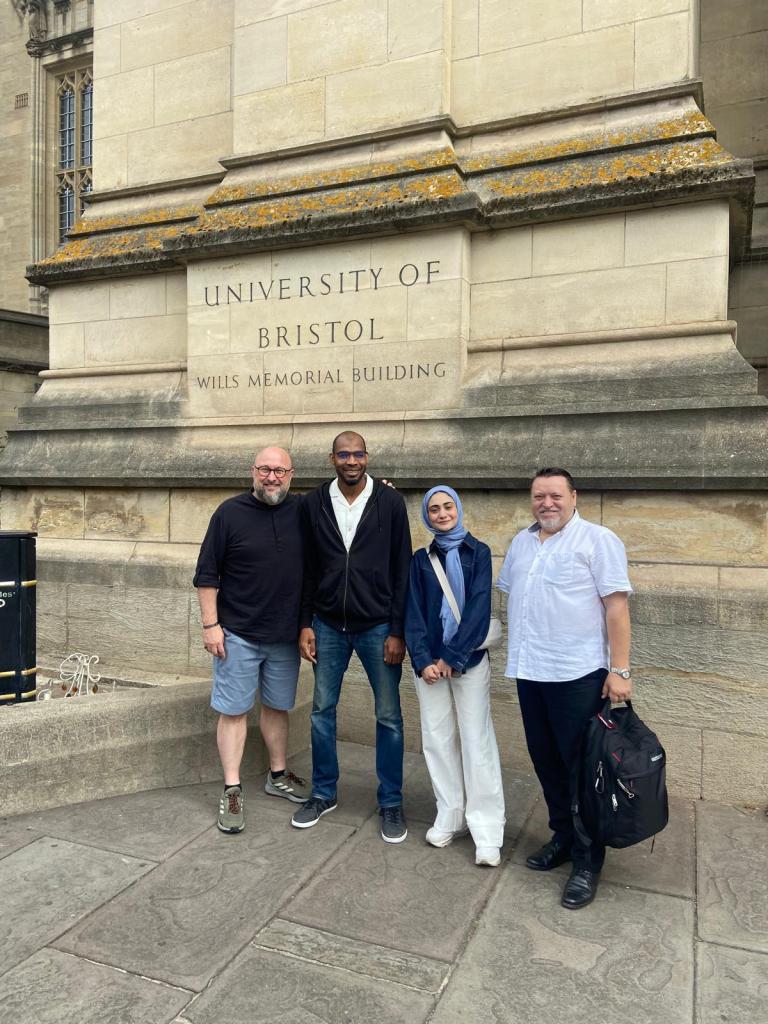
On July 17-19, the Institute for Critical Social Theory hosted their inaugural conference at the University of Bristol, UK. I was a great honor to welcome so many scholars to the ICST event. We had thirteen presentations, two plenary addresses, and a round table discussion about critical theory during times of war (See the schedule below). We are looking forward to our next conference in 2026, with Istanbul being the agreed upon destination. Keep an eye out for that Call for Papers.
If you’d like to listen to my plenary address, wherein I discuss what it means to be critical in an age of social disintegration, you can find it on YouTube:
For more information on the Institute for Critical Social Theory, please visit our website: ICST
On May 31st, 2025, I sat down with the critical theorist and Catholic theologian, Dr. Rudolf J. Siebert, to discuss the life, work, and legacy of Pope Francis. We discussed the Pope’s life before the papacy, the twelve years of his papacy, and the numerous ways in which he “changed the tone” of the Catholic Church, making it more inclusive and open to the world. Elected in 2013, Pope Francis died on Easter Monday, 2025. To the end, he maintained his positions against Russia’s war on Ukraine, Israel’s genocide of Palestinians, and the need to address Global Climate Change before it is too late. In many ways, Pope Francis was a force unto himself, as he, as Dr. Siebert says, put the poor at the forefront of faith, as the church should be a “field hospital” as opposed to a bunker. Our discourse was sponsored by Ekpyrosis Press and the Institute for Critical Social Theory.
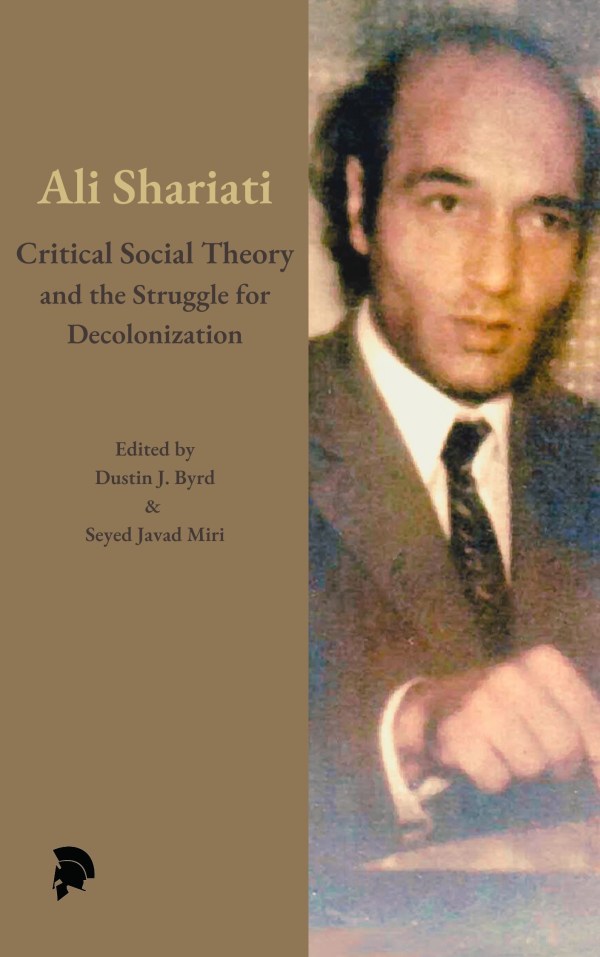
Ali Shariati: Critical Social Theory and the Struggle for Decolonization, edited by Dustin J. Byrd and Seyed Javad Miri
Ali Shariati (1933-1977) is best known as a “revolutionary theorist,” closely connected to Iran’s Islamic Revolution of 1979. While his social, political, and religious thought was deeply influential in those turbulent times, Shariati was much more than a political ideologue. A scholar of religion, philosophy, and sociology, Shariati was fluent both in Western and Islamic thought, which allowed him to create some of the most penetrating “critical” thought in the 20th century, applicable to both the West and the dār al-Islām. While he remains controversial inside his home country, his influence has grown beyond its borders. Today, contemporary theorists are returning to Shariati’s written works, seeing his voluminous writing as a precursor to the decolonization movement, which seeks to emancipate the non-Western world from the vestiges of Western colonial domination. In many ways, Shariati laid the foundation for such emancipatory work through his own struggle against the Shah of Iran and the clerical establishment that supported the status quo. This collection of essays returns to a variety of the Shariati’s core concepts, as it seeks to interrogate them, revitalize them, and engage our own age of strife through these Shariatian perspectives.
Contributors: Dustin J. Byrd, Seyed Javad Miri, Joseph Alagha, Esmaeil Zeiny, Vahideh Sadeghi, Bijan Abdolkarimi, Raewyn Connell, Carimo Mohomed, Tanveer Azamat, Teo Lee Ken, Milad Dokhanchi, Fatemeh Shayan, Ali S. Harfouch, M.S. Kolbadi, and Mohammad Masud Noruzi.
Available on the Ekpyrosis Press website: Ali Shariati
My dear brother and colleague, Seyed Javad Miri, and I had a wonderful opportunity to discuss Ali Shariati with Jacek Drozda, the host of the “Emancypacje” (Emancipation) podcast out of Warsaw, Poland. We discussed Shariati’s life, work, influence on the 1979 revolution in Iran, and most importantly, Ali Shariati’s Liberation Theology.
Here’s the introduction to the podcast: We begin our new mini-series “Liberation Theologies” where we look at the intersection of emancipatory politics and religion with an exciting conversation about Ali Shariati, a renowned Iranian revolutionary, sociologist, political theologian and theoretician. Our guests are two major specialists in this field: prof. Dustin J. Byrd (The University of Olivet) and prof. Seyedjavad Miri (Institute for Humanities and Cultural Studies in Tehran). As regular collaborators they authored and edited several important books together, including “Ali Shariati and the Future of Social Theory: Religion, Revolution, and the Role of the Intellectual” (Brill, 2017). Take a deep dive into Shariati’s contribution to political philosophy and the Iranian Revolution the victory of which he did not live to see.
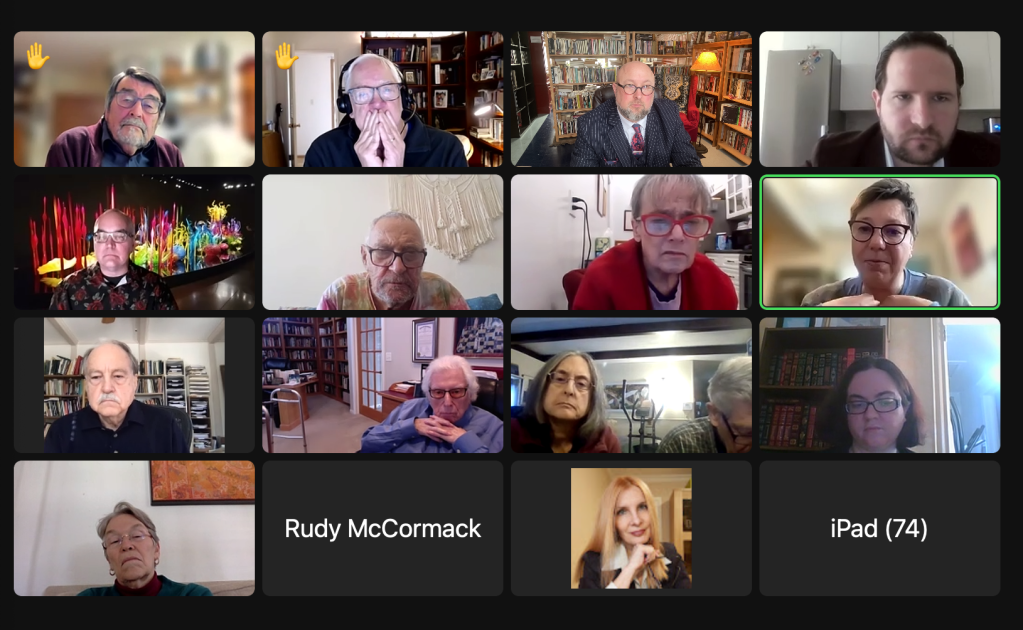
On January 21st, 2024, I had a wonderful opportunity to discuss the topic of Erich Fromm and religion with numerous great scholars, including Rudolf J. Siebert, Hille Haker, Reiner Funk, Joan Braune and numerous others. The event was organized by Maor Levitin on behalf of the Erich Fromm Society of North America. My presentation discussed the need for the political Left to reengage with religion, to develop an humanistic/religious ecumenicism along the lines of Erich Fromm’s psychoanalytic philosophy, lest the “catalogue” of religion become the sole possession of the far-right, who would use it as a weapon against the unwanted “others.” A video of the discourse will be made available at a later time.
“Can Religion be Rescued in the 21st Century? Erich Fromm’s Religious Humanism and Authoritarian Populism”
On September 9th, 2023, I had a wonderful opportunity to discuss the life, work, and long friendship between the Catholic theologian, Gregory Baum, and the critical theorist, Rudolf J. Siebert. Gregory was born in Berlin but emigrated to Canada during World War II. While coming from a Jewish family, he eventually converted to Catholicism and became a Catholic priest, after reading St. Augustine’s Confessions. Along with Johannes Baptist Metz and Hans Küng, Baum was a a “peritus,” or theological advisor during the Second Vatican Council, where he was instrumental in rewriting the church’s relationship with the Jews – no longer calling for their conversions. He was also very interested in the Critical Theory of Religion, as developed by the Frankfurt School.
Baum passed away in October of 2017 in Canada. He was a prolific writer, scholar, and speaker, and a long-time friend of my doktorvater, Rudolf J. Siebert. I hope you all enjoy the discussion.


















 dustinjbyrd
 Dustin J. Byrd, Ph.D.