Professor of Philosophy and Religious Studies at The University of Olivet
Author: dustinjbyrd
Associate Professor of Philosophy and Religion at Olivet College;
Critical Theorist;
Founder and Editor-and-Chief of Ekpyrosis Press;
Editor-and-Chief of Islamic Perspective Journal
I recently had the opportunity to discuss “The Fascist Temptation” with Dr. Rudolf J. Siebert, critical theorist, sociologist, and theologian. In the video we discuss the issue of fascism from Siebert’s youth in the Third Reich to the present moment. As a life-long anti-fascist, Dr. Siebert understands fascism not only as an ideology, but also a seductive experience, one that remains a danger especially within democratic societies and must be rejected and continuously fought against. This discourse was sponsored by Ekpyrosis Press and the Institute for Critical Social Theory.
For more information on Dr. Siebert and his work, check out his website: dialectical-religion.org
On September 9th, 2023, I had a wonderful opportunity to discuss the life, work, and long friendship between the Catholic theologian, Gregory Baum, and the critical theorist, Rudolf J. Siebert. Gregory was born in Berlin but emigrated to Canada during World War II. While coming from a Jewish family, he eventually converted to Catholicism and became a Catholic priest, after reading St. Augustine’s Confessions. Along with Johannes Baptist Metz and Hans Küng, Baum was a a “peritus,” or theological advisor during the Second Vatican Council, where he was instrumental in rewriting the church’s relationship with the Jews – no longer calling for their conversions. He was also very interested in the Critical Theory of Religion, as developed by the Frankfurt School.
Baum passed away in October of 2017 in Canada. He was a prolific writer, scholar, and speaker, and a long-time friend of my doktorvater, Rudolf J. Siebert. I hope you all enjoy the discussion.
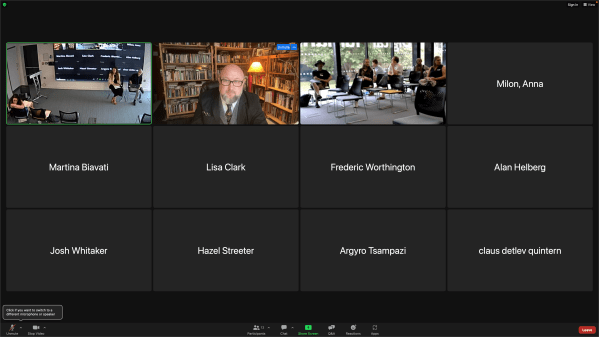
On September 7th, 2023, I have the wonderful opportunity to share my work on Russian apocalyptic political thought at the Apocalyptic Times: Spirituality in Global Revolt conference at the University of Exeter in the UK. Unfortunately, I couldn’t be physically at the conference, so I joined them through the magical world of Zoom! There were excellent questions and discussions on a range of issues regarding Russian thought, Alexander Dugin’s Neo-Eurasianist fascism, nuclear apocalyptic thought, and so on. I would especially like to thank Iona Ramsey for all the hard work she did organizing this conference. It was my honor to present at it. See the video below:
On June 28th, 2023, I had the opportunity to discuss the topic of Liberation Theology with the Critical Theorist and theologian, Dr. Rudolf J. Siebert. We covered many elements of Liberation Theology, including its history, the influence of Marxism and the Frankfurt School on it, as well as the opposition it withstood by the institutional Catholic Church. The discourse was sponsored by Ekpyrosis Press and the Institute for Critical Social Theory.
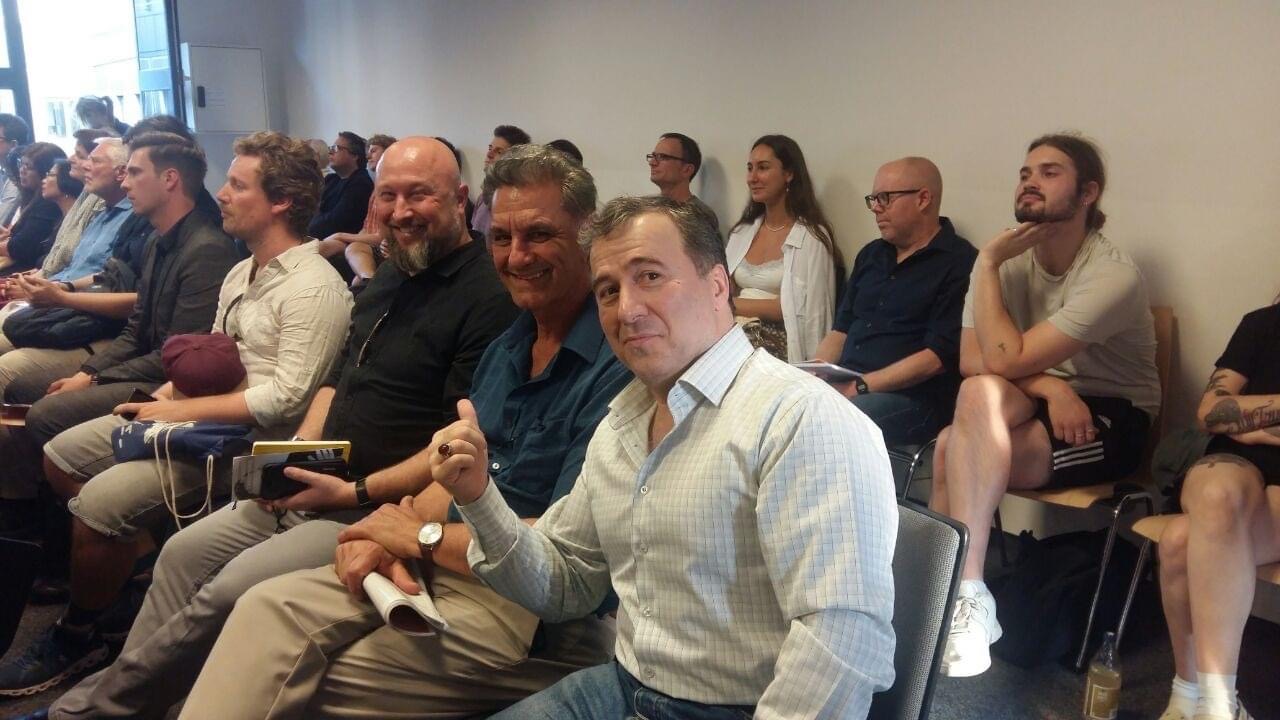
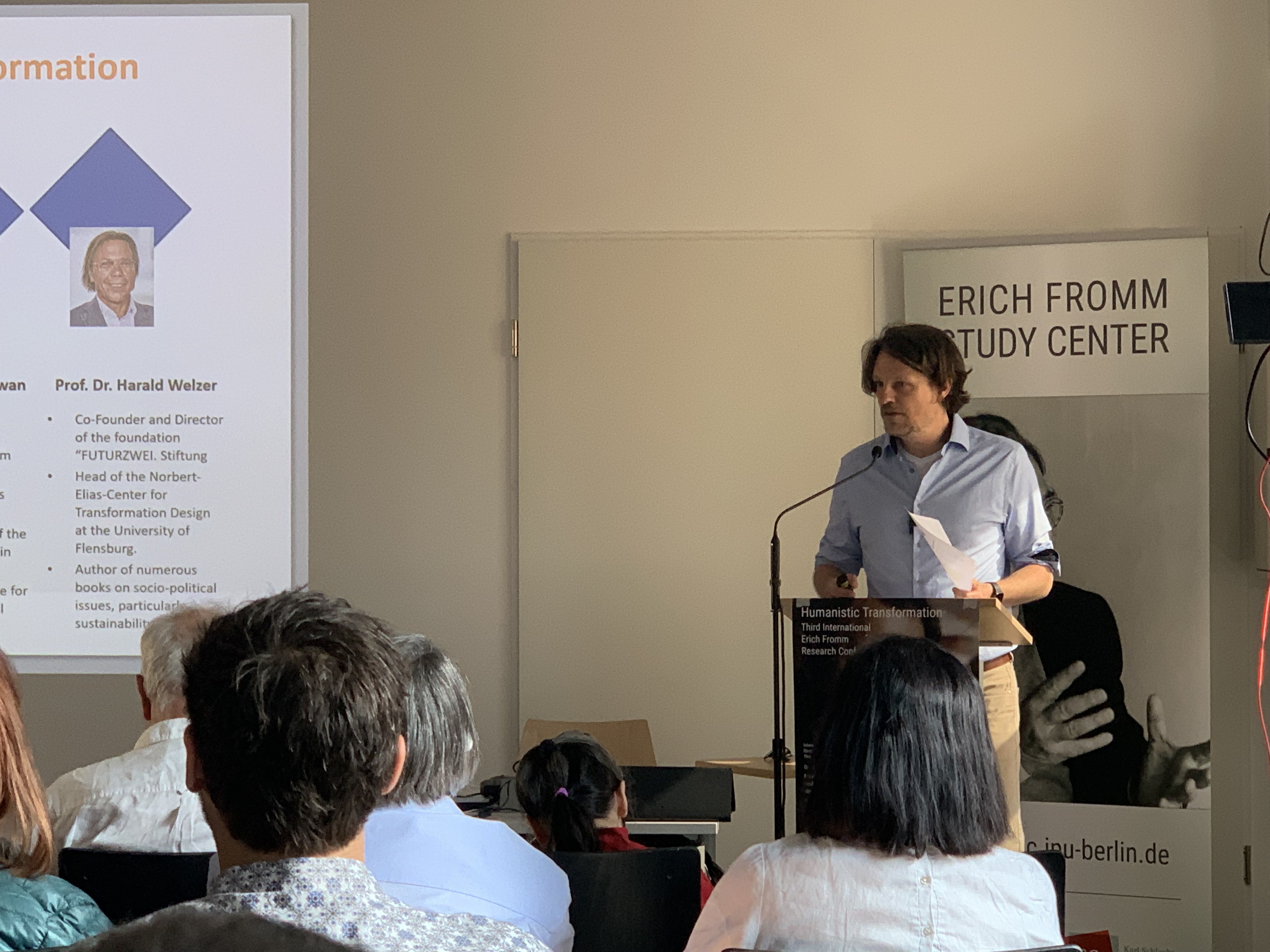
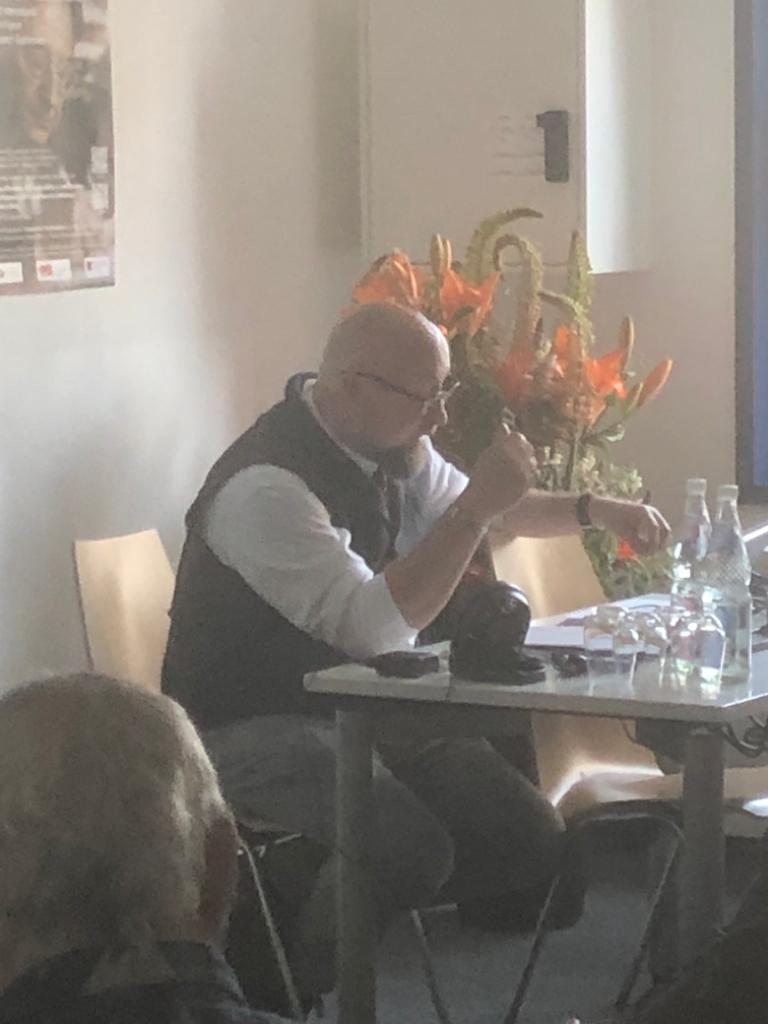
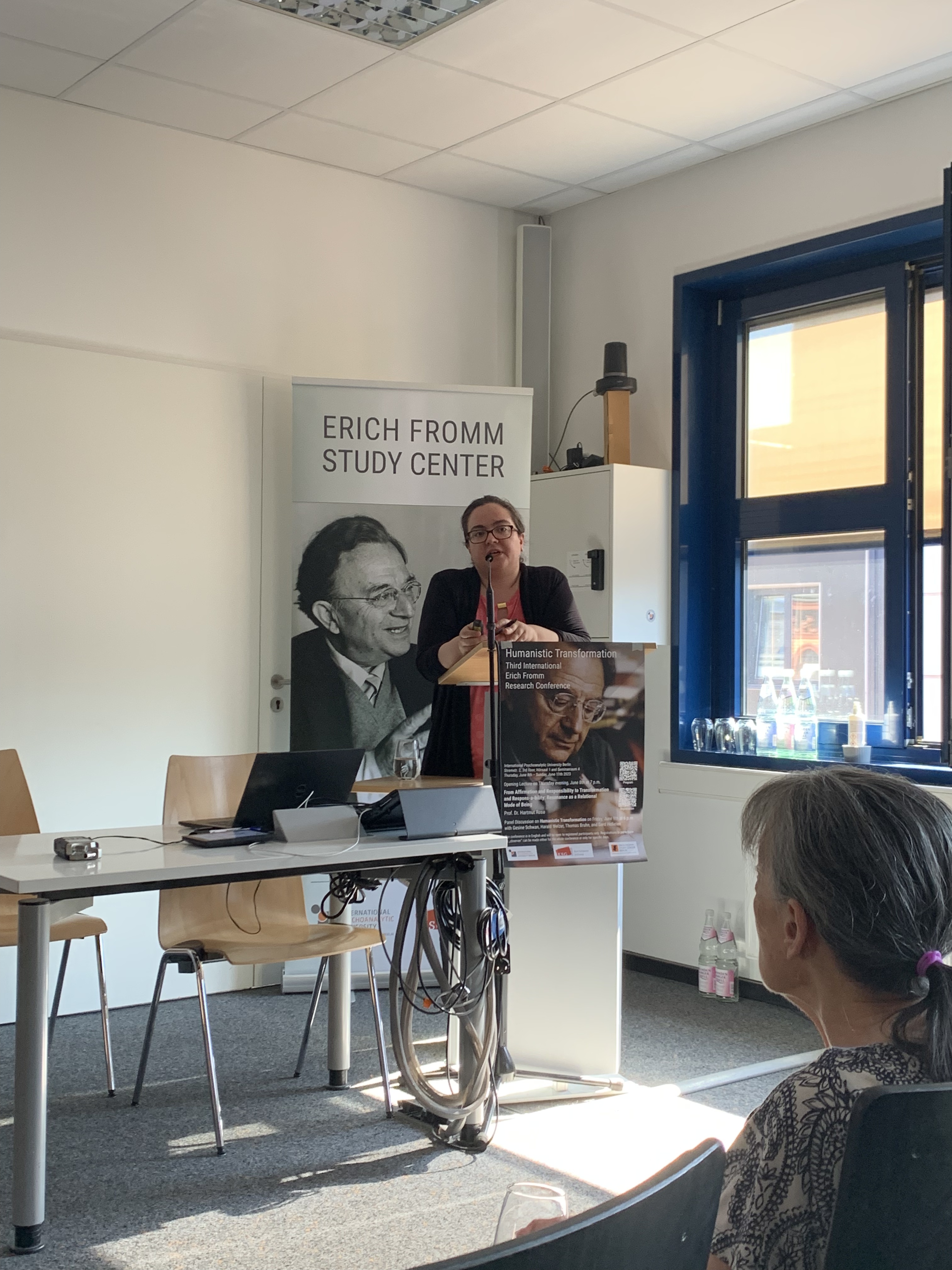
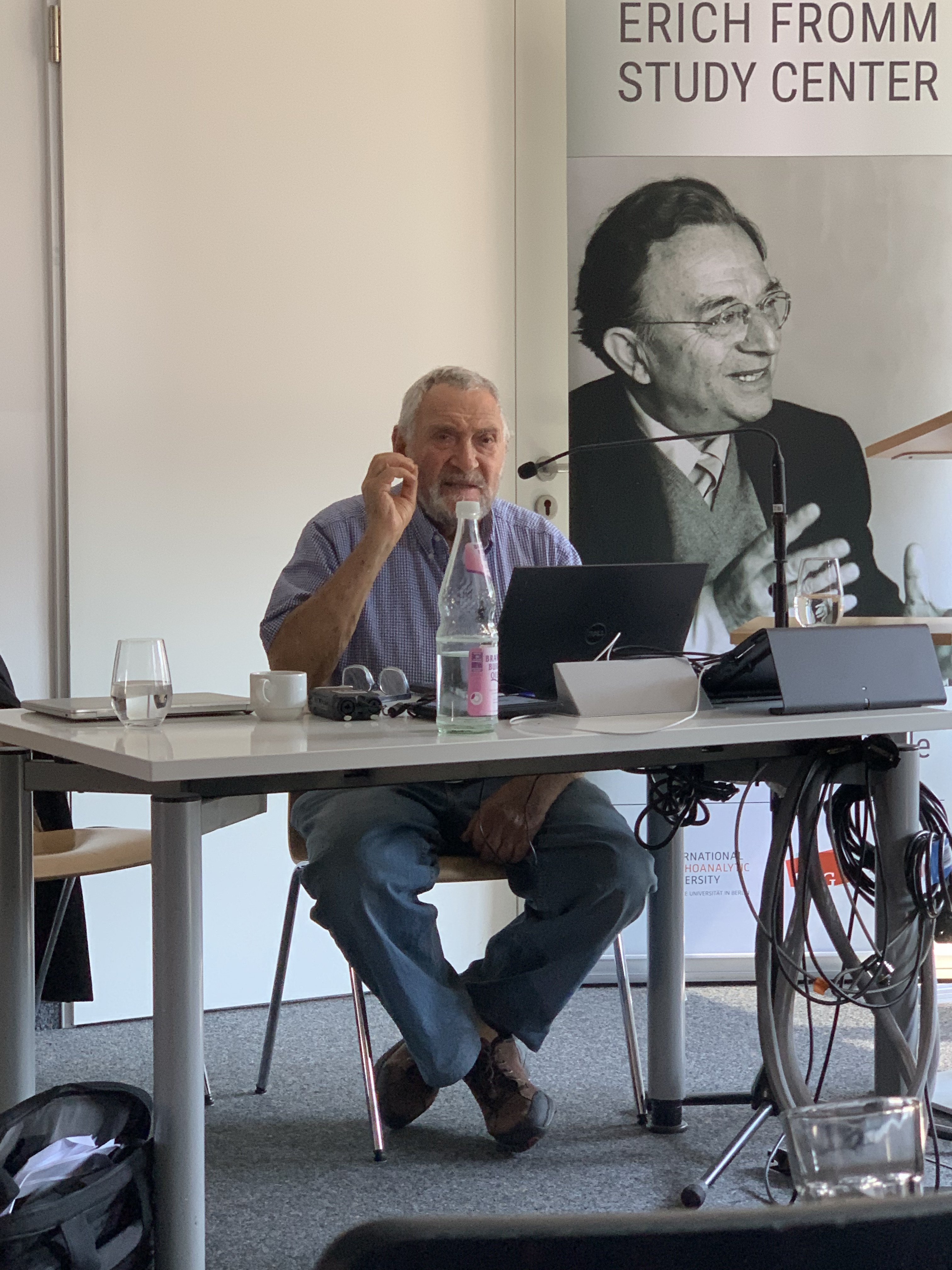
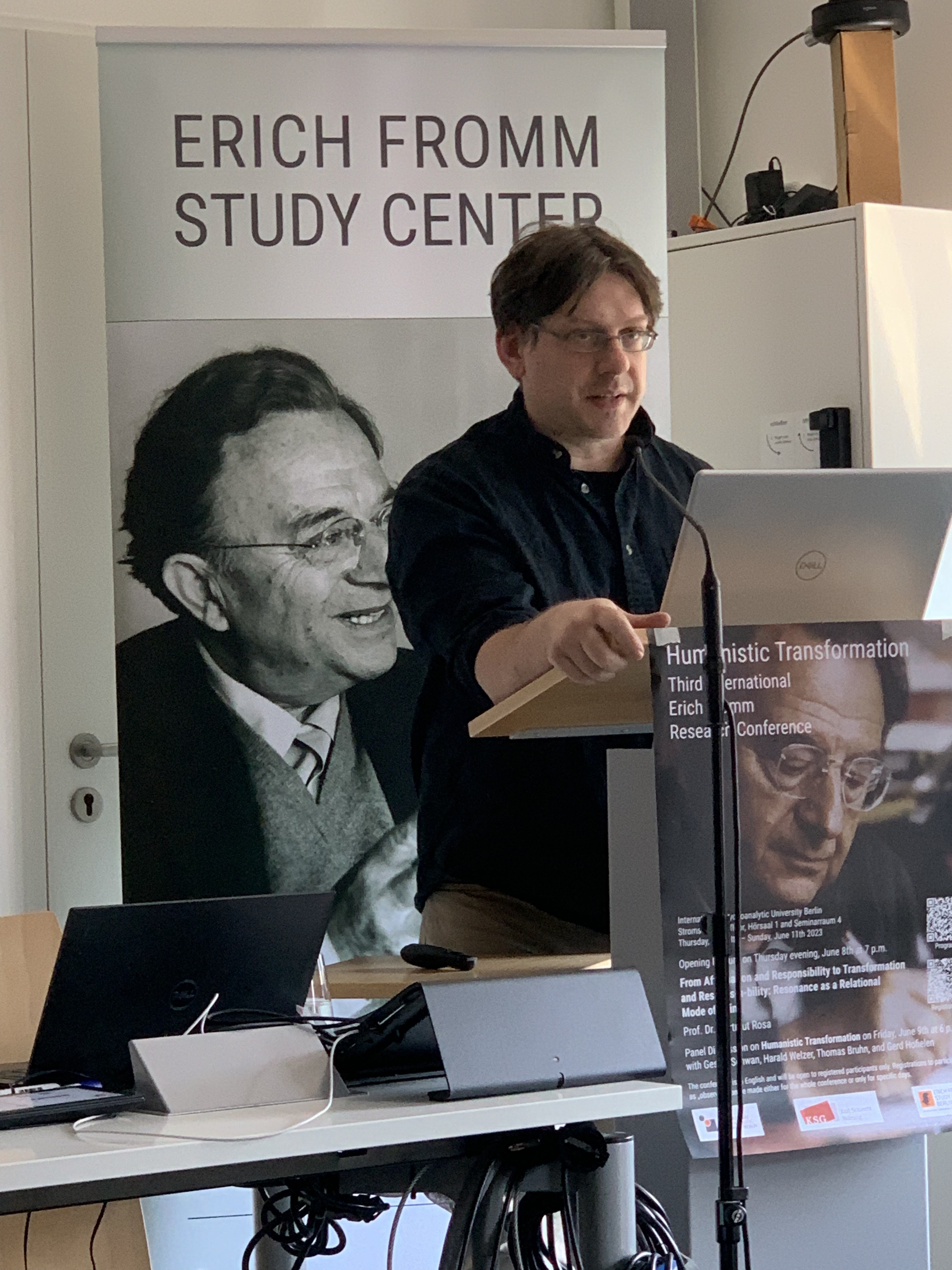
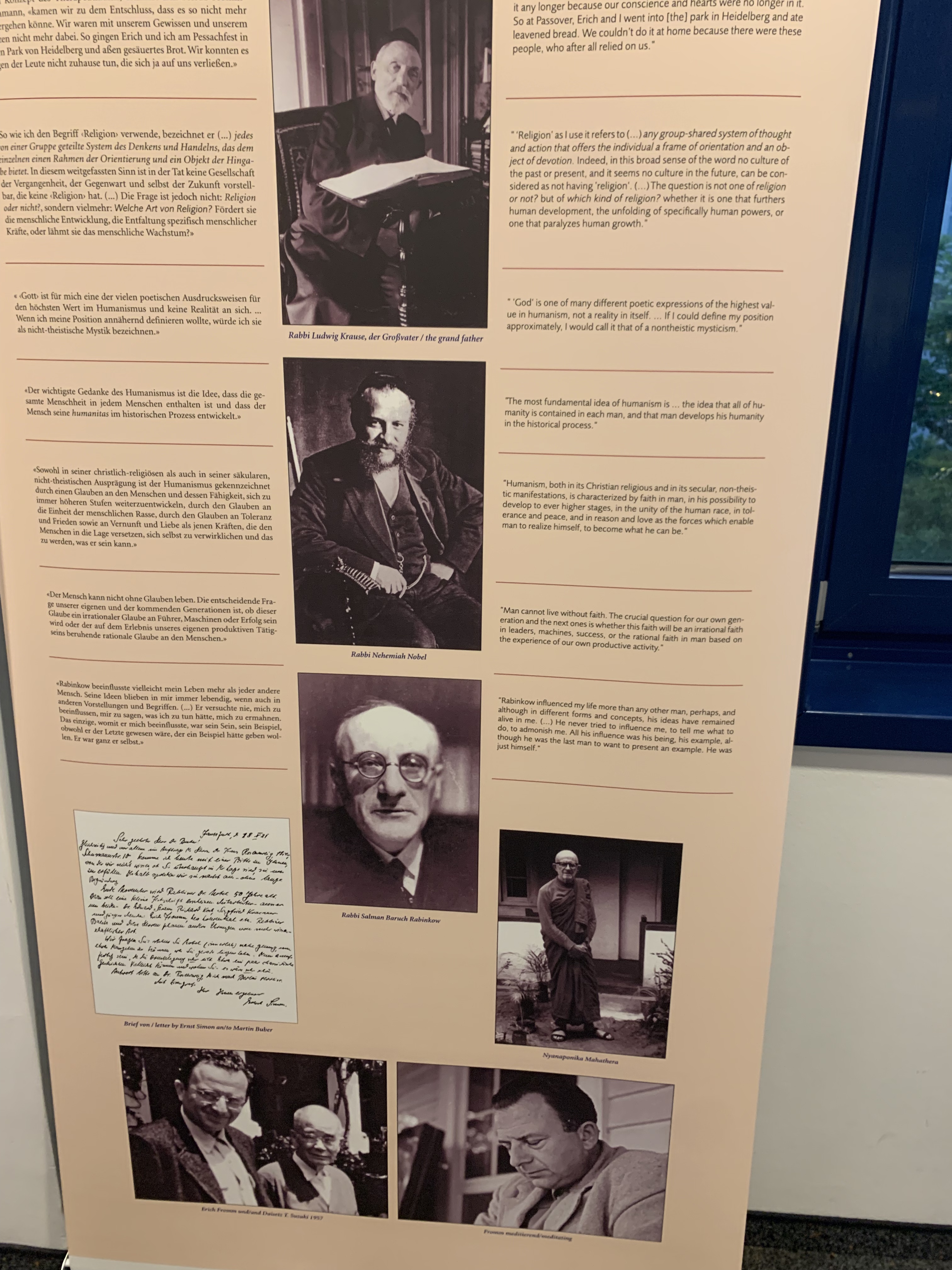
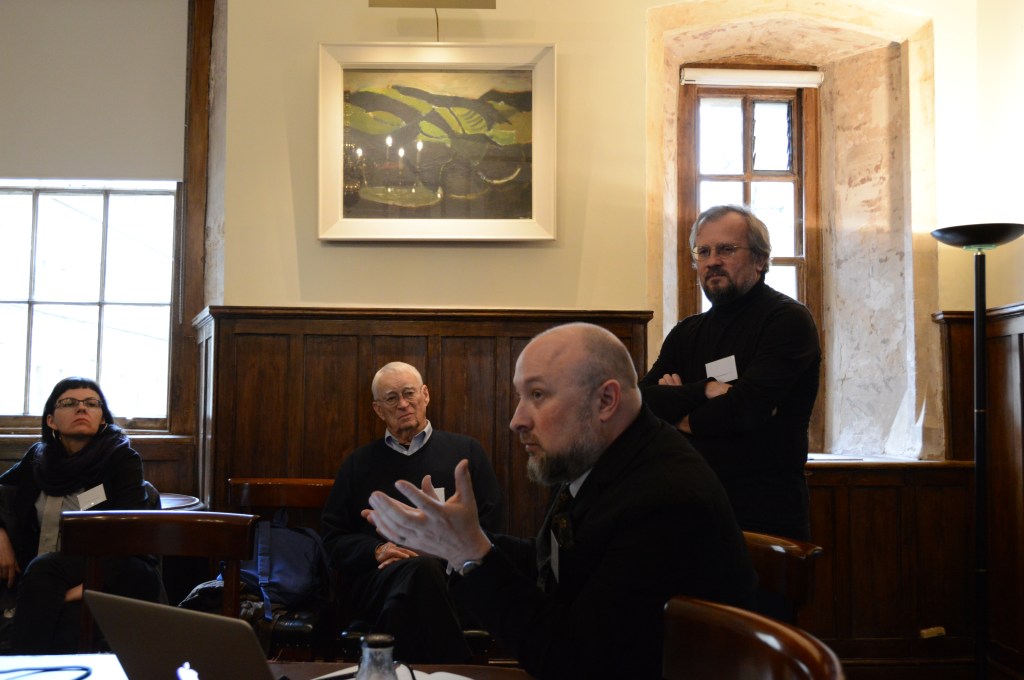
From June 8th through the 11th, I participated in the 3rd annual Erich Fromm Conference, which took place at the International Psychoanalytic University in Berlin, Germany, in the Erich Fromm Study Center, organized by Reiner Funk (seen in the picture above). Our theme this year was on the need for “Humanistic Transformation” of self and society. I presented my work on Saturday, June 10th, regarding Erich Fromm’s dialectical approach to religion, wherein he determinately negates the exterior of Judaism, Christianity, and Buddhism, while rescuing its inner-truths psychoanalytically. My session was well attended and I received some interesting questions from the audience. It is clear that Erich Fromm’s work continues to be a source for critique of capitalist modernity, as well as the once-again rising forms of rightwing authoritarianism, which itself in many ways is a reaction to democratic, capitalist, and globalized modernity. Erich Fromm’s one time assistant, Reiner Funk, presided over the conference, with the help of Thomas Kühn, Hannah Wippermann, Katrin Voigt. I was happy to see some familiar friends, Jeremiah Morelock, Joan Braune, Lauren Langman, and Michael Thompson, as well as my dear brothers and members of the Institute for Critical Social Theory, Seyed Javad Miri, Michael Naughton, and Mehdi Shariati. Seyed Javad Miri gave a master class in how to present one’s work at an international conference; he dazzled the crowd with his presentation on anxiety as a means of growth. Below are some of the pictures from the conference.
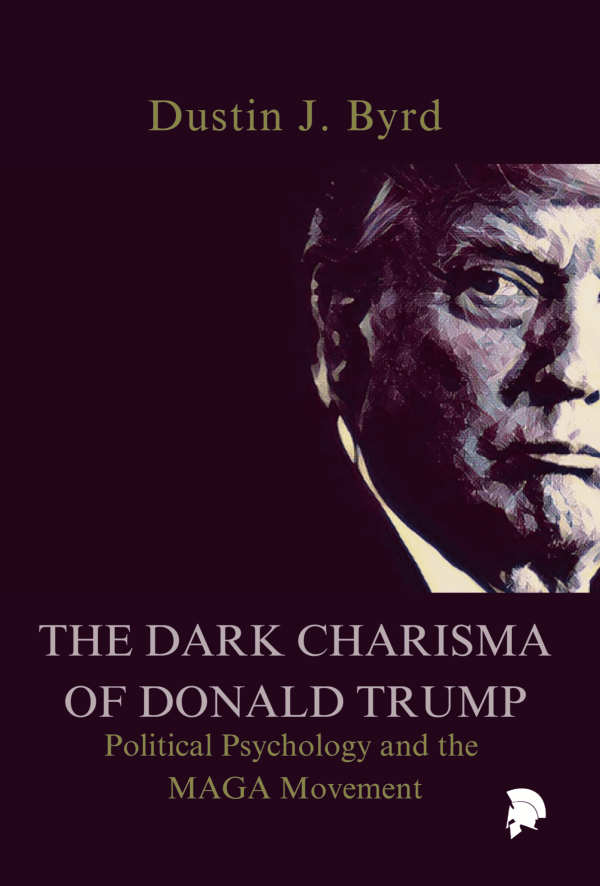
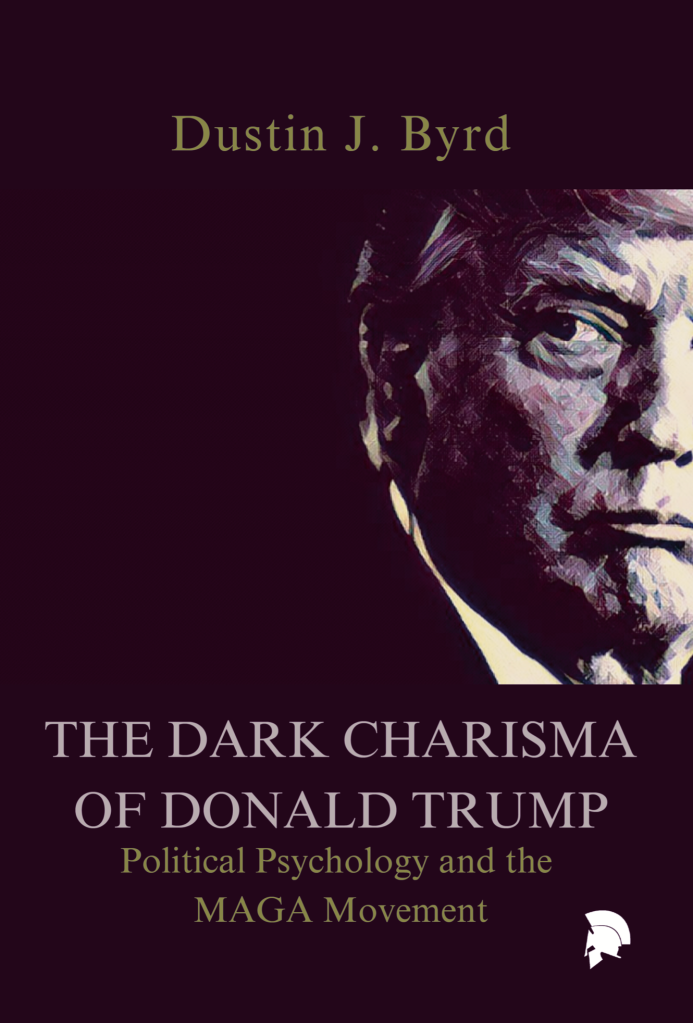
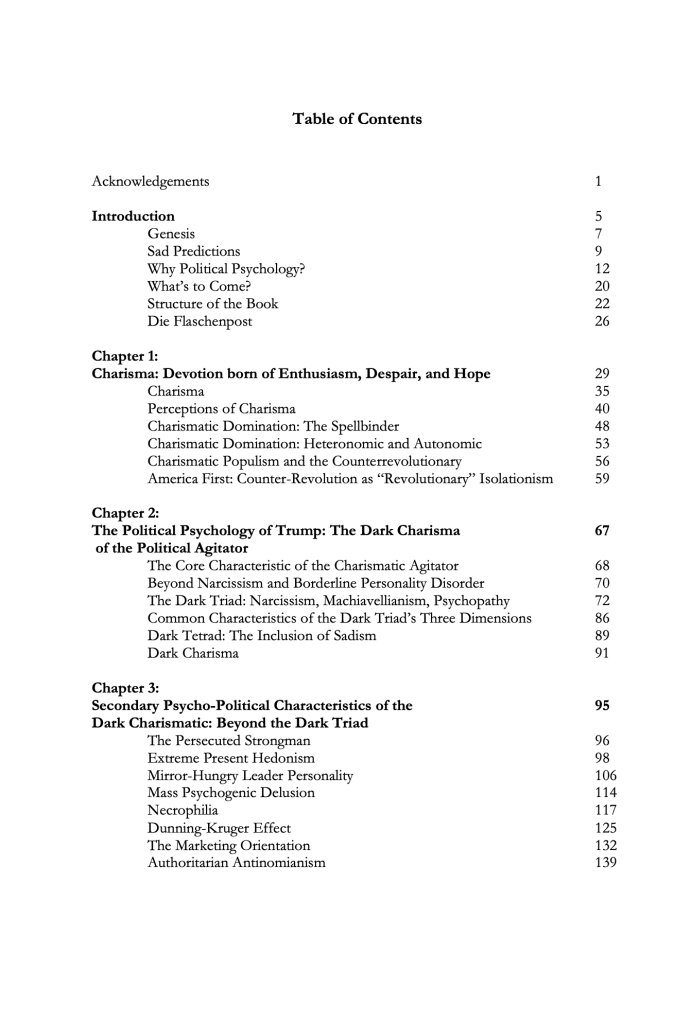
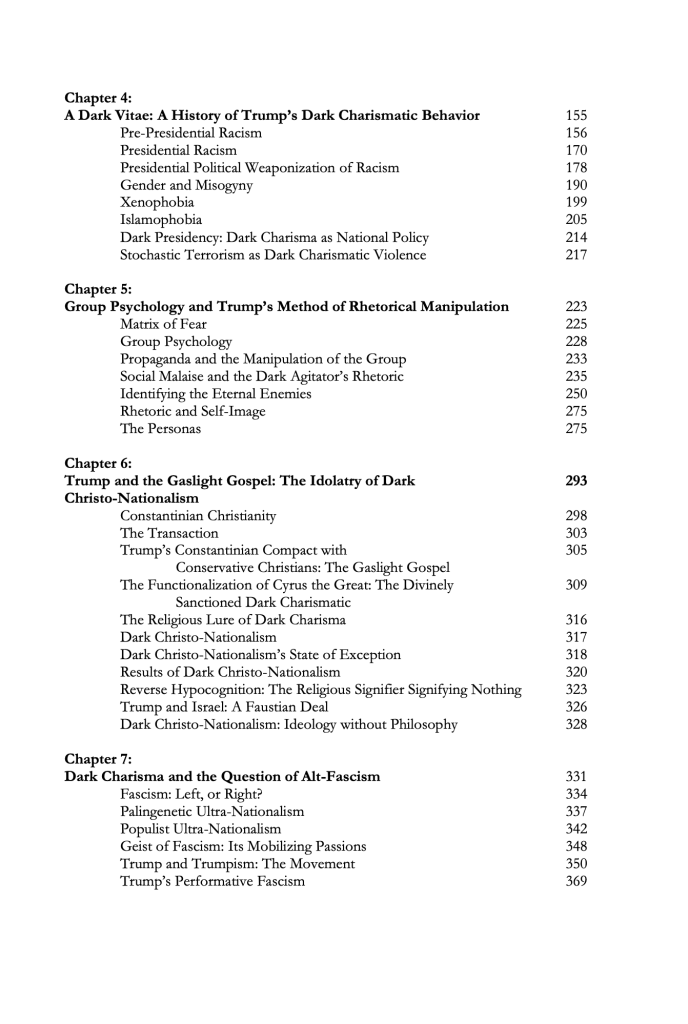
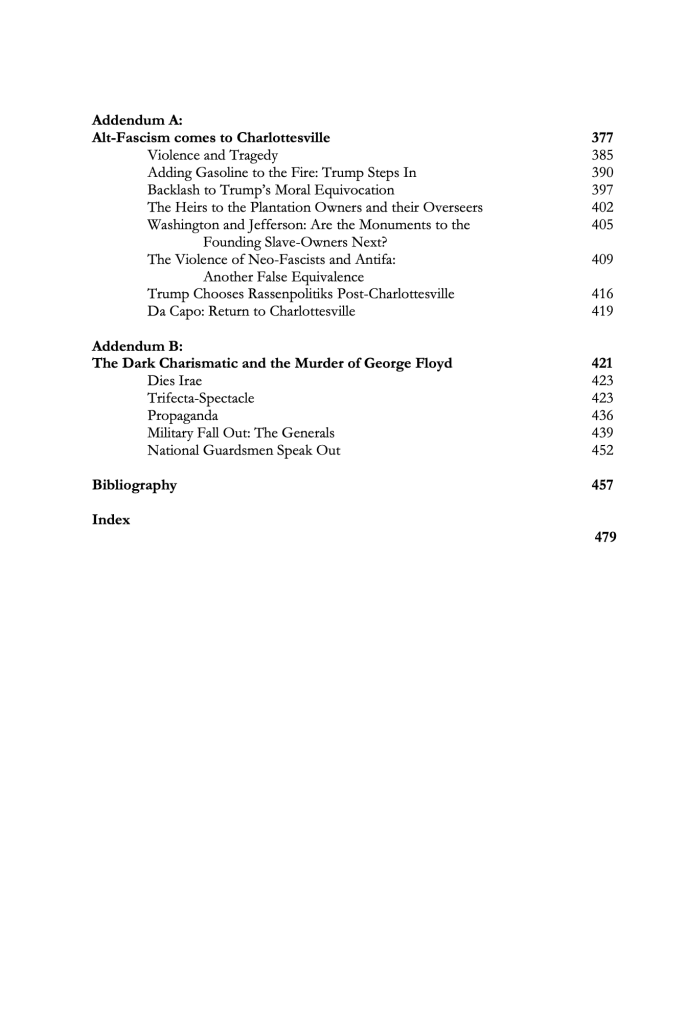
My latest monograph, “The Dark Charisma of Donald Trump: Political Psychology and the MAGA Movement,” has now been released in paperback and hardcover.
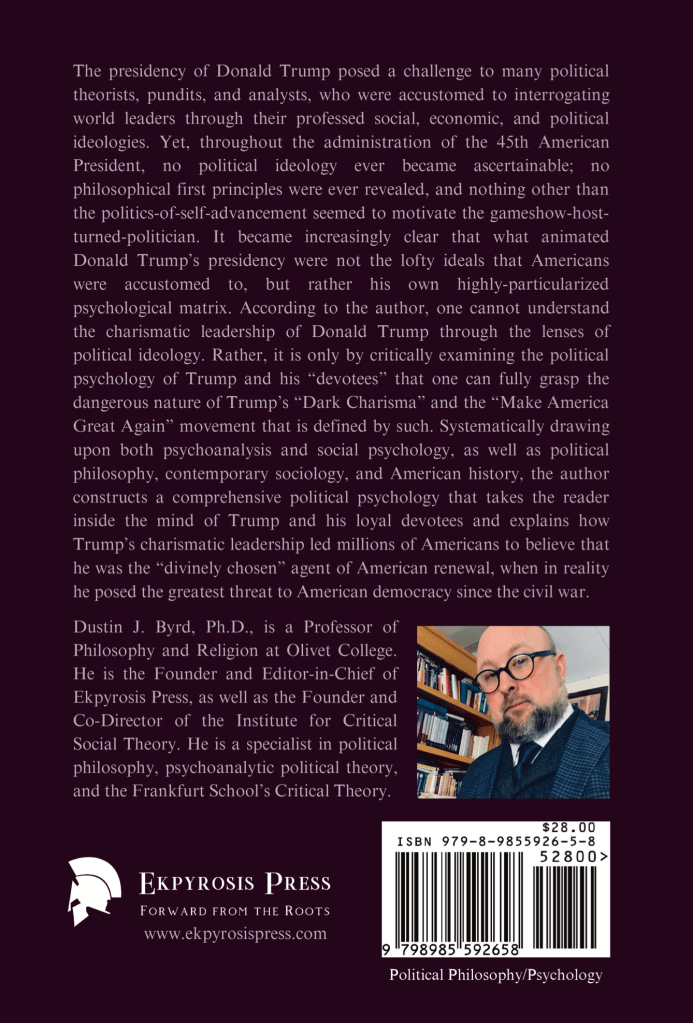
BOOK DESCRIPTION: The presidency of Donald Trump posed a challenge to many political theorists, pundits, and analysts, who were accustomed to interrogating world leaders through their professed social, economic, and political ideologies. Yet, throughout the administration of the 45th American President, no political ideology ever became ascertainable; no philosophical first principles were ever revealed, and nothing other than the politics-of-self-advancement seemed to motivate the gameshow-host-turned-politician. It became increasingly clear that what animated Donald Trump’s presidency were not the lofty ideals that Americans were accustomed to, but rather his own highly-particularized psychological matrix. According to the author, one cannot understand the charismatic leadership of Donald Trump through the lenses of political ideology. Rather, it is only by critically examining the political psychology of Trump and his “devotees” that one can fully grasp the dangerous nature of Trump’s “Dark Charisma” and the “Make America Great Again” movement that is defined by such. Systematically drawing upon both psychoanalysis and social psychology, as well as political philosophy, contemporary sociology, and American history, the author constructs a comprehensive political psychology that takes the reader inside the mind of Trump and his loyal devotees and explains how Trump’s charismatic leadership led millions of Americans to believe that he was the “divinely chosen” agent of American renewal, when in reality he posed the greatest threat to American democracy since the civil war.
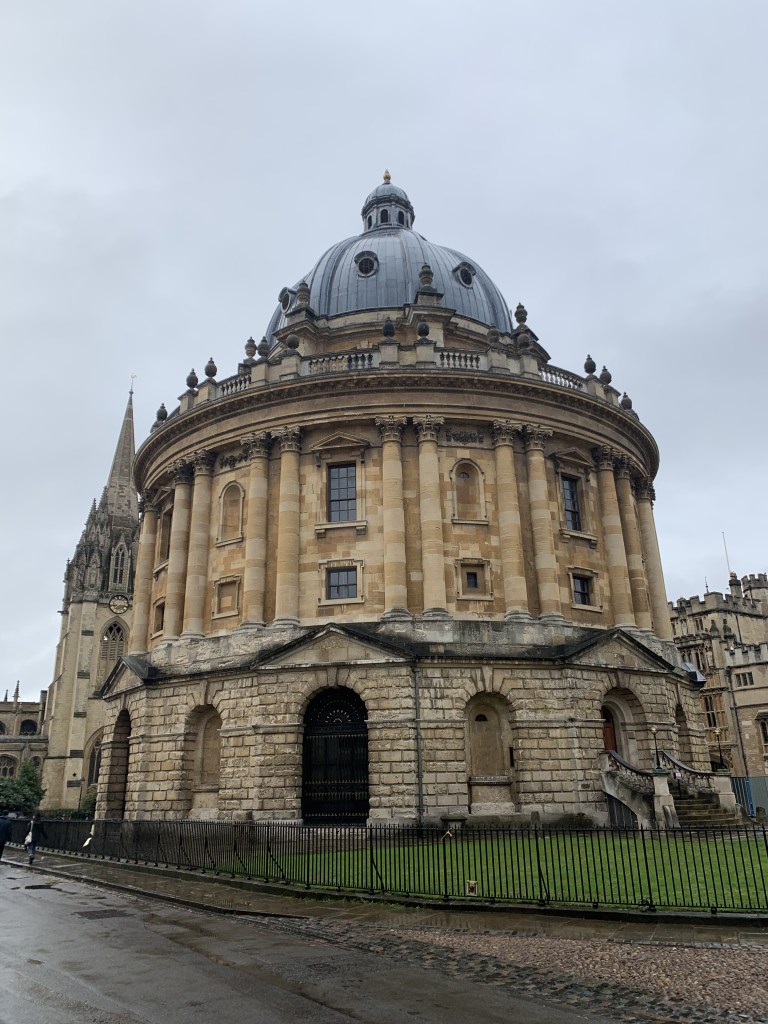
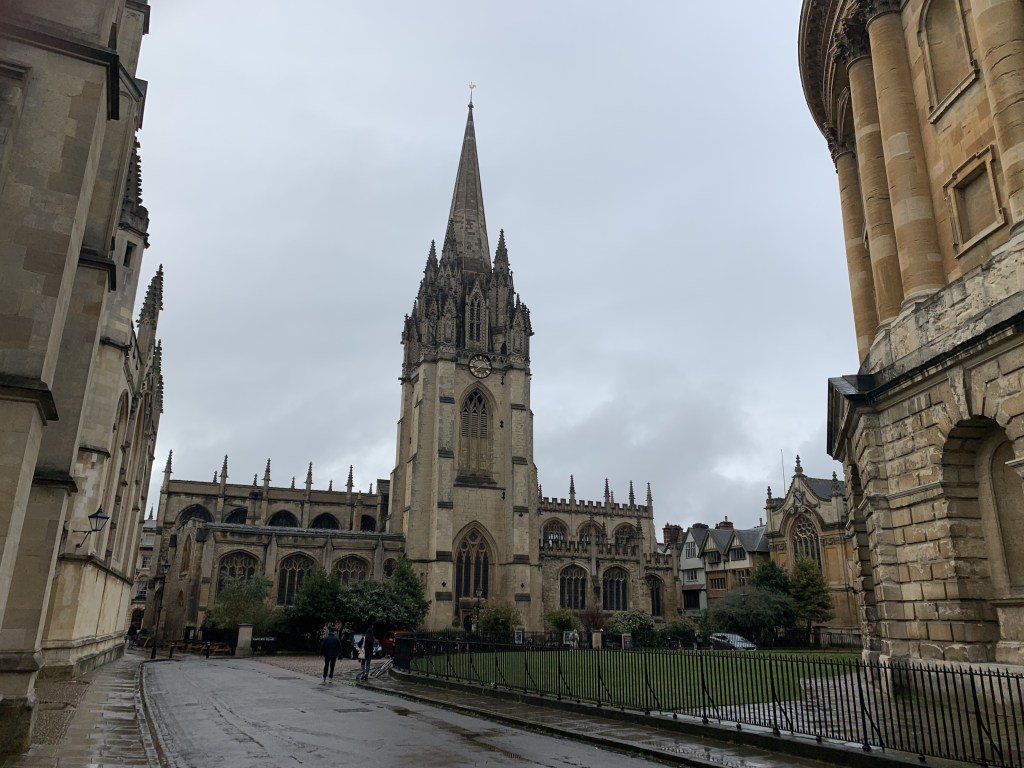
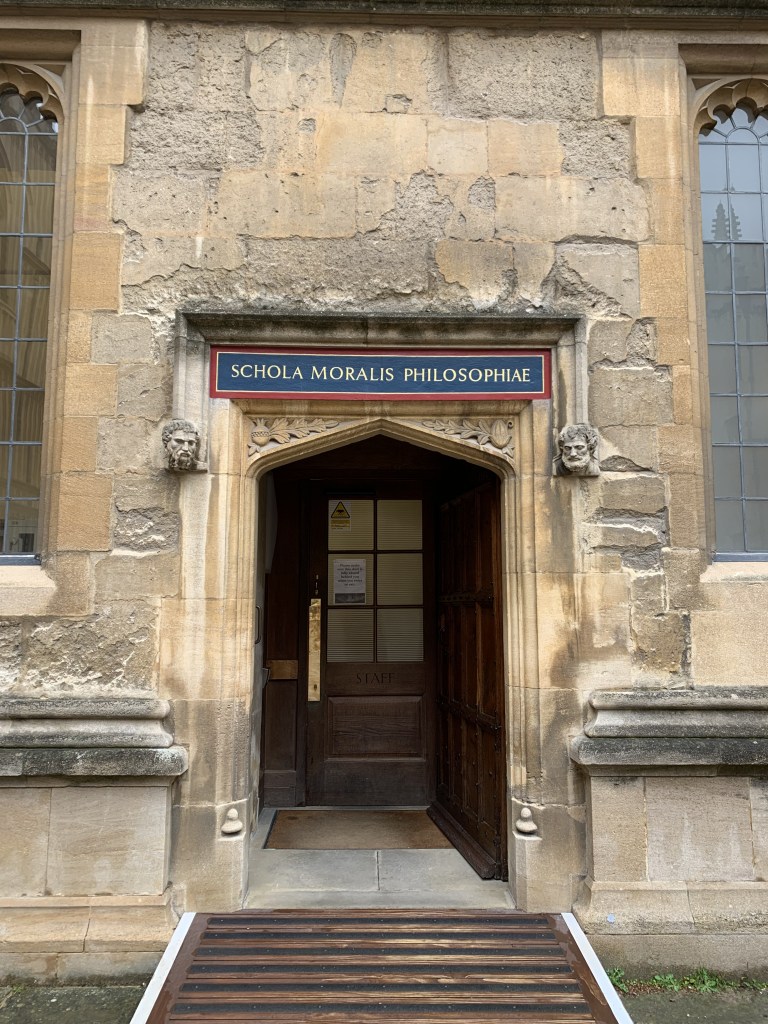
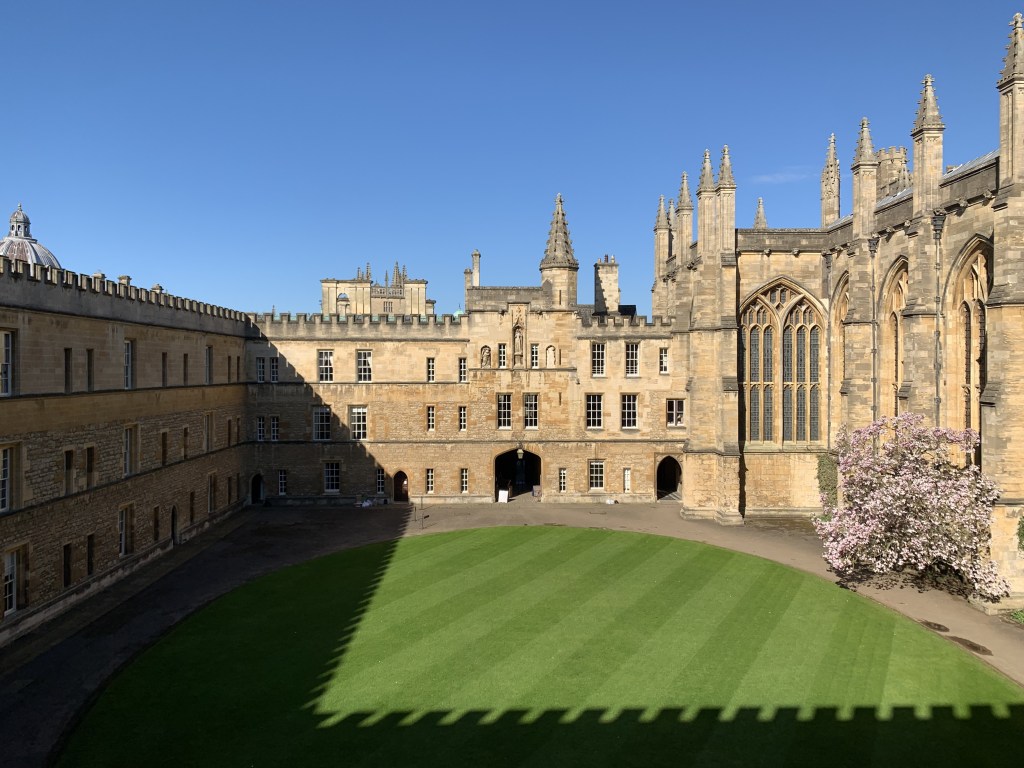
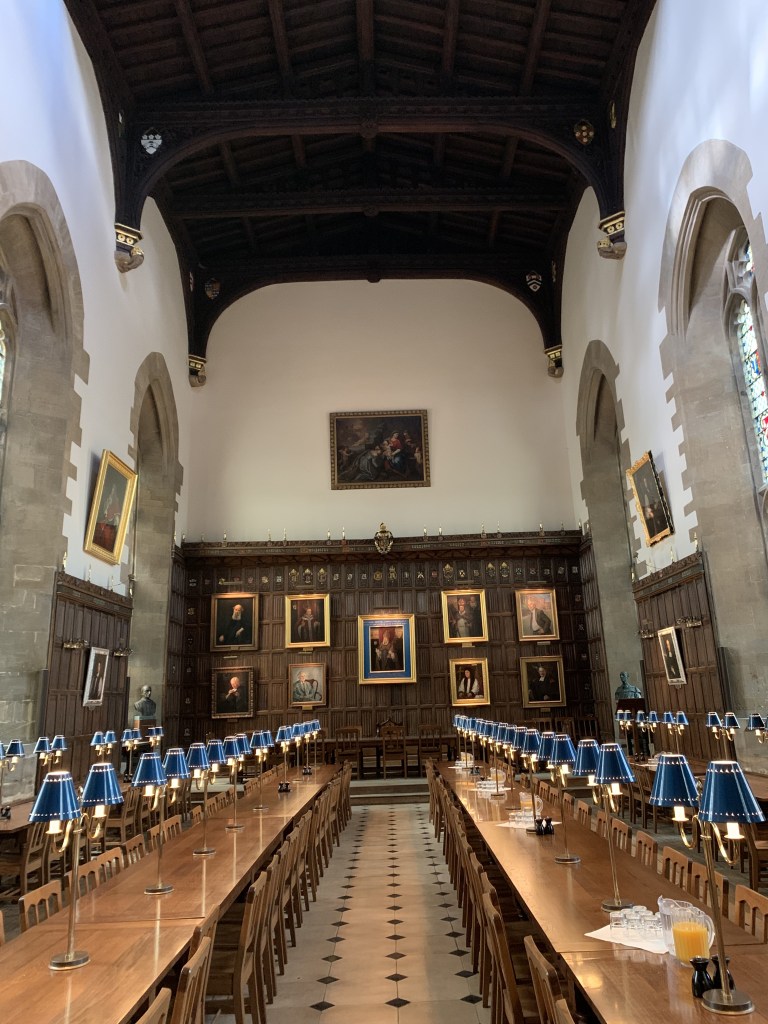
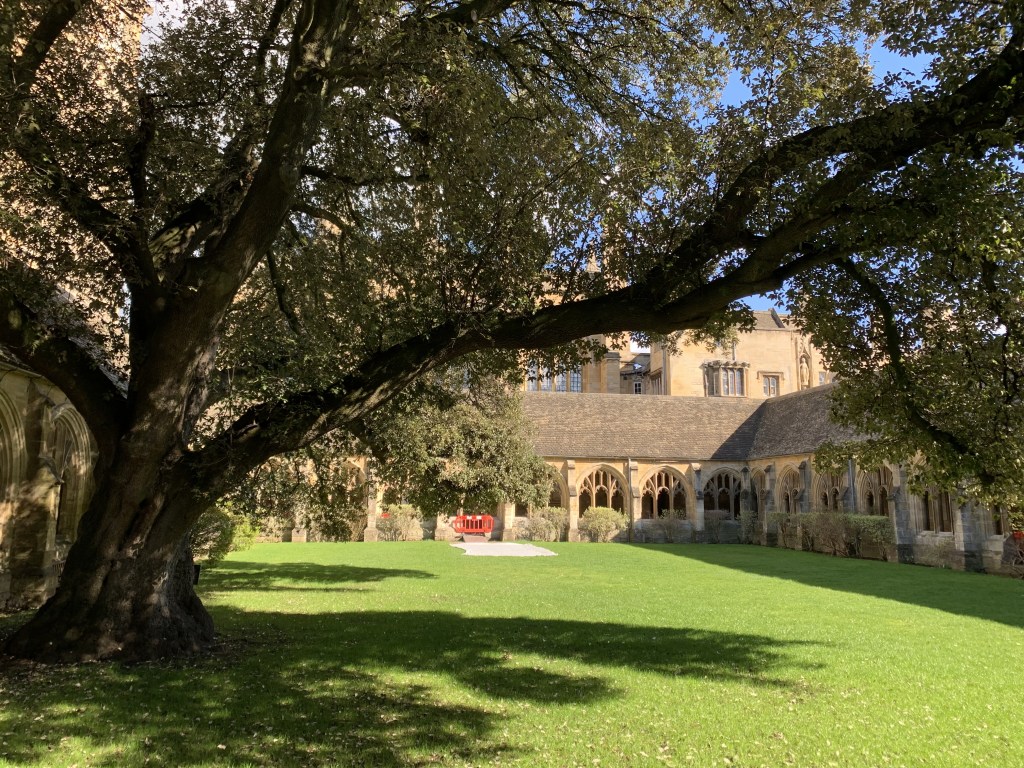
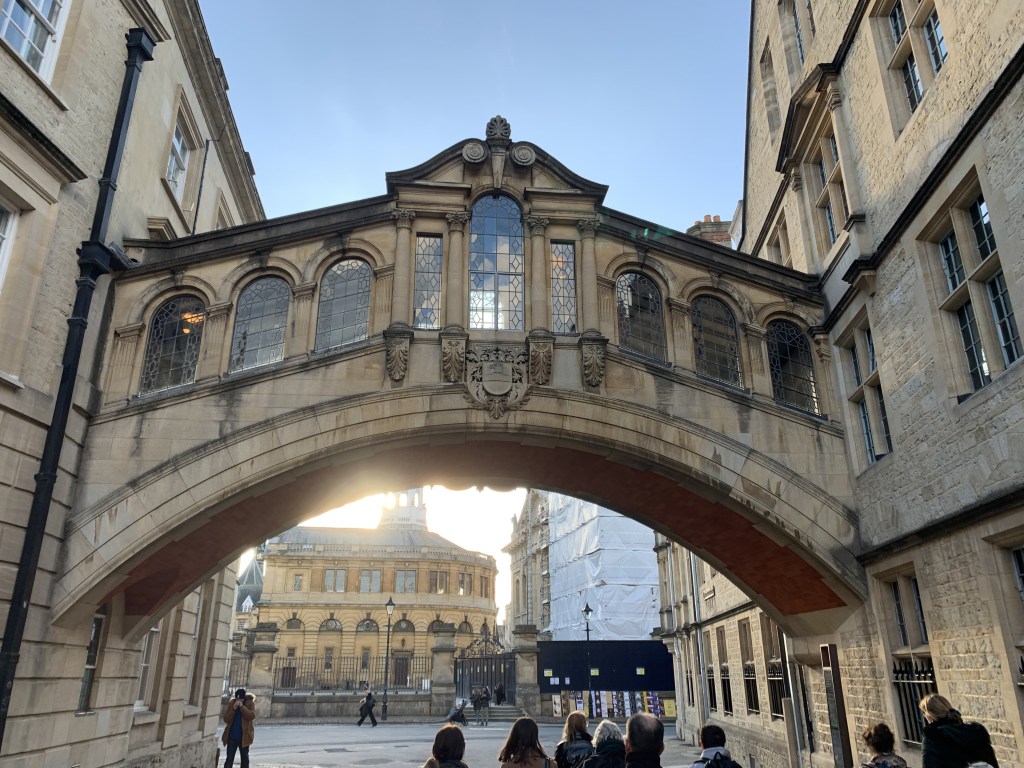
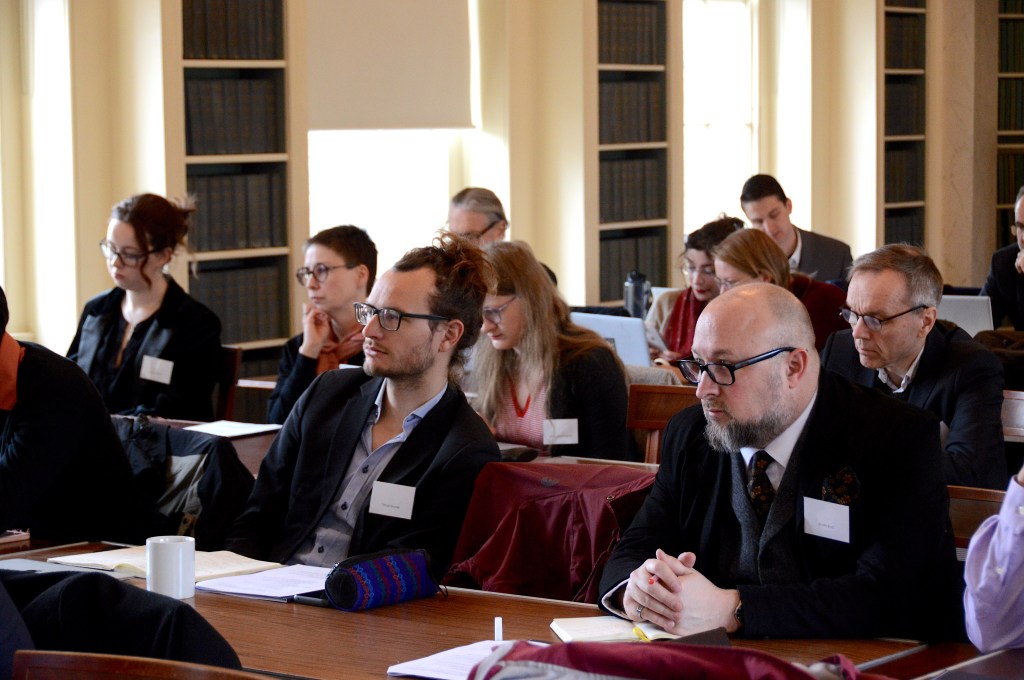
On March 28th, 2023, I had the opportunity to present my work on Russian political theology at the “Political Theologies after Christendom” conference at New College at the University of Oxford, UK. My presentation covered the development of the idea of the “Katechon,” first devised by St. Paul in his second letter to the Thessalonians, later to be politicized and “Nazified” by Carl Schmitt, only to be now invoked by the fascist Russian philosopher, Alexander Dugin. The later sees the Russian Empire, and the current Russian Federation, as the “restrainer” of the Anti-Christ, i.e., the collective West and most specifically, the United States of America. Thinking of Russia as having such a God-bearing mission transforms Russia’s genocidal war of aggression against Ukraine into a soteriological project sanctioned by God: a perverse justification for mass slaughter, rape, and child abduction.
The conference was a wonderful experience. I had the great pleasure to be in the presence of some of the most profound scholars, many of whom came from Ukraine and Russia. Our discussions were lively, well-informed, and intellectually stimulating. Thank you Marietta van der Tol and Sophia Johnson for coordinating the event and New College/Oxford for hosting us.
On March 1st, I had the opportunity to sit down with the Critical Theorist, Dr. Rudolf J. Siebert, to discuss the Frankfurt School’s attempt to rescue religion and the enlightenment through the determinate negation of religion. Unlike their immediate predecessors, including Feuerbach, Marx, Lenin, Nietzsche, and Freud, who thought religion had to be abstractly negated from society, the first generation of Critical Theorists – especially Adorno, Horkheimer, Benjamin, Fromm, Löwenthal – saw something in religion worthy of being rescued. Such semantic and semiotic elements were consequently translated into post-metaphysical language via social and political philosophy, wherein they played essential parts of Critical Theory. Check out our discussion on YouTube:
The Frankfurt School and the Dialectics of Religion – A conversation with Dr. Rudolf J. Siebert
I was happy to join my doktorvater, Dr. Rudolf J. Siebert, in an introspective discussion about Joseph Ratzinger, i.e., Pope Benedict XVI. Siebert and Ratzinger’s lives paralleled in many ways: they were born in the same year; they both grew up in the Third Reich; they both attended the Hitler Youth; they both were drafted into the Luftwaffenhelfer and later the Wehrmacht; they were both imprisoned in Prisoner-of-War camps; they both were deemed “anti-Nazis” by the Allied forces, and they both attended Catholic seminary. However, Siebert chose not to be ordained, and opted for the life of a layman in academia – primarily in the United States, whereas Ratzinger chose a life in academia within the Roman Catholic Church, and later was elected as the 265th Pontiff.

























 dustinjbyrd
 Dustin J. Byrd, Ph.D.